• Auto
  • Travel
  • Health
  • Shopping
  • Finance
  • Home & Garden
Home | Health
6 reasons to add probiotics to your food regime

6 reasons to add probiotics to your food regime

Probiotics are live microorganisms naturally present in our bodies. However, they can also be taken through certain food items or probiotic supplements. When present in sufficient amounts, probiotics can have several health benefits, such as good digestion, loss of excess body weight, a healthy immune system, and much more! Read on to find out the six most important reasons why you should add this friendly bacteria to your food regime. Maintain Healthy Digestion with Probiotics Probiotics include and foster the growth of good bacteria in your digestive system. You should consume food that contains a fair amount of probiotics. It will help keep your gut healthy by restoring the natural balance of bacteria. These friendly live microorganisms come with the benefit of putting a check on the growth of bad bacteria. Probiotics do not let the harmful bacteria overpower the good bacteria. These bacteria help reverse the effects of illnesses and certain medicines. Probiotics benefits also include treating obesity and allergies. Probiotics are not known to have any side effects. Ensure a Balance of Probiotics to Treat Diarrhea The friendly bacteria present in your digestive system are widely known for treating diarrhea. One of the primary probiotics benefits is its ability to cure and reduce the severity of diarrhea.
Read More
8 foods that help control diabetes

8 foods that help control diabetes

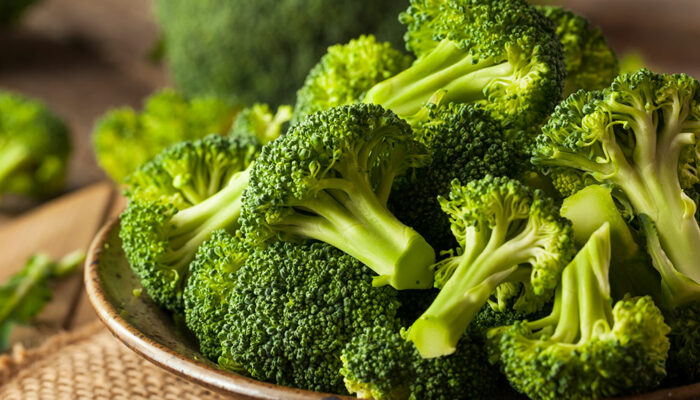
Diabetes or high blood sugar can be effectively controlled if a proper daily diet is followed. Paying attention to food habits will not only keep a control on the blood sugar but also develop overall healthy weight. A balanced diet is often suggested by dieticians but not many understand the need for the same. If a person is suffering from diabetes, one thought tends to constantly remain in our mind and that is how to control blood sugar. Here are 10 best food items that are popular, easily available, and perfect for controlling blood sugar. Take a look! Vegetables are perfect for controlling blood sugar We all know that vegetables are an important part of everyday meals and diet plan. Including vegetables in the meal helps to keep us fit and healthy. Not only does eating vegetables healthy for a maintained body weight but also for controlling high blood sugar. It is advisable to include all kinds of vegetables in your diet but ensure to choose vegetables that are low in carbohydrates. You can try having mushrooms, tomatoes, sprouts, and onions, to name a few. Try adding more flavor to your meal by seasoning the vegetables well. Broccoli for a healthy heart Often recommended by doctors for people suffering from high blood sugar, broccoli is considered one of the best food items when one is looking to control blood sugar.
Read More
Best foods for Parkinson’s symptom management

Best foods for Parkinson’s symptom management

Parkinson’s is a disease that affects a person’s ability to control their movements as it progresses. This is because the disease affects the nervous system that is responsible for relaying brain signals to the rest of the body. It usually starts with light tremors and can progress to muscle stiffness and mobility issues. Treatment plans include medications coupled with changes in food habits and lifestyles. Read on to know more. Foods rich in antioxidants Oxidative stress is one of the main triggers of neuron degeneration among Parkinson’s patients. Many foods are rich in antioxidants that help combat oxidative stress and prevent free radicals from damaging healthy cells. Spinach and kale are nutritious antioxidant-rich veggies to include that you can be included in one’s food regime. Fresh grapes, pomegranates, blueberries, cranberries, blackberries, goji berries, and elderberries actively combat oxidative stress. Studies show that plant-based foods like tomatoes, peppers, and eggplant pack the highest amount of nutrition. One can add a few assorted nuts and seeds to the mix, featuring walnuts, pecans, Brazil nuts, and pistachios to balance the flavor palate. Foods rich in omega 3 fatty acids Healthy fats have been known to slow down the progression of chronic illnesses such as Parkinson’s.
Read More
Foods to eat and avoid to relieve constipation

Foods to eat and avoid to relieve constipation

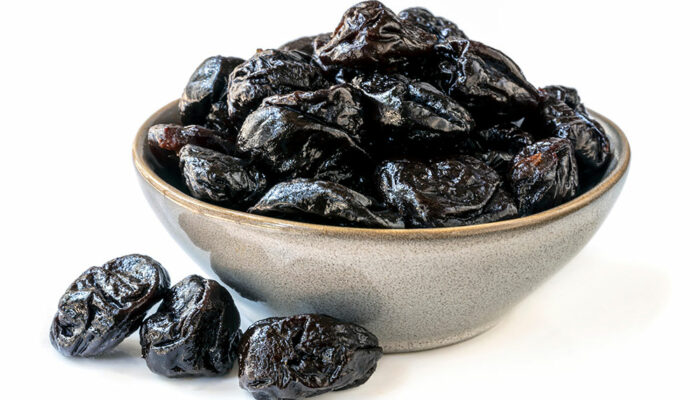
Constipation is characterized by a difficulty in passing stools and decreased frequency of bowel movements. The causes of this digestive disorder include eating low-soluble fiber meals, being dehydrated, and living a sedentary lifestyle. It is one of the most common gastrointestinal problems faced in the country, affecting close to 2.5 million people. That being said, most mild cases of constipation can be controlled by following a healthy lifestyle and by eating and avoiding certain foods. Here is a list of common foods to eat and avoid during constipation: Foods to eat Prunes Prunes are an ideal choice when it comes to tackling constipation at home. They are packed with fiber, which helps ease as well as speed up bowel movements. Studies have indicated that prunes increase the frequency of bowel movements and improve the consistency of the stool. Apples Apples are one of the best foods to eat for constipation. That’s because they are full of fiber, especially insoluble fiber. Eating apples can increase water content in the colon, soften the stool, and accelerate stool movement through the intestines. For maximum constipation relief, it is advisable to eat raw and whole apples. Oats Oats are a type of whole grain packed with soluble fiber.
Read More
Foods to have and avoid to improve bladder control

Foods to have and avoid to improve bladder control

People suffering from urinary incontinence or overactive bladder syndrome experience sudden and frequent urges to urinate. If their condition is advanced, they may also experience some leakage at times, which can largely interfere with their daily activities. However, certain foods can be added and avoided in their everyday meals to minimize or ease the symptoms of bladder-related disorders. The following are some foods to add and avoid in one’s meal plans. Foods to eat: Whole grains Whole grains such as quinoa, rice, and oats are rich in fibers that help in controlling an overactive bladder. Fiber-rich foods, such as brown bread, wheat pasta, cereal, or even brown rice, are beneficial for the urinary bladder and gut health. Some people who suffer from constipation, in addition to an overactive bladder, must increase their fiber intake. Lean proteins Having foods that are rich in lean protein strengthens the muscles that line the urinary bladder and thus, also helps with bladder control over it. Moreover, these foods are rich in fiber content, which is beneficial for bladder health. These foods may include meats like low-fat beef, pork, chicken, turkey, fish, or eggs. There are also plant-based sources of protein such as beans, soy, and oats that can be added to meals.
Read More
A handy guide on asthma-friendly changes in food habits

A handy guide on asthma-friendly changes in food habits

Asthma is a common respiratory disease that affects the lungs of a person and causes inflammation of the airways. Constricted airways can lead to breathing difficulties. Severe inflammation can even affect a person’s ability to perform the most basic tasks due to shortness of breath. Asthma is a chronic condition with no complete cure. So at best, its symptoms can be managed with medications and changes in one’s eating habits. Herbs and spices Ginger can help relieve several asthma symptoms when used regularly. Ginger root is one of the many versatile ingredients that can be incorporated into daily foods or can be used as a potent remedy in juices to provide relief from congestion and irritation. Turmeric is another potent spice rich in curcumin. It has been used as a remedy for countering the effects of inflammation for centuries in alternative and herbal medicine. Fortified sources of vitamin D Salmon, tuna, mackerel, fortified milk and milk products, fortified orange juice, and eggs are loaded with vitamin D, one of the most effective nutrients for better asthma symptoms management. Vitamin D helps reduce the number of asthma attacks, especially among small children, and counters airway inflammation. Further, salmon is also rich in omega 3 fatty acids that decrease the effect of inflammation on the airways.
Read More
5 best foods for relieving migraine headaches

5 best foods for relieving migraine headaches

Migraines is one of the most prevalent illness in the world. It is triggered by several factors like weather, noise, smell, bright lights, and stress. People who suffer from this condition often rely on medications for relief. Although there are various of medicines available for numbing the pain, several of them come with unwanted side effects. Here’s some info on foods that will help in getting relief from migraine attacks. Bananas An easy way to prevent migraines or an episode of hypoglycemia is having high-carb foods like bananas, granola bars, or candy. According to experts, bananas are a great fruit for quick recovery as they are rich sources of magnesium that helps relieve headaches. Bananas are also good for hydration as they contain about 74 percent water. Watermelon Having a juicy slice of watermelon provides instant hydration as it contains 92 percent water. According to the American Migraine Foundation, one in three people state that dehydration is a migraine trigger for them. Adding a few cubes of watermelon in your salads will help in relieving a migraine headache. Seeds and nuts One of the most common causes of cluster or persistent headaches is low magnesium levels in the body. The severity of migraines can be reduced by including magnesium-rich food in your daily meals.
Read More
Foods to eat and home remedies to manage the flu

Foods to eat and home remedies to manage the flu

Influenza, or the flu, is a contagious respiratory condition that attacks the respiratory system, such as the nose, lungs, and throat. It may lead to symptoms like fatigue, chills, body aches, fever, and nasal congestion. The illness may range from mild to severe. Fortunately, symptoms can be brought under control by over-the-counter medications. If the condition is not as severe, home remedies and eating certain foods can help alleviate the symptoms of the flu. Foods to manage symptoms of the flu Chicken soup Chicken soup is one of the best foods to eat to manage the flu. The broth helps prevent dehydration, while its warm composition relieves congestion and a sore throat. Likewise, the chicken chunks, rich in iron and proteins, help boost the immune system. Yogurt Research shows that yogurt helps ease a sore throat and even boosts the immune system. It is a rich source of protein and probiotics that help fight off the flu. However, it is essential to avoid purchasing yogurt that has added sugar. Instead, choose unsweetened Greek yogurt. Leafy greens Green leafy vegetables are known to provide several health benefits to the human body. Leafy greens like kale, spinach, cabbage, and beet green contain vitamin C and E and iron.
Read More
Macular degeneration – Early symptoms and foods that may help prevent it

Macular degeneration – Early symptoms and foods that may help prevent it

Macular degeneration is a condition in which the center of the eye, also known as the macula, undergoes certain changes that lead to loss of vision. Since this condition is observed as a result of aging, it is also called age-related macular degeneration or AMD. This condition, if not managed properly, can lead to complete loss of vision and is one of the biggest causes of blindness in people over 55 years of age. Early warning signs There are some early warning signs that the elderly must look out for when suspecting macular degeneration. Some of them are as follows: Distortion and blurred vision If the vision starts to blur with age and one notices distortion or wavy lines in the field of vision, it is quite possible that one may be in the early stages of AMD. Those who are over 50 years of age should not ignore such blurred vision since they are more vulnerable to macular degeneration. Dark spots in central vision Generally, the central part of one’s field of vision ought to be the clearest with no blurriness or distortion. If one begins to notice shadows, white spots, or dark spots in this part, it is highly possible that one is suffering from AMD.
Read More
Cancer prevention and management – Foods to eat and avoid

Cancer prevention and management – Foods to eat and avoid

The development of certain conditions like ovarian, blood, lung, prostate, or breast cancer has been linked to the food we eat. While that is not the only cause, and no particular food treats cancer completely, making healthy food choices can drastically reduce the risk of developing cancer. This article provides some details on foods to eat and avoid along with information on (CAR) T-cell therapy to manage various types of cancers. Foods to avoid Red meat Red meat is typically preserved by curing, smoking, salting, or canning. Foods like hot dogs, salami, sausage, ham, and beef jerky are known to create carcinogens that are associated with colorectal and stomach cancer. It is recommended to replace processed meats with white fish, chicken, or turkey. Alcohol Alcohol, classified as a group 1 carcinogen, is linked with mouth, throat, esophagus, breast, liver, stomach, and bowel cancer. The risk of cancer varies significantly on the amount and frequency of drinking alcohol. A glass of wine now and then does not have much of a negative effect; however, frequent binge-drinking episodes can increase one’s risk of being diagnosed with cancer. Refined carbs and sugar Eating excessive refined carbs and sugar increases visceral fat and makes one susceptible to type 2 diabetes.
Read More
Showing 141-150 of 379 results

Prev 1314151617Next

FEATURED Articles

Stay at the top of your health game with these 4 tips

Stay at the top of your health game with these 4 tips

7 facts everyone must know about gout

7 facts everyone must know about gout

Top 4 reasons for unnatural hair loss patterns

Top 4 reasons for unnatural hair loss patterns

Learn about these 3 types of hearing loss

Learn about these 3 types of hearing loss

Simple lifestyle changes that reduce the risk of heart diseases

Simple lifestyle changes that reduce the risk of heart diseases

How to distinguish between heartburn and GERD

How to distinguish between heartburn and GERD

Most Popular

5 common joint conditions and how to treat them

5 common joint conditions and how to treat them

A joint or articulation is made from two bones that aid the body in movement. There are many forms of joint conditions, which, in many cases, arise from the wear and tear of bones. Arthritis is one of the major and most common health conditions in the country, and its intensity increases with age. Here are some common types of joint conditions that you need to know: Osteoarthritis With almost 10 percent of men and 13 percent of women aged over 60 suffering from osteoarthritis, it is one of the most prevalent joint conditions in the country. Osteoarthritis occurs due to the wear and tear of the cartilages that protect the ends of bones. It commonly affects joints of the spine, hands, hips, and knees. If left untreated, this wear and tear of the cartilage soon leads to bone degeneration, thereby affecting flexibility and range of movement. Treatment for osteoarthritis depends on its severity and the patient’s age. Mild symptoms can be treated through medications, physiotherapy, and changes in lifestyle, whereas moderate to severe cases may require surgical intervention. Spondyloarthritis Spondyloarthritis, also referred to as spondyloarthropathy, is a type of rheumatic disease that causes inflammation in various joints. There are two types of spondyloarthritis—axial spondyloarthritis, which causes inflammation of the joints in the chest, spine, and hip bone, and peripheral spondyloarthritis, which causes inflammation in the fingers, knees, and toes.
Tips to help you strengthen your immune system

Tips to help you strengthen your immune system

Natural selection has transformed the way in which the human immune system works. While some human genes have evolved to become immune to certain diseases, others have not. This leaves a whole lot of people prone to certain diseases and disorders. That said, there are ways to boost the immune system, improve one’s diet, and lead a healthier lifestyle. Here are a few simple steps that you can take to strengthen the immune system: Ensure adequate sleep There are quite a few studies that prove the relationship between adequate sleep and the strength of the immune system. As an adult, you should ensure that you get seven to eight hours of sleep every night. A teenager should get eight to ten hours of sleep, whereas a young child should get at least 14 hours of sleep on a daily basis. If you have disturbed or no sleep, then you can improve your sleep cycle with these quick tips: Try sleeping in a room that is completely dark Get to bed at the same time every night. This will help regulate your sleep pattern Avoid using electronics that emit blue light before bed Maintain a diet of fruits and vegetables Fruits, vegetables, and whole grains contain essential minerals, fiber, vitamins, and antioxidants.
  • About Us
  • Contact Us
  • Privacy Policy

© 2025 ArticleHood.com. All Rights Reserved.

e