• Auto
  • Travel
  • Health
  • Shopping
  • Finance
  • Home & Garden
Home | Health
6 foods that can reduce the risk of cancer

6 foods that can reduce the risk of cancer

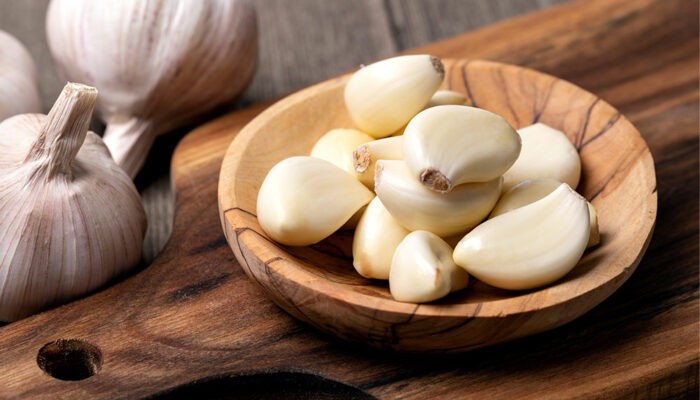
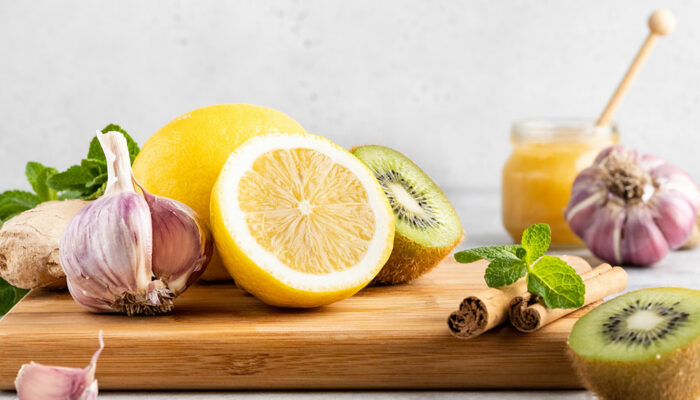
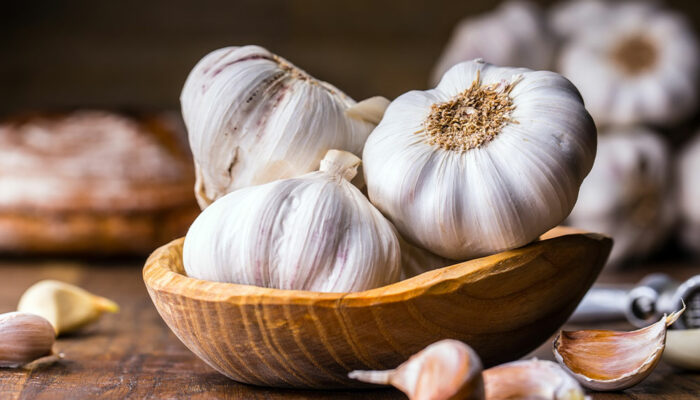
There are many types of cancers. Researchers are still trying to find the exact causes behind this condition. However, a number of studies have indicated that a person’s food choices can increase or decrease their risk of developing cancer. Fortunately, certain foods are known to be full of nutrients that can lower the chances of cancer in most people. Below is a list of foods that can reduce the risk of cancer. Garlic Garlic contains an active compound known as allicin, which is known to have anti-cancer properties. One study indicated that people who ate allicin-containing vegetables had a lower risk of stomach cancer. Try to include two to five grams (or one clove) of garlic in your meals daily to reduce cancer risk. Broccoli Broccoli contains sulforaphane. This is a plant compound that may have strong anti-cancer properties. Some studies also show that consuming broccoli can lower the risk of certain cancers such as colorectal. Berries These tiny fruits are loaded with antioxidants that can prevent various types of cancer, including colorectal and esophageal. Some excellent berries to eat include goji berries, raspberries, strawberries, and blackberries. Turmeric This yellow spice contains an active ingredient called curcumin. Curcumin may inhibit some kinds of cancer cells and even slow the spread of cancer or shrink tumors.
Read More

Foods to help manage ankylosing spondylitis

Foods to help manage ankylosing spondylitis

Ankylosing spondylitis is an inflammatory condition and type of arthritis that primarily affects the spine. Though no specific food has been found to cure the disease, studies suggest that eating anti-inflammatory foods can decrease inflammation, making living with the disease easier. Here is a list of the best anti-inflammatory foods for ankylosing spondylitis and a few medications, including RINVOQ®. But before that, you need to know the initial signs and symptoms of the disease. Early signs and symptoms Pain and stiffness in the lower back and hips, especially in the morning or after rest, are among the most common early signs of ankylosing spondylitis. Other signs and symptoms can include neck pain, fatigue, ligament and tendon pain, night sweats, mild fever, and appetite loss. Best foods for ankylosing spondylitis Load up on these foods to manage the disease. Omega-3-rich foods Omega-3s are healthy fats that can help fight inflammation, including those associated with ankylosing spondylitis. The best sources of omega-3s are salmon, sardines, tuna, walnuts, flax seeds, and chia seeds. Berries Berries, such as strawberries, raspberries, blueberries, and blackberries, are a storehouse of powerful antioxidants, especially anthocyanins. These compounds can lower inflammation and fight free radical damage in the body, potentially improving ankylosing spondylitis symptoms.
Read More
Food options that help manage diabetes

Food options that help manage diabetes

Diabetes is one of the most common and chronic conditions diagnosed in the country. Individuals may either have Type 1 or Type 2 diabetes, with the latter being more prevalent. The condition mainly affects the body’s ability to convert food into energy. Thus, it is vital to monitor one’s food intake and make healthy changes to manage blood sugar levels. The following options can help avoid insulin spikes, resulting in a healthier lifestyle. Fresh greens and vegetables Greens like broccoli and Brussel sprouts contain isothiocyanate compounds that help promote better insulin sensitivity. Okra contains certain compounds and enzymes like polysaccharides and flavonoid antioxidants that help bring down blood sugar. Kale is another superfood that is rich in fibers and flavonoids antioxidants that promote antidiabetic properties. Sweet potatoes and yams are also an excellent substitute for starchy veggies like potatoes to manage insulin production well. Fresh fruits Apples are rich in soluble fibers and quercetin, one of the main compounds that helps regulate blood sugar. Eating an apple a day helps reduce the risk of diabetes from a young age. Also, citrus-rich fruits like oranges and grapefruit have a very low glycemic index, meaning eating these will not trigger a spike in blood sugar levels.
Read More
Diabetes – Understanding the early signs and trigger foods

Diabetes – Understanding the early signs and trigger foods

A type of autoimmune disease, diabetes, is caused due to increased blood sugar levels of the body. This condition affects a lot of individuals as statistics suggest that there are more than 100 million people globally who have diabetes. However, despite being so widespread, diabetes is rarely caught in the initial stages. This article lists eight early warning signs of diabetes and foods to avoid to prevent the development. Reduced healing capabilities Individuals who have diabetes will also observe a decrease in their body’s healing capacity. This is because high blood sugar can affect the body’s ability to tackle wear and tear. The compromised immune system is unable to treat wounds due to the delayed response. Patches on the skin Another common sign of diabetes is acanthosis nigricans. This condition leads to dark, patchy skin in the creases of the armpits, neck, and even groin. This skin is usually soft to touch and does not cause itchiness. Numbness in the body Another early warning sign of diabetes is numbness in different parts of the body. This numbness is usually caused due to diabetic neuropathy. Diabetic neuropathy is a condition where the nerves suffer from damage due to prolonged high blood sugar levels in the body.
Read More
Foods that help manage Parkinson’s disease

Foods that help manage Parkinson’s disease

Getting diagnosed with Parkinson’s disease can completely change a person’s life. It is a neurological condition that directly affects the motor movements of a person and can lead to symptoms like shaking, coordination issues, balance issues, stiffness, and difficulty in walking. Receiving all the essential nutrients is important to manage the symptoms of Parkinson’s; it can also help avoid the disease altogether. Some foods that are excellent for Parkinson’s disease are as follows: Berries The deficiency of antioxidants and vitamins is known to trigger the process of neurodegeneration. Berries such as strawberries and blueberries are rich in antioxidants and vitamin C. These nutrients can help reduce the amount of oxidative stress in the body, which, in turn, helps in managing the symptoms associated with Parkinson’s disease. Nuts Adding more ingredients such as almonds, walnuts, Brazil nuts, pecans, and pistachios can help in controlling the motor symptoms caused due to Parkinson’s. These ingredients are rich in vitamin E, vitamin B1, and omega-3 fatty acids that help the body fight this disease. Flax seeds Flax seeds, in addition to being rich in vitamin E and omega-3 fatty acids, also contain a compound called lignans that helps improve hormonal balance and digestion-related issues in the body.
Read More
7 foods that help manage an overactive bladder

7 foods that help manage an overactive bladder

Overactive bladder, also popularly known as OAB, is characterized by a frequent and sudden urge to urinate. Individuals with this health condition often face urinary incontinence and visit the bathroom very often. Thankfully, OAB can be tackled in many ways, including physical therapy, certain foods, and other methods. This article lists seven healthy food options that can help improve bladder health considerably and relieve the symptoms of an overactive bladder. Bananas Bananas can help improve bladder function. Most fruits are high in fiber and contain lots of antioxidants that are good for the body. Bananas are loaded with fiber and are rich on potassium, which are great for the urinary tract. They also regulate bowel movement and help relieve pressure on urine flow. Berries Cranberries have compounds that help prevent the build-up of bacteria in the urinary tract. On the other hand, blueberries are rich in antioxidants that keep the urinary tract healthy. However, patients must eat berries in moderation. Cauliflower Cauliflower has several healthy elements, such as vitamin C, folate, and fiber. The cruciferous vegetable also contains compounds called indoles, which help control inflammation in the urinary tract and promote bladder health. Water Many think that drinking less water is the solution to an overactive bladder.
Read More
Overactive bladder – Foods to avoid

Overactive bladder – Foods to avoid

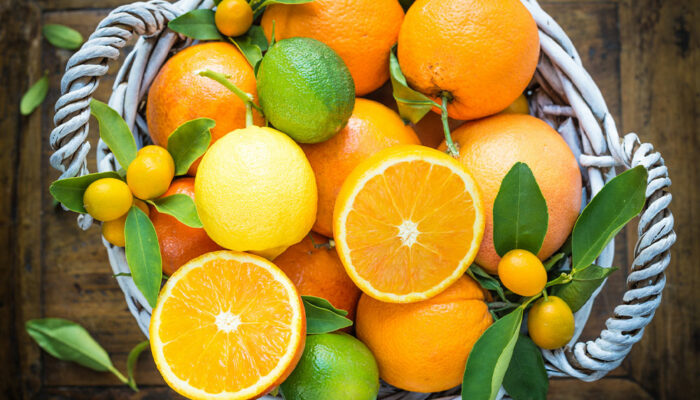
Overactive bladder, also commonly known as OAB, is characterized by the frequent and sudden urge to pass urine, which cannot be controlled. Those with this condition may also experience urgency incontinence or unintentional loss of urine. One’s eating habits can help a great deal in managing an overactive bladder. On that note, here is a list of four foods to avoid or restrict to reduce the symptoms of an overactive bladder. Foods to avoid Citrus fruits like oranges Fruits with high concentrations of acid are considered to be trigger foods for those with an overactive bladder. The acid in oranges, lemons, grapefruits, and limes irritates the inner lining of the bladder. Hence, it is essential to consume them in moderation. The list also covers juices and lemonades. Caffeine Caffeinated beverages are among the most common foods that contribute to an overactive bladder. The caffeine in tea and coffee acts as a bladder stimulant and increases the frequency of passing urine. It is advisable to lower the consumption of caffeinated beverages to avoid aggravating the symptoms of bladder incontinence. Artificial sweeteners Foods rich in sugar and artificial sweeteners like sodas, pastries, icecreams, and sugar-free desserts should be avoided or limited. Artificial sweeteners like aspartame, sodium saccharin, and acesulfame K, which are usually used in frozen desserts, increase urinary frequency and urgency.
Read More
Foods to eat to manage arthritis

Foods to eat to manage arthritis

Arthritis is an inflammatory condition of the joints, and it impacts people of all ages. It is the swelling and tenderness joints and its major symptoms include joint pain, tenderness, and stiffness. That being said, those in the age group of 65 years and above tend to be more susceptible to arthritis. Fortunately, this disorder can be managed with changes in lifestyle and eating habits. The following foods can help reduce inflammation of the joints. Foods to eat Garlic Arthritis causes inflammation owing to the auto-immune response of the body. Garlic helps overcome the issue by easing the inflammation in the joints, thanks to its anti-inflammatory properties. It also contributes toward strengthening the body’s immune response. Ginger The potent spice can fight off inflammation in the body to a great extent. It is particularly effective in treating knee pain that results from osteoarthritis. It contains gingerol, a compound that actively blocks inflammatory pathways, making it easier to fight off inflammation and strengthen the immune system. Fatty fish Freshwater fish are rich in omega-3 fatty acids that help fight inflammation. This also means decreased pain in the joints. Additionally, fatty or oily fish is an equally rich source of vitamin D, making it a nutritionally rich food for those with bone-related issues.
Read More
5 foods that help manage cholesterol levels

5 foods that help manage cholesterol levels

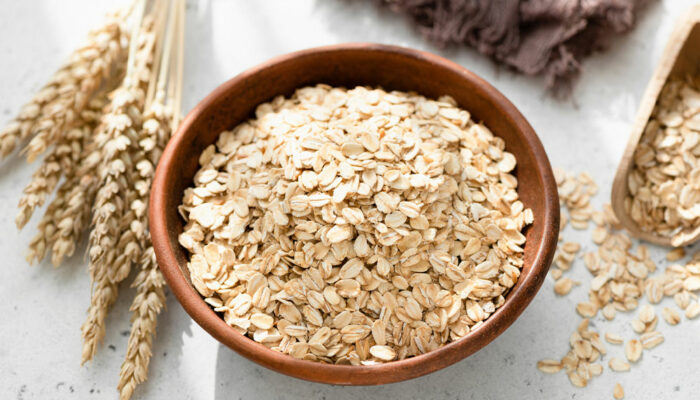
Cholesterol is a waxy substance produced by the body and is also naturally present in certain foods. When found in excess, it can take up space in the arteries, narrowing them and constricting blood flow. There are two types of cholesterol: HDL (good cholesterol) and LDL (bad cholesterol). The latter is harmful and gets deposited in the bloodstream, increasing the heart disease risk. Below are five foods to lower cholesterol levels in the body. Oats Oats are a great staple food option for cholesterol as they are packed with soluble fiber. Research shows that soluble fiber helps reduce LDL cholesterol by preventing it from getting absorbed into the bloodstream. Individuals can eat oats for breakfast and even other meals by mixing different fruits. Besides oats, other food options rich in soluble fiber include kidney beans, Brussels sprouts, and pears. Avocados Apart from being a great spread, avocados help improve LDL levels because they have monounsaturated fatty acids. Moreover, avocados are considered heart-healthy when combined with options like whole-wheat bread, whole-wheat chips, or when used with raw vegetables. Fish Fatty fish like mackerel, herring, tuna, salmon, and trout are rich in omega-3 fatty acids, which can help reduce triglycerides – a type of fat in the blood.
Read More
4 high-cholesterol foods to avoid

4 high-cholesterol foods to avoid

Cholesterol is a waxy substance found in our body that settles in the arteries. There are two types of cholesterol: LDL or low-density lipoprotein and HDL or high-density lipoprotein. Out of the two, LDL is bad, while HDL is good as it helps in excreting excess cholesterol from the body. Here are some foods that you should exclude from your nutritional regime to maintain good cholesterol health for a healthy life. Fried foods All fried foods are known to have trans fat, which can be harmful to your health and also increase the risk of getting heart disease. The consumption of fried foods has also been linked to increased risk of diabetes and obesity. Foods like deep-fried meats and cheese sticks should be avoided due to their high cholesterol content. Fast food Consuming too much fast food has been linked with an increased risk of several chronic diseases, including heart illness, diabetes, and even obesity. It is observed that those who consume fast food very often are known to have irregular sugar levels, higher levels of inflammation, and visible belly fat. Even with exercise, it is important to consume a nutritious meal instead of fried and fast food. Desserts Having a sweet tooth has some disadvantages, including risking your cholesterol levels.
Read More
Showing 161-170 of 379 results

Prev 1516171819Next

FEATURED Articles

Stay at the top of your health game with these 4 tips

Stay at the top of your health game with these 4 tips

7 facts everyone must know about gout

7 facts everyone must know about gout

Top 4 reasons for unnatural hair loss patterns

Top 4 reasons for unnatural hair loss patterns

Learn about these 3 types of hearing loss

Learn about these 3 types of hearing loss

Simple lifestyle changes that reduce the risk of heart diseases

Simple lifestyle changes that reduce the risk of heart diseases

How to distinguish between heartburn and GERD

How to distinguish between heartburn and GERD

Most Popular

5 common joint conditions and how to treat them

5 common joint conditions and how to treat them

A joint or articulation is made from two bones that aid the body in movement. There are many forms of joint conditions, which, in many cases, arise from the wear and tear of bones. Arthritis is one of the major and most common health conditions in the country, and its intensity increases with age. Here are some common types of joint conditions that you need to know: Osteoarthritis With almost 10 percent of men and 13 percent of women aged over 60 suffering from osteoarthritis, it is one of the most prevalent joint conditions in the country. Osteoarthritis occurs due to the wear and tear of the cartilages that protect the ends of bones. It commonly affects joints of the spine, hands, hips, and knees. If left untreated, this wear and tear of the cartilage soon leads to bone degeneration, thereby affecting flexibility and range of movement. Treatment for osteoarthritis depends on its severity and the patient’s age. Mild symptoms can be treated through medications, physiotherapy, and changes in lifestyle, whereas moderate to severe cases may require surgical intervention. Spondyloarthritis Spondyloarthritis, also referred to as spondyloarthropathy, is a type of rheumatic disease that causes inflammation in various joints. There are two types of spondyloarthritis—axial spondyloarthritis, which causes inflammation of the joints in the chest, spine, and hip bone, and peripheral spondyloarthritis, which causes inflammation in the fingers, knees, and toes.
Tips to help you strengthen your immune system

Tips to help you strengthen your immune system

Natural selection has transformed the way in which the human immune system works. While some human genes have evolved to become immune to certain diseases, others have not. This leaves a whole lot of people prone to certain diseases and disorders. That said, there are ways to boost the immune system, improve one’s diet, and lead a healthier lifestyle. Here are a few simple steps that you can take to strengthen the immune system: Ensure adequate sleep There are quite a few studies that prove the relationship between adequate sleep and the strength of the immune system. As an adult, you should ensure that you get seven to eight hours of sleep every night. A teenager should get eight to ten hours of sleep, whereas a young child should get at least 14 hours of sleep on a daily basis. If you have disturbed or no sleep, then you can improve your sleep cycle with these quick tips: Try sleeping in a room that is completely dark Get to bed at the same time every night. This will help regulate your sleep pattern Avoid using electronics that emit blue light before bed Maintain a diet of fruits and vegetables Fruits, vegetables, and whole grains contain essential minerals, fiber, vitamins, and antioxidants.
  • About Us
  • Contact Us
  • Privacy Policy

© 2025 ArticleHood.com. All Rights Reserved.

e