
Speed Limits: What the Numbers Mean and Why Context Still Matters

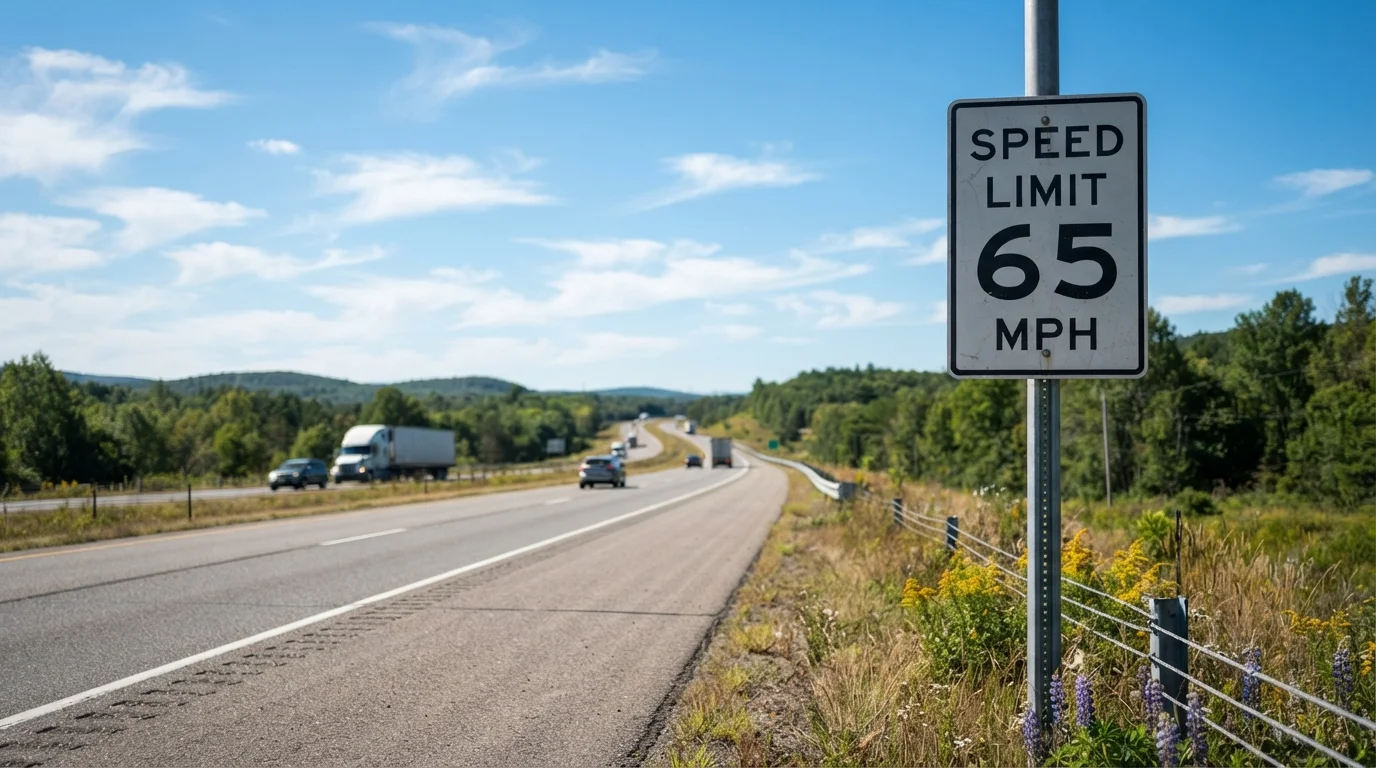
Photo: ArticleHood.com | Precision In Every Word editorial
Key Takeaways
- A posted speed limit is a legal maximum, not a target or recommended speed for all situations.
- Road design, traffic volume, pedestrian presence, and weather all affect what speed is actually safe.
- Advisory speed signs (yellow) are non-binding recommendations, while regulatory signs (white) are enforceable law.
- Driving at the speed limit in poor conditions can still result in a citation for unsafe driving.
- Urban, rural, and highway roads have different default limits that reflect their built environment.
The Legal Ceiling vs. the Safe Speed
When you see a white rectangular speed limit sign, you're looking at a legal boundary, not a driving target. The number tells you the fastest you're allowed to go under normal conditions - it doesn't tell you the speed that's appropriate for rain-slicked pavement, dense fog, road construction, or a school zone during dismissal.
This distinction matters because many drivers treat the posted number as a floor rather than a ceiling. Research consistently shows that speed is a contributing factor in a significant share of fatal crashes - not just driving over the limit, but driving faster than conditions warrant. The legal maximum and the situationally safe speed are often two different numbers.
For a fuller look at how these principles shift depending on where you're driving, see our guide to motorway vs. urban driving.
Treat the Limit as a Starting Point
How Speed Limits Are Determined
Speed limits don't appear arbitrarily. Traffic engineers analyze a road's physical characteristics - lane width, sight lines, curve radius, intersection spacing - alongside pedestrian and cyclist activity, posted land use (residential vs. commercial vs. rural), and crash history.
One widely referenced methodology is the 85th-percentile rule: setting limits near the speed at which 85% of drivers naturally travel on a given road under free-flow, unimpeded conditions. The idea is that a limit aligned with typical driver behavior earns more voluntary compliance. However, critics argue this approach can entrench speeds that are unsafe for pedestrians, and many urban jurisdictions have moved toward lower limits in areas with high foot traffic.
Default limits also exist when no sign is posted. Most U.S. states set a default of 25 mph in residential areas, 55 mph on undivided rural highways, and varying defaults on interstates. These defaults have legal force even without a sign.
When No Sign Is Posted
Regulatory vs. Advisory Signs: Know the Difference
Not all speed-related signs are created equal. Regulatory signs are white with black text - the classic speed limit format. These are enforceable by law. Advisory signs are yellow and diamond-shaped (or yellow rectangular for curve speed plates). They suggest a speed for a specific feature, like a sharp curve or freeway on-ramp.
Advisory speeds are based on engineering data and are not legally binding on their own, but ignoring them can still get you in trouble. If you roll a curve at 50 mph when the advisory plate says 30, and you lose control, you may face a reckless driving citation regardless of the posted regulatory limit.
~29%
Fatal crashes linked to speeding
The National Highway Traffic Safety Administration (NHTSA) has consistently attributed roughly 29% of traffic fatalities to speeding-related factors in its annual crash data reports.
3-4×
Increase in stopping distance on ice vs. dry road
Traffic safety organizations note that stopping distances on ice can be three to four times longer than on dry pavement at the same speed, illustrating why posted limits assume normal conditions.
Understanding the sign types is part of building the broader situational awareness that good drivers develop over time. For context on how this fits into road safety as a whole, our complete road safety guide covers the full picture.
Why Context Changes Everything
Driving at 65 mph on a dry, clear interstate is a very different act from driving 65 mph in heavy rain or dense traffic. Nearly every U.S. state has a basic speed law - sometimes called the reasonable and prudent standard - which requires drivers to travel at a speed that is appropriate for actual conditions, even if that speed is below the posted limit.
Practical factors that should prompt a reduction in speed include:
- Weather: Rain, snow, ice, and fog all reduce stopping distances and visibility.
- Traffic density: Heavy congestion means less reaction time to sudden stops.
- Road surface: Potholes, gravel, or freshly oiled pavement change vehicle handling.
- Time of day: Night driving limits visibility even with headlights.
- Pedestrian zones: School zones, crosswalks, and neighborhood streets demand extra margin.
A ticket is the least of the consequences when speed choice is wrong. Adjusting to context isn't timidity - it's the core of defensive driving.
Frequently Asked Questions
The content on this site is for informational purposes only and is not a substitute for professional advice. Always consult a qualified professional for guidance specific to your situation.