
Anti-Inflammatory Eating: What the Evidence Supports and What Remains Uncertain

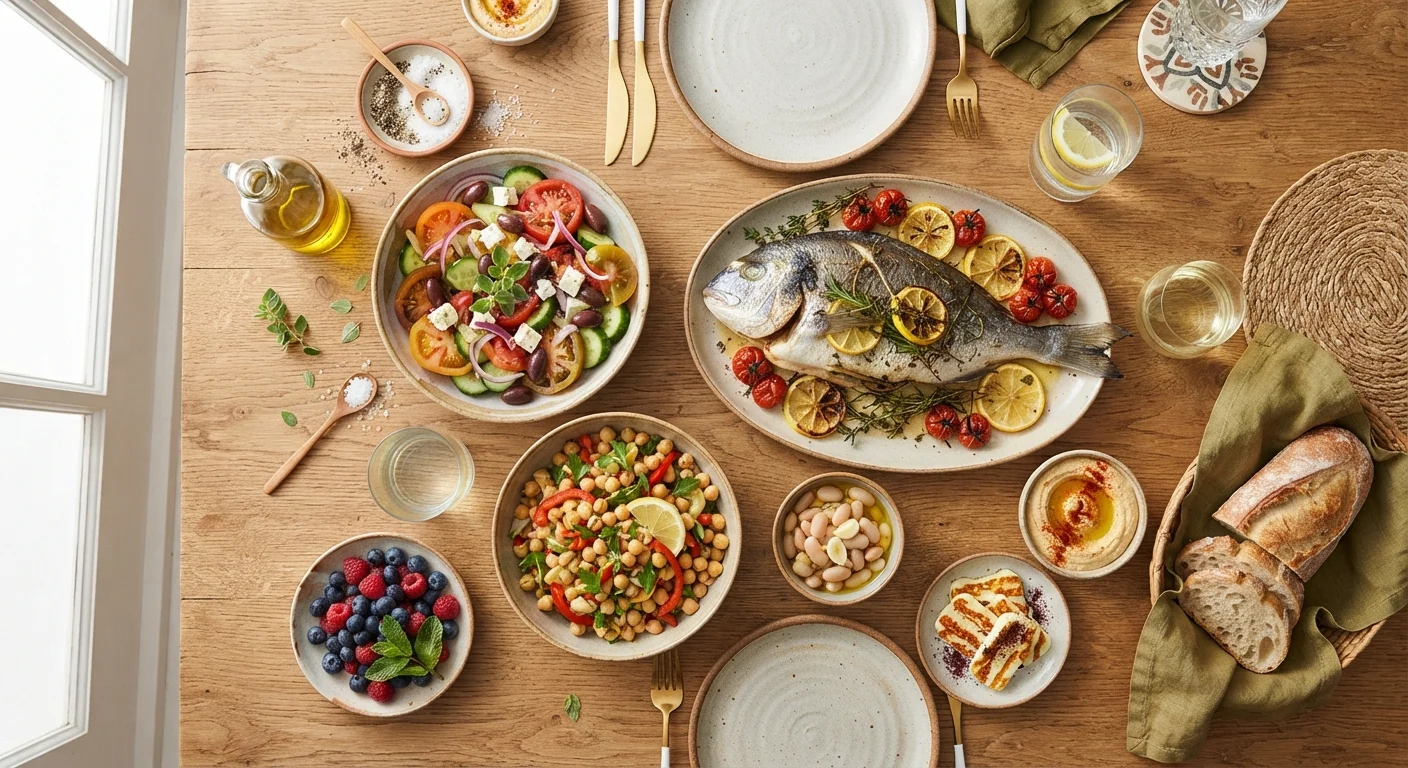
Photo: ArticleHood.com | Precision In Every Word editorial
Key Takeaways
- Chronic low-grade inflammation is linked to several serious diseases, but diet is one factor among many.
- Dietary patterns - not single foods or supplements - show the strongest evidence for reducing inflammatory markers.
- The Mediterranean diet has the most robust research support among anti-inflammatory eating patterns.
- Many popular 'superfood' claims outpace the actual evidence; no single food is a cure.
- Lifestyle factors like sleep, physical activity, and stress also significantly affect inflammation.
- Always consult a qualified healthcare professional before making major dietary changes for a health condition.
What Is Inflammation, Really?
Inflammation is a biological process, not simply a problem to be eliminated. When your immune system detects injury or infection, it triggers an acute inflammatory response - redness, swelling, warmth - that helps the body heal. This is normal and necessary.
The concern in nutrition science centers on chronic low-grade inflammation: a persistent, lower-intensity immune activation that doesn't resolve. This state has been associated in observational research with an increased risk of cardiovascular disease, type 2 diabetes, certain cancers, and other conditions. Researchers measure it using biomarkers such as C-reactive protein (CRP), interleukin-6 (IL-6), and tumor necrosis factor-alpha (TNF-α).
Diet can influence these biomarkers, but so can body weight, physical activity, sleep quality, chronic stress, smoking, and underlying health conditions. Understanding inflammation as a multi-factor issue is essential context before evaluating any dietary claim.
What the Research Actually Supports
The strongest evidence in this area centers on dietary patterns rather than individual foods or nutrients. The Mediterranean diet - rich in vegetables, fruits, legumes, whole grains, nuts, olive oil, and fish, with limited red meat and ultra-processed foods - has been studied extensively. Multiple large trials and meta-analyses have found it associated with lower levels of inflammatory biomarkers and reduced risk of cardiovascular events.
~30%
Reduction in cardiovascular events (PREDIMED trial)
The PREDIMED randomized trial found roughly a 30% lower rate of major cardiovascular events in Mediterranean diet groups versus a low-fat comparison diet.
72%
Of Americans eat insufficient vegetables daily
According to CDC dietary data, the large majority of U.S. adults fall short of recommended vegetable intake - a key component of anti-inflammatory eating patterns.
2-3x
Higher CRP in heavy ultra-processed food consumers
Several cohort studies have found C-reactive protein levels notably elevated in individuals whose diets consist primarily of ultra-processed foods.
The PREDIMED trial, a major randomized controlled trial, found that a Mediterranean diet supplemented with extra-virgin olive oil or nuts reduced cardiovascular events compared to a low-fat control diet. While the trial had methodological complexities that led to a published correction, its broad findings remain influential and are broadly consistent with the wider evidence base.
Plant-forward eating patterns more generally - including DASH (Dietary Approaches to Stop Hypertension) - also show consistent associations with lower inflammatory markers. These patterns share common features: high fiber intake, abundant polyphenols (plant compounds with antioxidant properties), and limited refined carbohydrates and processed meat. See our comparison of plant-based and omnivorous diet research for a broader look at how these patterns stack up.
When evaluating anti-inflammatory diet claims, ask whether the evidence comes from a dietary pattern study or from isolating a single compound in a lab or animal model - the latter rarely translates directly to human health outcomes.
Focus your grocery choices on the perimeter of the store and minimally processed options - not on expensive 'superfood' products with health claims on the label.
Where the Evidence Gets Murky
Much nutrition science relies on observational data - large cohort studies tracking what people eat and what diseases they develop over time. These studies are valuable but cannot prove causation; people who eat more vegetables may also exercise more, smoke less, and differ in countless other ways.
Beware of Oversimplified 'Inflammation' Claims
Randomized controlled trials (RCTs) on diet are difficult to conduct rigorously: you can't blind people to what they eat, long-term compliance is hard to maintain, and many outcomes take decades to develop. This means evidence levels in nutrition rarely reach the standard seen in drug trials.
Specific claims that regularly outrun their evidence include: that a single food (turmeric, blueberries, green tea) meaningfully reduces disease risk on its own; that commercially available "anti-inflammatory" supplements reliably lower CRP; and that eliminating entire food groups is necessary for an anti-inflammatory effect. Our deep-dive on persistent nutrition myths covers how this kind of oversimplification spreads.
Foods Often Labeled 'Inflammatory': A Closer Look
Certain foods carry a strong public reputation for being either powerfully anti-inflammatory or harmful. The reality is more nuanced.
Seed and vegetable oils
Oils high in omega-6 fatty acids (sunflower, corn, soybean) are sometimes claimed to promote inflammation because omega-6s are precursors to some pro-inflammatory compounds. However, the mechanistic picture is more complex, and most large dietary studies do not consistently show that moderate consumption of these oils raises inflammatory markers in humans. For a thorough look at this specific debate, see our evidence review on seed oils.
Sugar and refined carbohydrates
There is reasonably consistent evidence that high intake of added sugars and highly refined carbohydrates is associated with elevated inflammatory markers, particularly in the context of excess calorie intake and weight gain. This is one area where the pattern-level and ingredient-level evidence converge somewhat more clearly.
Fatty fish and omega-3s
Omega-3 fatty acids (EPA and DHA), found in oily fish like salmon, mackerel, and sardines, have demonstrated anti-inflammatory effects in controlled studies. Fish oil supplements show effects on specific biomarkers but evidence for hard clinical outcomes is more mixed. Whole-food sources are generally preferred in dietary guidelines.
Practical Takeaways for Everyday Eating
Translating this evidence into daily habits doesn't require a rigid elimination plan or expensive supplements. The core principles are straightforward and consistent with general healthy-eating guidance.
Start With Subtraction, Not Addition
- Prioritize variety: Eat a wide range of vegetables, fruits, legumes, and whole grains. Diversity in plant foods supports a healthy gut microbiome, which in turn influences immune regulation.
- Choose healthy fats: Extra-virgin olive oil, avocados, nuts, and fatty fish provide fats consistently associated with favorable inflammatory profiles.
- Limit ultra-processed foods: Products high in refined grains, added sugars, and industrial additives appear most consistently linked to elevated inflammation in population studies.
- Don't fixate on single foods: No one ingredient will undo or anchor your inflammatory status. Pattern and consistency matter far more.
- Address lifestyle factors: Adequate sleep, regular physical activity, and stress management have measurable effects on inflammatory biomarkers - sometimes as large as dietary interventions.
For practical ways to apply these principles across different cuisines and food preferences, see our guide on building a healthier plate. And if you're curious about how cooking methods affect the nutritional quality of your food, our review of common cooking myths offers useful context.
This article is for general informational and educational purposes only and is not a substitute for professional medical or nutritional advice. If you have a health condition or are considering significant dietary changes, please consult a qualified healthcare professional.
The content on this site is for informational purposes only and is not a substitute for professional advice. Always consult a qualified professional for guidance specific to your situation.