
Building a Healthier Plate: Principles That Work Across Any Cuisine

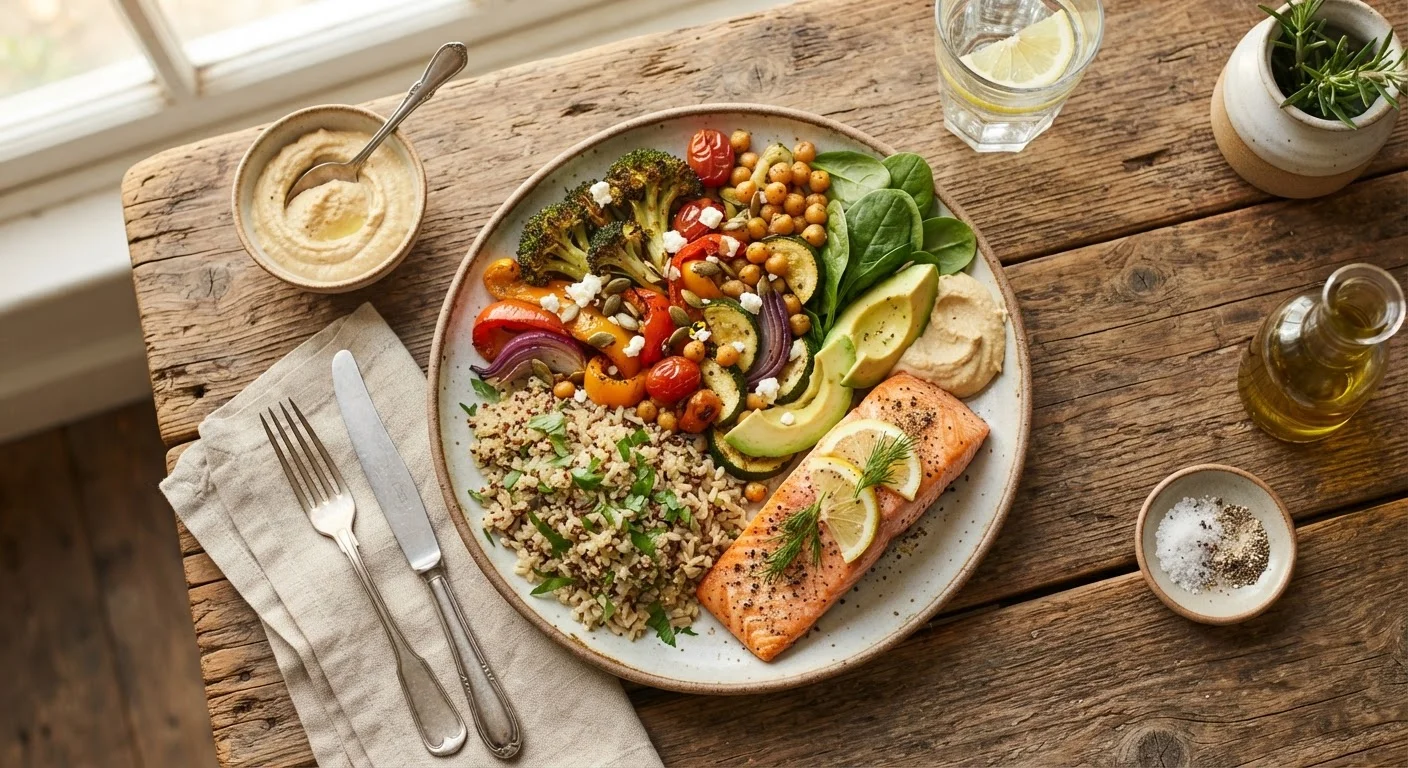
Photo: ArticleHood.com | Precision In Every Word editorial
Key Takeaways
- Half your plate filled with vegetables is a reliable, cuisine-agnostic starting point for balanced eating.
- Whole, minimally processed foods provide more fiber and micronutrients than their refined counterparts.
- Protein, healthy fats, and complex carbohydrates each play a distinct role in satiety and energy.
- Portion awareness matters more than perfection - small, consistent adjustments compound over time.
- Healthy eating works within any cultural food tradition, not against it.
Why Principles Beat Prescriptions
Nutrition advice often arrives as rigid rules: eat this, never eat that. The problem is that those rules rarely account for the extraordinary diversity of cuisines, households, budgets, and preferences that make up real eating life. A Korean meal built around fermented vegetables and rice is nutritionally different from a Mexican plate centered on beans and corn tortillas - yet both can be genuinely health-supportive.
What science consistently points to are flexible principles, not food lists. These principles apply whether you're eating at a Vietnamese pho shop, cooking an Ethiopian lentil stew at home, or assembling lunch from a deli counter. Understanding them puts you in the driver's seat, regardless of what's on the menu. For a deeper look at how food components work in your body, the Body & Nutrition hub is a useful starting point.
“The best diet is the one you can maintain. Variety, balance, and moderation remain the cornerstones of dietary guidance for good reason - they work across cultures and across a lifetime.”
— Walter Willett, Professor of Epidemiology and Nutrition, Harvard T.H. Chan School of Public Health
Core Practices for a Healthier Plate
These principles are drawn from mainstream dietary science and major nutritional guidelines. They're intended as general education - not personalized medical advice. Always consult a qualified healthcare professional for guidance tailored to your individual health circumstances.
Fill at least half your plate with vegetables and fruit at most meals.
Choose whole or minimally processed grains and starches when you have the option.
Include a source of protein at every meal.
Use healthy fats purposefully rather than avoiding fat altogether.
Limit added sugars and heavily processed foods - but don't label them as forbidden.
Quick Wins You Can Apply Today
You don't need to overhaul how you eat overnight. Small, deliberate shifts - applied consistently - tend to have a more durable impact than dramatic short-term changes. The following actions can be integrated into almost any meal without special ingredients or equipment.
If you're working with a limited grocery budget, these principles can still apply. Our article on eating well on a tight budget offers practical, evidence-informed strategies for getting strong nutritional value without overspending.
Putting It All Together
Building a healthier plate is ultimately about patterns, not individual meals. One rich, indulgent dish doesn't derail a generally balanced diet - just as one salad doesn't create one. The goal is a consistent orientation toward variety, color, fiber, and wholeness, expressed through whatever foods are meaningful and accessible to you.
9 servings
Daily fruit and vegetable target in many national guidelines
The Dietary Guidelines for Americans recommend filling half the plate with fruits and vegetables at each meal, which across three meals approximates this range.
~70%
Of US adults not meeting daily vegetable intake recommendations
According to CDC data, the majority of American adults consume vegetables less frequently than national dietary guidelines recommend.
Portion awareness is one of the easiest places to start. Our article on portion sizes and common misconceptions explains how standard serving sizes often differ from what we actually eat. Once you're comfortable with these fundamentals, meal planning for a realistic week can help you put them into practice consistently.
Apply These Principles to Any Cuisine
This article is for general informational and educational purposes only and does not constitute medical or dietary advice. Consult a qualified healthcare professional before making significant changes to your diet, especially if you have an existing health condition.
The content on this site is for informational purposes only and is not a substitute for professional advice. Always consult a qualified professional for guidance specific to your situation.