
Meal Planning for Real Life: Fitting Nutrition Around a Busy Week

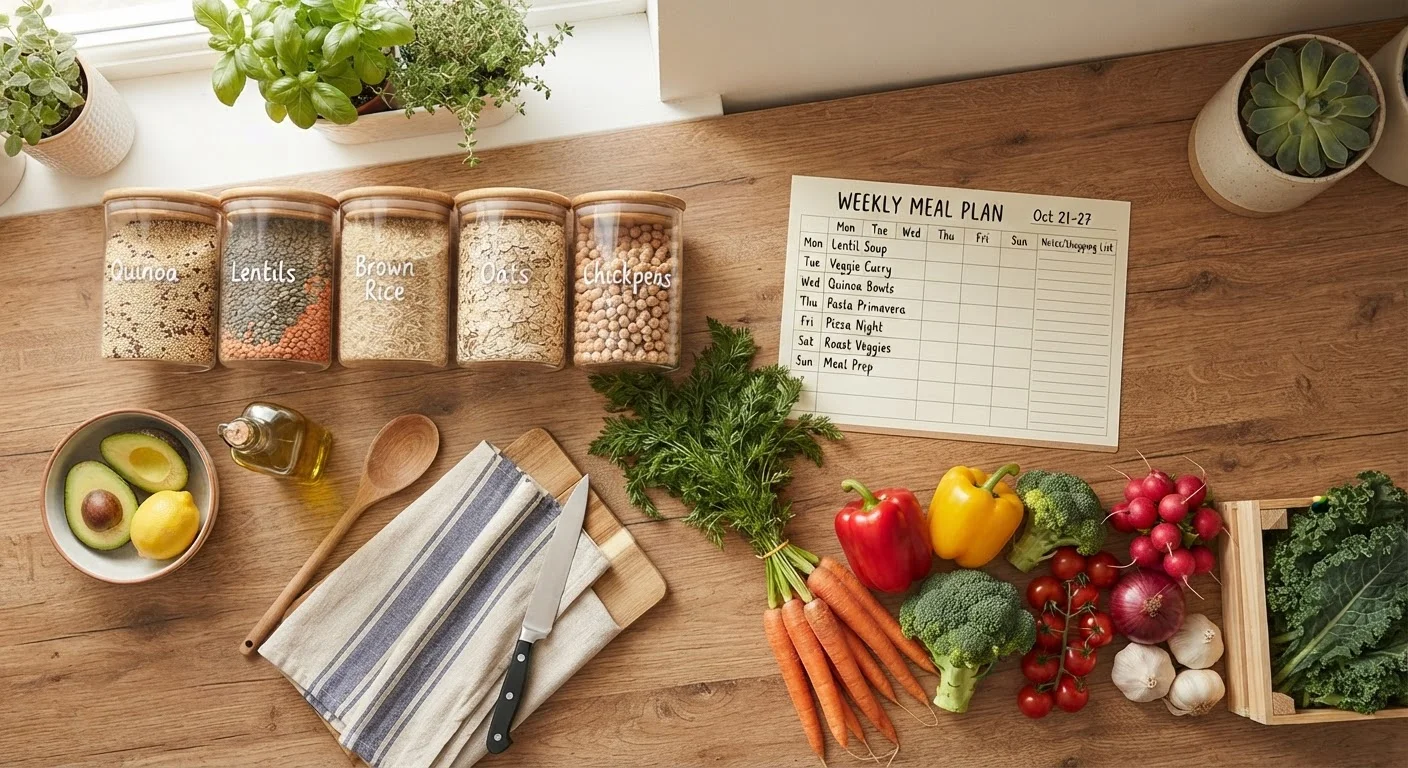
Photo: ArticleHood.com | Precision In Every Word editorial
Key Takeaways
- A realistic meal plan works with your actual schedule, not an idealized version of it.
- Batch-cooking a few versatile staples once a week reduces daily decision fatigue significantly.
- You don't need to plan every meal perfectly - covering most dinners and lunches is enough.
- A stocked pantry is the foundation that makes weeknight meal plans actually executable.
- Nutrition goals are more sustainable when built around habits, not perfection.
Why Most Meal Plans Fail - and What to Do Differently
Most meal planning advice assumes you have a quiet Sunday afternoon, culinary enthusiasm, and an unlimited grocery budget. Real life rarely cooperates. The result: ambitious plans that fall apart by Tuesday, leaving people feeling like the problem is personal discipline rather than an unrealistic system.
The good news is that effective meal planning doesn't require perfection. Research on habit formation consistently shows that smaller, repeatable behaviors outperform elaborate systems that demand too much at once. Applied to food, this means planning for most meals - not all of them - and building a structure flexible enough to absorb a late meeting or an exhausted evening.
Think of a meal plan less as a rigid menu and more as a decision-making shortcut. When you've already figured out what protein, grain, and vegetables are in your fridge, dinner becomes assembly rather than invention. That mental shift alone reduces the friction that sends people toward less nutritious convenience options. For a deeper look at how your current eating patterns hold up week to week, see our weekly nutrition habits audit.
What you will need
How to Build Your Weekly Meal Plan
The following steps walk through a practical, repeatable planning process. You'll need about 20-30 minutes the first time; it typically gets faster once the habit settles in.
Audit Your Week Before You Plan
Before writing down a single meal, look at your actual calendar. Identify which evenings are genuinely available for cooking versus which are packed. Most people have two or three nights a week when real cooking is realistic - plan around that, not an imaginary schedule.
Choose Two or Three Anchor Proteins
Pick two or three proteins to anchor the week - such as eggs, canned beans, chicken thighs, or tofu. These don't need to be elaborate; they serve as the structural base from which you'll build multiple meals. A batch of roasted chicken works in tacos, grain bowls, and salads without requiring new cooking each time.
Plan Grains and Vegetables in Batches
Cook one or two whole grains in bulk - brown rice, farro, or quinoa are practical choices that reheat well. Pair them with roasted or raw vegetables you can use across several meals. Aim for variety in color across the week, which generally reflects broader nutrient diversity.
Write Down Your Plan Simply
A meal plan doesn't need to be a formatted spreadsheet. A sticky note with dinner ideas for five nights and a few lunch notes is sufficient. The goal is to eliminate the daily "what should I eat?" decision, not to create a document. Keep it visible - on the fridge or a notes app you actually open.
Shop Once, Strategically
Write your grocery list based on the plan, organized by store section (produce, proteins, pantry). Buying only what's on the list reduces waste and keeps costs predictable. A well-stocked pantry of shelf-stable staples means your weekly shop can focus on fresh items - see the mise en place approach for how professional prep principles translate to home cooking.
Do One Small Prep Task to Start the Week
After shopping, do one thing: cook a grain, wash and chop produce, or hard-boil a few eggs. A single 15-minute task at the start of the week dramatically lowers the activation energy for every meal that follows. You don't need a full meal-prep session - one task is enough to shift the week's momentum.
Plan for Nutrition Broadly, Not Precisely
Once you have a working system, budget-conscious shopping becomes much easier to layer in. Our article on eating well on a tight budget offers strategies that pair well with a regular planning habit.
Making It Stick: Troubleshooting Common Roadblocks
Even a well-designed plan hits friction points. Here's how to handle the most common ones:
- "I planned meals but didn't feel like cooking." Build at least one low-effort fallback into each week - scrambled eggs, a grain bowl from leftovers, or soup from a can you've upgraded with frozen vegetables and a protein. No-cook nights are legitimate meal planning choices.
- "Ingredients went bad before I used them." Plan meals that share ingredients across the week. If you buy a bunch of kale, schedule it in two different meals. Check out the essential pantry guide for shelf-stable items that reduce waste and extend your planning flexibility.
- "I don't have time to prep everything at once." Micro-prep works just as well. Chop onions while dinner cooks. Cook extra grains on Monday night for Wednesday's lunch. Our pre-cook prep checklist breaks down how to set yourself up efficiently without a dedicated prep block.
Overly Rigid Plans Often Backfire
For readers navigating specific nutritional needs - such as higher protein requirements during certain life stages - our overview of protein needs across life stages can help you understand what to prioritize when building your plan. And if time is your biggest constraint, building a sustainable eating pattern when you have no time to cook offers approaches worth exploring.
This article is for general informational and educational purposes only and is not a substitute for personalized nutrition or medical advice. Consult a qualified healthcare professional or registered dietitian for guidance specific to your health needs.
The content on this site is for informational purposes only and is not a substitute for professional advice. Always consult a qualified professional for guidance specific to your situation.