
Before You Cook: A Prep Checklist for Stress-Free Meals at Home

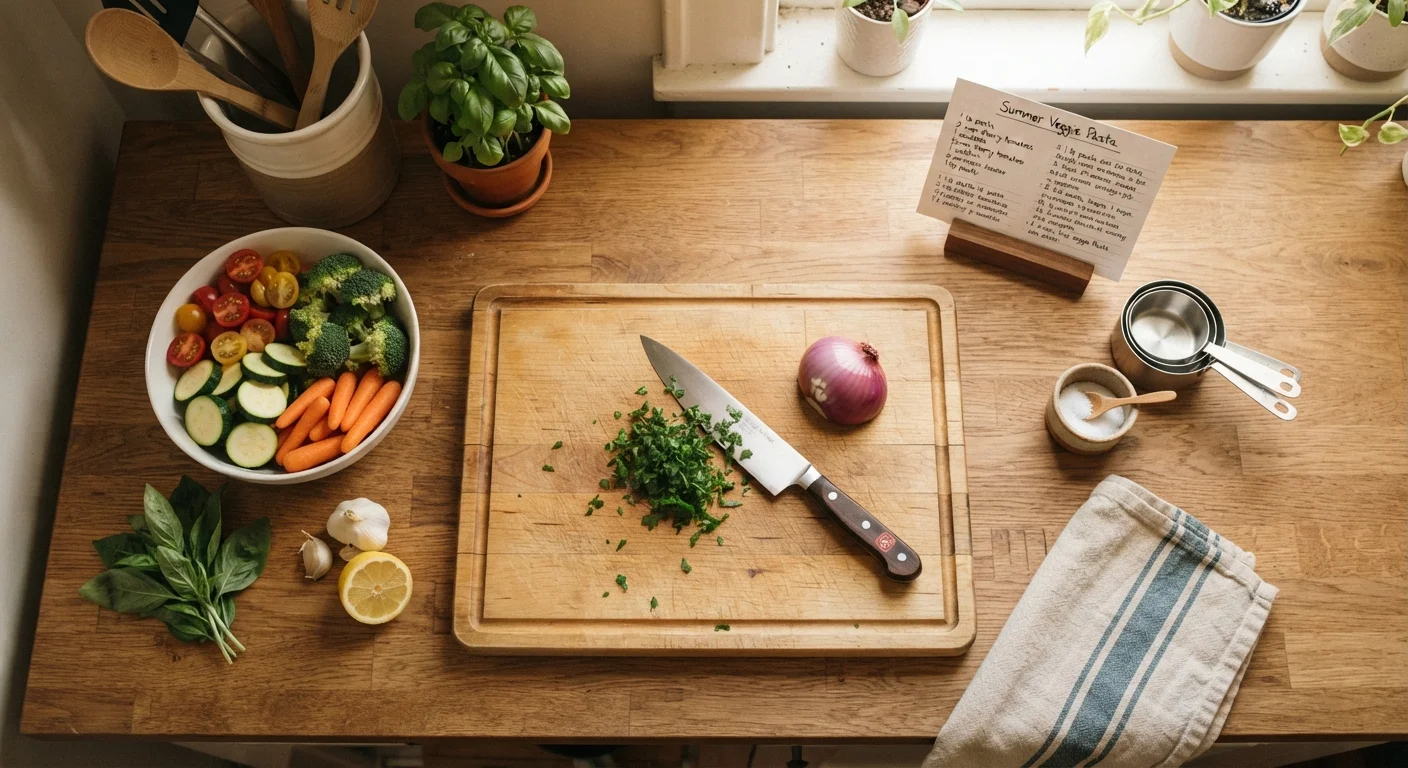
Photo: ArticleHood.com | Precision In Every Word editorial
Key Takeaways
- Reading your recipe fully before starting prevents mid-cook surprises and missing ingredients.
- A clean, organized workspace reduces accidents and helps you move efficiently through each step.
- Prepping all ingredients before heat goes on - a practice called mise en place - is one of the most effective cooking habits you can build.
- Checking equipment and cookware in advance prevents delays when timing matters most.
- Good food safety habits at the prep stage protect everyone at the table.
Why Pre-Cooking Prep Changes Everything
Most cooking stress doesn't happen at the stove - it happens in the scramble before you get there. Hunting for the right pan while onions burn, realizing a key ingredient is missing, or discovering your cutting board is buried under dishes are all problems that a short, deliberate prep routine can prevent.
Professional kitchens rely on a concept called mise en place (French for "everything in its place"). The idea is simple: before any heat comes on, every ingredient is measured, prepped, and within reach. You don't need a restaurant setup to benefit from this approach - the same principle works in any home kitchen.
This checklist walks you through four stages of pre-cooking prep: reviewing your recipe, setting up your workspace, prepping ingredients, and confirming your equipment. Working through these steps - even quickly - can turn a chaotic cooking session into a calm, enjoyable one. For related foundational guidance, see what staple ingredients to keep on hand so your pantry supports rather than limits you.
Recipe Review
Workspace Setup
Ingredient Prep (Mise en Place)
Equipment Check
Tools That Make Prep Easier
You don't need specialized gadgets to prep well, but having the right basics at hand keeps the process smooth. Here's what's worth confirming is accessible before you start.
Chef's knife
Used to chop, slice, and mince the majority of vegetables, herbs, and proteins during ingredient prep.
Cutting board (x2)
One board for produce, one dedicated to raw proteins - essential for avoiding cross-contamination.
Small prep bowls or ramekins
Used to hold measured and prepped ingredients so each is ready to add exactly when the recipe calls for it.
Kitchen scale
Provides accurate ingredient measurements, especially useful for baking where ratios affect the final result.
Instant-read thermometer
Confirms that proteins have reached a safe internal temperature without guessing or cutting into the food repeatedly.
Measuring cups and spoons
Ensures consistent, accurate measurements for both dry and liquid ingredients throughout the recipe.
Strong knife skills are one of the highest-leverage things you can develop as a home cook. If you want to build confidence with a blade, our guide on knife skills every home cook should know is a practical place to start.
A Note on Food Safety During Prep
Cross-Contamination Is a Real Risk
Prep is the stage where food safety habits matter most. Cross-contamination - where bacteria from raw proteins transfer to ready-to-eat foods - almost always happens during prep, not cooking. The steps below aren't optional formalities; they're genuinely protective.
If you cook regularly and want to build healthy eating habits that go beyond any single meal, the Eating Well hub offers practical guidance on balanced everyday food choices. And if time is the main barrier to cooking at home, building a sustainable eating pattern when you have no time to cook offers realistic strategies that don't require elaborate prep sessions.
Don't Skip Hand Washing
This article is for general informational purposes only. It does not constitute food safety certification or professional culinary instruction. Always follow current food safety guidelines from authoritative sources such as the USDA or FDA.
The content on this site is for informational purposes only and is not a substitute for professional advice. Always consult a qualified professional for guidance specific to your situation.