
Plant-Based Eating vs. Omnivorous Diets: What Nutrition Research Says

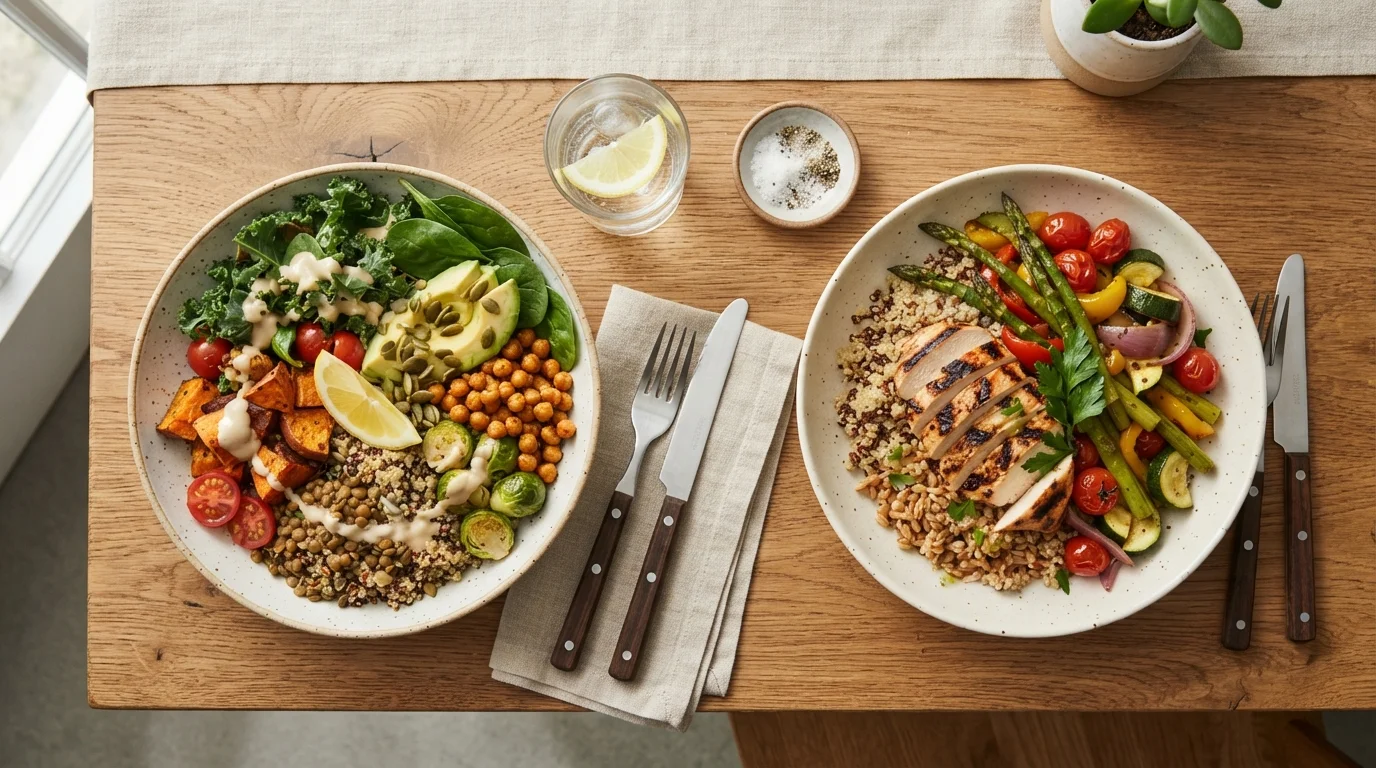
Photo: ArticleHood.com | Precision In Every Word editorial
Key Takeaways
- Neither plant-based nor omnivorous diets are universally superior - diet quality within each pattern matters most.
- Plant-based eaters need to monitor vitamin B12, iron, calcium, zinc, and omega-3 fatty acids carefully.
- Omnivorous diets can fall short on fiber and beneficial plant compounds if vegetables and legumes are underrepresented.
- Large-scale research consistently links diets rich in whole plant foods with reduced chronic disease risk, regardless of whether meat is included.
- Individual factors like health status, food access, and cultural context should shape any dietary approach.
What We Mean by Each Eating Pattern
The term plant-based eating spans a wide range - from fully vegan diets (no animal products at all) to flexitarian approaches (primarily plants, with occasional meat or fish). Omnivorous diets include both plant and animal foods in varying proportions, with no food group excluded by principle.
This distinction matters because nutrition research rarely compares ideal versions of each pattern. It typically looks at real eating habits in large populations, where someone calling themselves omnivorous might eat heavily processed food most days, or a self-described plant-based eater might rely on refined carbohydrates. When reviewing the evidence, it helps to ask: which version of each pattern is being studied?
For a broader grounding in what nutritional balance actually means, see what 'balanced diet' really means - the core principles there apply across both patterns discussed here.
Key Nutritional Strengths and Gaps
Research consistently shows that well-constructed plant-based diets tend to be higher in fiber, folate, magnesium, and antioxidants, and lower in saturated fat. These attributes are associated with favorable markers for cardiovascular health and blood sugar regulation.
However, several nutrients are either absent or poorly absorbed from plant sources alone:
- Vitamin B12: Found almost exclusively in animal foods. Strict plant-based eaters need a reliable supplement or fortified foods.
- Heme iron: The form of iron in meat is absorbed more readily than non-heme iron from plants. Vitamin C consumed alongside plant iron sources can improve absorption.
- Omega-3 fatty acids: While plants provide ALA, the conversion to EPA and DHA - the forms most used by the body - is limited. Algae-based supplements can address this.
- Zinc and calcium: Present in plant foods but can be inhibited by compounds like phytates. Soaking, sprouting, or fermenting legumes and grains can reduce this effect.
Omnivorous diets, by contrast, provide B12, heme iron, and complete proteins without supplementation. Their common nutritional weak point is insufficient fiber and plant diversity - many Americans fall short of the recommended 25-38 grams of fiber per day, which is harder to do when vegetables, legumes, and whole grains are sidelined.
| Plant-Based Diet | Omnivorous Diet | |
|---|---|---|
| Fiber intake | Typically high | Variable; often below recommendations |
| Vitamin B12 | Requires supplement or fortified foods | Naturally obtained from animal products |
| Saturated fat | Generally lower | Depends on animal food choices |
| Complete protein access | Requires food combining or planning | Readily available from meat, eggs, dairy |
| Iron bioavailability | Non-heme iron; lower absorption rate | Heme iron; more readily absorbed |
| Omega-3 (EPA/DHA) | Limited; algae supplements needed | Available from fatty fish |
| Chronic disease risk (research trend) | Lower in high-quality studies | Lower when diet is plant-rich and varied |
| Flexibility / food access | Can be limited in some settings | Broadly accessible in most regions |
What Long-Term Research Actually Shows
Several large observational studies - including the Adventist Health Studies and EPIC-Oxford cohort - have found that vegetarians and vegans tend to have lower rates of type 2 diabetes, hypertension, and certain cancers compared to average omnivores. However, these populations also tend to have lower smoking rates, higher health awareness, and other lifestyle factors that confound direct dietary comparisons.
Importantly, high-quality omnivorous diets - such as the Mediterranean and DASH patterns, which are rich in vegetables, legumes, fish, and whole grains - produce similarly strong health outcomes. The 2019 EAT-Lancet Commission and subsequent analyses suggest that minimizing red and processed meat while maximizing plant food variety benefits both human health and environmental sustainability, without requiring full elimination of animal products.
Focus on Food Quality Within Your Pattern
For a nuanced look at another diet trend with mixed evidence, anti-inflammatory eating research offers a comparable evidence-based review.
Making Either Pattern Work for You
The practical takeaway from nutrition research is straightforward: the gap between a well-planned plant-based diet and a thoughtfully constructed omnivorous diet is smaller than popular debate suggests. The gap between any quality diet and a poor-quality one - regardless of category - is substantial.
A few principles apply across both patterns:
- Prioritize whole, minimally processed foods as the foundation of daily eating.
- Eat a wide variety of vegetables, legumes, and whole grains - the benefits of plant diversity are well-documented.
- If following a fully plant-based diet, actively plan for B12, omega-3s, and iron rather than assuming variety alone covers all needs.
- If eating omnivorously, make plants the larger portion of your plate rather than a side consideration.
For readers navigating this in a busy real-world schedule, building a sustainable eating pattern when time is limited offers practical, non-prescriptive strategies. And if cost is a concern, eating well on a tight budget is worth reading - many high-value plant foods are among the most affordable items in any grocery store.
This article is for general informational and educational purposes only and is not a substitute for personalized medical or dietary advice. Consult a registered dietitian or qualified healthcare professional before making significant changes to your diet, especially if you have an existing health condition.
The content on this site is for informational purposes only and is not a substitute for professional advice. Always consult a qualified professional for guidance specific to your situation.