
Nutrition Myths That Refuse to Die - And What the Evidence Actually Shows

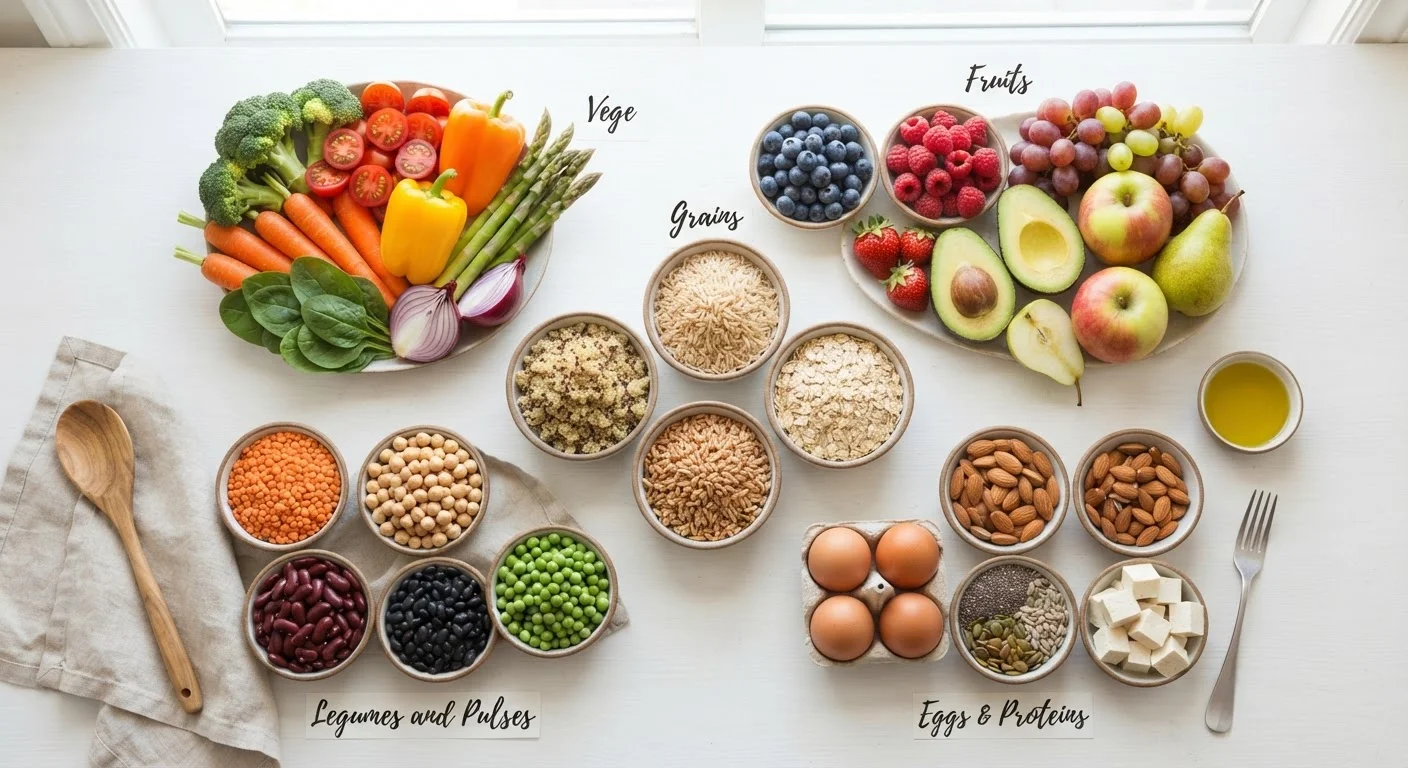
Photo: ArticleHood.com | Precision In Every Word editorial
Key Takeaways
- Carbohydrates are not inherently fattening; total calorie balance and food quality matter more.
- Your liver and kidneys detoxify your body continuously - no juice cleanse required.
- Eating fat does not automatically cause body fat gain; fat type and overall diet context matter.
- Skipping meals rarely speeds weight loss and can disrupt hunger-regulating hormones.
- Organic produce is not nutritionally superior to conventional; both support a healthy diet.
Why Nutrition Myths Are So Hard to Shake
Nutrition myths spread easily because they often contain a kernel of truth, get repeated by well-meaning people, and tap into real desires - to lose weight quickly, feel energetic, or avoid disease. Social media amplifies them before researchers can respond. The result: millions of people make food decisions based on ideas that science corrected years ago.
This article works through some of the most persistent offenders, pairing each myth with what current evidence actually supports. For a broader look at how macronutrients function in your body, see our plain-language macronutrient guide.
Myth
Carbs make you fat, so cutting them is the fastest path to weight loss.
Fact
Excess calories from any source - carbohydrates, fat, or protein - can contribute to weight gain. Carbohydrates are the body's preferred energy source and are not inherently fattening.
The carbohydrate-as-villain story gained traction partly because low-carb diets do produce quick early results - mostly from water loss as glycogen (stored carbohydrate) is depleted. But controlled research comparing low-carb and low-fat diets over longer periods consistently shows that total calorie intake and dietary adherence matter more than macronutrient ratio alone. Whole-food carbohydrate sources - legumes, oats, vegetables, fruit - also deliver fibre, vitamins, and minerals that refined snack foods lack. The issue is usually the type and quantity of carbs, not carbs themselves.
Myth
Eating fat makes you fat.
Fact
Dietary fat is an essential nutrient. Eating fat does not directly translate to body fat; overall energy balance, fat type, and whole-diet context determine health outcomes.
Fat became the dietary villain after mid-20th-century research linked saturated fat to heart disease. Food manufacturers responded by creating low-fat products, often loading them with sugar to compensate for lost flavor - arguably worsening the landscape. Healthy unsaturated fats found in olive oil, nuts, seeds, and fatty fish are associated with cardiovascular benefit. Calorie-for-calorie, fat is more energy-dense than carbohydrates or protein (roughly 9 kcal per gram vs. 4), so portions matter - but the nutrient itself is not the enemy.
Myth
Detox diets and juice cleanses flush toxins from your liver and kidneys.
Fact
Your liver, kidneys, and other organs filter and eliminate waste continuously. No food, drink, or cleanse protocol accelerates this process in healthy people.
The word "toxin" in wellness marketing almost never refers to a specific, measurable compound. When pressed, proponents rarely name one. Your liver converts potentially harmful substances into water-soluble compounds the kidneys can excrete - a continuous, sophisticated process that does not require periodic resetting. Short juice fasts may lead to temporary weight loss (primarily fluid) and some people report feeling better, likely due to eliminating alcohol, processed food, and excess sugar during the cleanse period. Those dietary improvements are real; the detox mechanism is not.
Myth
Skipping breakfast or meals speeds up weight loss by creating a calorie deficit.
Fact
Meal skipping can contribute to a calorie deficit for some people, but it also disrupts hunger hormones and can lead to compensatory overeating later in the day.
Intermittent fasting research does suggest potential metabolic benefits for some individuals under some conditions, but the mechanism is still under investigation and results vary considerably by person. More importantly, skipping breakfast is not a universal strategy - for many people, it triggers stronger hunger signals, reduces concentration, and results in larger, less controlled meals later. The overall quality and quantity of food consumed across the day matters more than the specific timing window. Anyone considering structured meal-timing changes should discuss them with a healthcare provider, particularly if managing blood sugar conditions.
Myth
Organic produce is significantly more nutritious than conventionally grown food.
Fact
Current evidence does not demonstrate consistent, meaningful nutritional differences between organic and conventional produce. Both can be part of a healthy diet.
Multiple systematic reviews, including a widely cited Stanford analysis, found little evidence that organic foods deliver significantly greater nutrient levels than their conventional counterparts. Organic farming does use different pesticide protocols and may offer environmental benefits - legitimate reasons some consumers prefer it. But choosing organic out of nutritional necessity is not well supported by evidence. Eating more fruits and vegetables overall, regardless of how they are grown, carries far more documented health benefit than the organic vs. conventional distinction.
The Detox and 'Clean Eating' Illusions
Few nutrition concepts have generated more revenue - and more confusion - than detoxing. The premise sounds compelling: modern life exposes us to toxins, so periodically flushing them out must help. The biology, however, tells a different story.
Your Body Already Has a Detox System
Similarly, the phrase "clean eating" carries no agreed scientific definition. It often signals whole, minimally processed foods (a genuinely good idea), but it can also slide into orthorexic-adjacent territory where entire food groups are eliminated without evidence. Labeling foods as morally "clean" or "dirty" can foster an unhealthy relationship with eating rather than a practical, sustainable one.
For a related look at how popular health trends get oversimplified, the article on anti-inflammatory eating evidence offers a similarly grounded perspective.
Putting It All Together: Evidence Over Noise
Good nutrition rarely works through single dramatic rules. It emerges from consistent patterns: eating a variety of whole foods, keeping highly processed options as the minority rather than the majority, staying reasonably hydrated, and not vilifying entire macronutrients. Dietary fibre is a useful example - unglamorous, under-discussed, and strongly supported by evidence.
~90%
Americans falling short on dietary fibre
According to dietary intake data reviewed by the American Society for Nutrition, the vast majority of US adults consume less fibre than generally recommended daily amounts.
4 in 10
Adults who have tried a detox or cleanse
Consumer surveys in the US have consistently found that a large minority of adults have attempted some form of detox diet, despite limited evidence supporting their effectiveness.
If you're navigating popular claims about metabolism, meal timing, or fat-burning modes, our companion piece on what metabolism science actually shows is worth reading alongside this one. And if crash diets have ever tempted you, the physiology behind why they tend to fail is explained in plain detail.
This article is for general informational and educational purposes only and does not constitute medical or dietary advice. For guidance specific to your health situation, consult a qualified healthcare professional or registered dietitian.
The content on this site is for informational purposes only and is not a substitute for professional advice. Always consult a qualified professional for guidance specific to your situation.