
Macronutrients Demystified: What Carbs, Protein, and Fat Actually Do

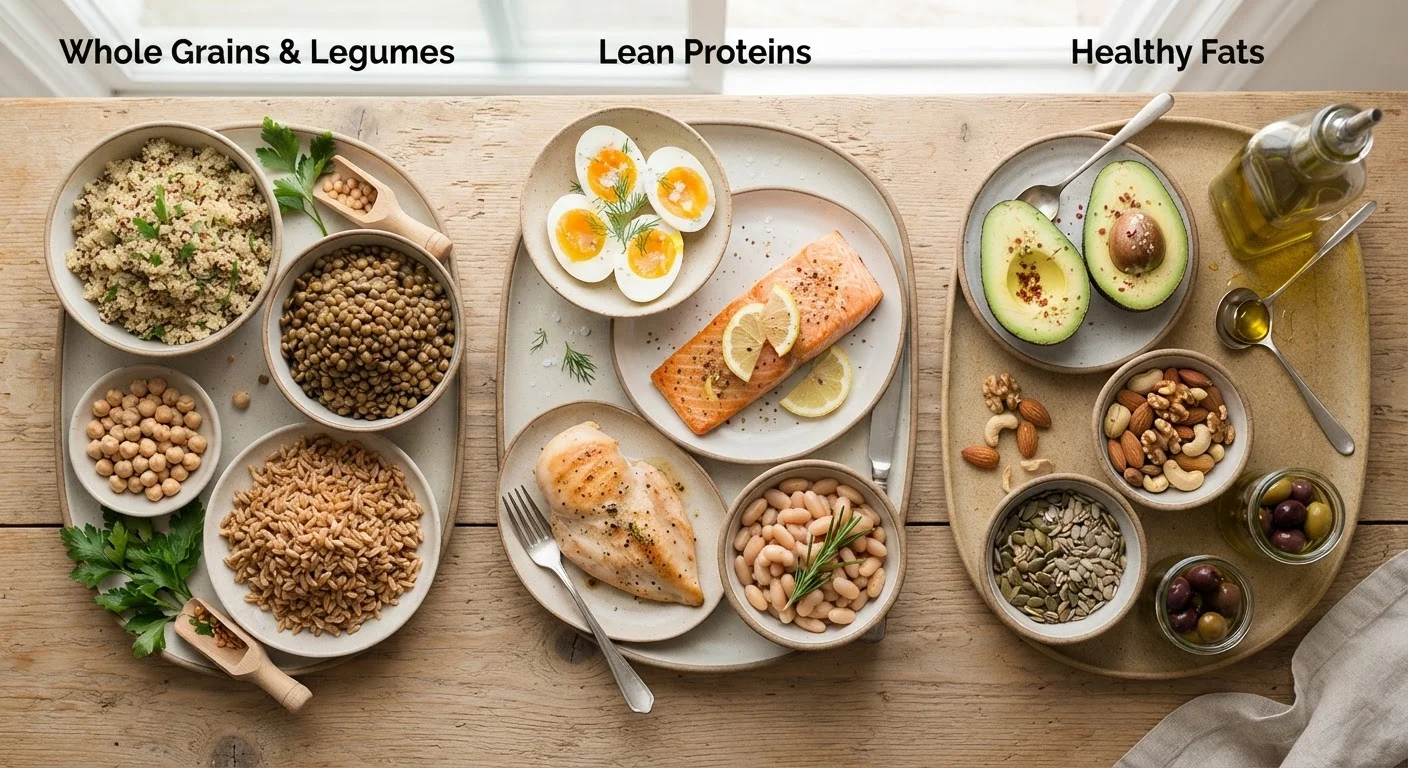
Photo: ArticleHood.com | Precision In Every Word editorial
Key Takeaways
- Carbohydrates are your body's preferred and most efficient fuel source, especially for the brain.
- Protein supplies the amino acids needed to build, repair, and maintain virtually every tissue in your body.
- Dietary fat is essential for absorbing fat-soluble vitamins and supporting hormone production.
- No macronutrient is inherently harmful - quality and overall dietary pattern matter most.
- Cutting out an entire macronutrient group is rarely necessary and may create nutritional gaps.
Why Macronutrients Matter
Every time you eat, you are delivering some combination of carbohydrates, protein, and fat to your body. These three macronutrients are not interchangeable - each one does specific work. Understanding what that work is can cut through the noise of contradictory diet headlines and help you make food choices grounded in how your body actually operates.
For a deeper look at how these numbers appear on food packaging, see our guide to reading a nutrition label. And if you want to separate popular diet myths from the evidence, nutrition myths that refuse to die is worth a read alongside this article.
45-65%
Recommended share of calories from carbohydrates
According to the Dietary Guidelines for Americans, carbohydrates should make up 45-65% of total daily calorie intake for most healthy adults.
10-35%
Recommended share of calories from protein
The Dietary Reference Intakes established by the National Academies of Medicine place the acceptable macronutrient distribution range for protein at 10-35% of total daily calories.
20-35%
Recommended share of calories from fat
The same National Academies framework recommends that dietary fat account for 20-35% of total daily calorie intake for adults.
Carbohydrates: Your Body's First-Choice Fuel
Carbohydrates are broken down into glucose - a simple sugar your cells use for energy. The brain is particularly dependent on glucose; it uses roughly 20% of your body's total energy supply and strongly prefers carbohydrate as its source. When carbohydrate intake is adequate, your body can focus protein on its primary jobs rather than converting it to fuel.
Not all carbohydrates behave the same way. Complex carbohydrates - found in whole grains, legumes, and vegetables - digest more slowly and come packaged with fiber, vitamins, and minerals. Simple carbohydrates - like those in table sugar or white bread - digest quickly and provide energy without much additional nutrition. Dietary fiber, technically a carbohydrate, passes largely undigested and plays a distinct role in gut health and blood sugar regulation.
Choosing Carbohydrates That Work Harder
Protein: Builder, Repairer, Regulator
Protein is made of smaller units called amino acids. Your body uses 20 different amino acids; nine of them are called essential because your body cannot make them - they must come from food. Animal proteins (meat, fish, eggs, dairy) tend to supply all nine essential amino acids in sufficient quantities. Many plant proteins are lower in one or more, which is why variety across plant sources - beans, lentils, soy, nuts, seeds, grains - helps cover all bases.
Protein's roles extend well beyond muscle: it forms enzymes that drive chemical reactions, antibodies that support immune function, hormones like insulin, and the structural scaffolding of skin, hair, and connective tissue. Protein also contributes to satiety - meals with adequate protein tend to keep hunger at bay longer than carbohydrate- or fat-heavy meals of equivalent calories.
Fat: Essential, Not the Enemy
Dietary fat carries fat-soluble vitamins - A, D, E, and K - into your body. Without enough fat in your diet, absorbing these nutrients becomes difficult regardless of how much of them you consume. Fat also forms the membrane of every cell in your body, supports brain development (the brain is roughly 60% fat by dry weight), and is the raw material for many hormones, including those that regulate inflammation and reproductive function.
Fats differ in their chemical structure, and those differences matter. Unsaturated fats - found in olive oil, avocados, nuts, and fatty fish - are associated with cardiovascular health in most research. Saturated fats - more abundant in red meat and full-fat dairy - remain a nuanced topic; current guidance generally recommends moderation rather than elimination. Trans fats, produced industrially through partial hydrogenation, are the one type with a clear, broad scientific consensus around limiting intake.
For a complementary look at how vitamins and minerals work alongside macronutrients, see our micronutrients reference guide.
“There are no bad foods, only bad diets. The totality of what we eat - not any single ingredient or macronutrient - determines whether our overall dietary pattern supports health.”
— Walter Willett, Professor of Epidemiology and Nutrition, Harvard T.H. Chan School of Public Health
Balance Over Elimination
Diet culture has a habit of casting each macronutrient as a villain in turn - fat was demonized in the 1980s, carbohydrates have been under fire since the early 2000s. The scientific evidence does not support eliminating any single macronutrient for the general healthy population. What it consistently does support is eating a varied diet rich in whole, minimally processed foods across all three categories.
The right distribution of macronutrients varies by individual, activity level, health status, and life stage. People with specific medical conditions - such as type 2 diabetes, kidney disease, or phenylketonuria - may have medically indicated reasons to adjust one macronutrient significantly. Those decisions belong in conversation with a qualified healthcare provider or registered dietitian, not derived from a general article.
This article is for general informational and educational purposes only and is not a substitute for professional medical or dietary advice. Always consult a qualified healthcare provider or registered dietitian before making significant changes to your diet, especially if you have an existing health condition.
Frequently Asked Questions
The content on this site is for informational purposes only and is not a substitute for professional advice. Always consult a qualified professional for guidance specific to your situation.