
Micronutrients at a Glance: A Reference to Vitamins and Minerals

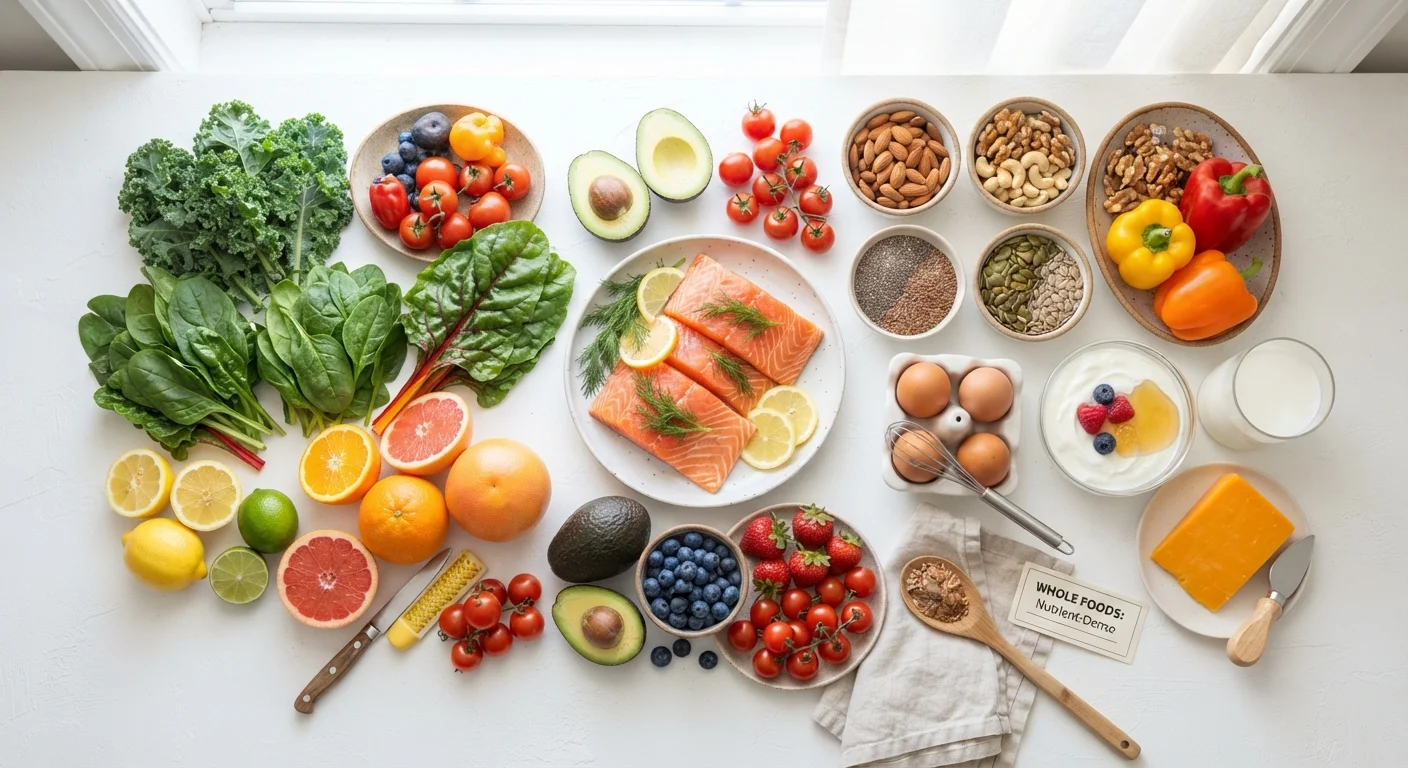
Photo: ArticleHood.com | Precision In Every Word editorial
What Are Micronutrients - and Why Do They Matter?
Vitamins and minerals are collectively called micronutrients - essential compounds your body needs in relatively small amounts to function properly. Unlike macronutrients like carbs, protein, and fat, micronutrients don't supply energy directly. Instead, they act as the behind-the-scenes operators: enabling enzyme reactions, supporting immune defense, building bone, synthesizing hormones, and helping cells repair themselves.
There are two broad categories to know:
- Vitamins - organic compounds divided into fat-soluble (A, D, E, K) and water-soluble (the B vitamins and vitamin C). Fat-soluble vitamins are stored in body fat and the liver; water-soluble ones are not stored as readily and need regular replenishment through food.
- Minerals - inorganic elements sourced from soil and water that enter our food supply through plants and animals. Major minerals (like calcium and potassium) are needed in larger amounts; trace minerals (like iron and zinc) in smaller quantities.
Because deficiencies often develop gradually, the signals can be easy to miss. Our guide to recognizing nutrient gaps explains the warning signs in detail.
Micronutrients
Vitamins and minerals that the body needs in relatively small amounts to carry out essential physiological processes. Unlike macronutrients, they don't provide calories but are critical for health.
Fat-soluble vitamins
Vitamins A, D, E, and K, which dissolve in fat and are stored in the body's fatty tissue and liver. Because they accumulate, very high doses from supplements can potentially reach harmful levels.
Water-soluble vitamins
The B vitamins and vitamin C, which dissolve in water and are not significantly stored by the body. Excess amounts are generally excreted in urine, so regular dietary intake is important.
Trace minerals
Minerals the body requires in very small amounts, such as iron, zinc, selenium, and manganese. Though tiny in quantity, they are no less essential than major minerals.
Daily Value (DV)
A reference amount set by the FDA representing how much of a nutrient a typical adult should consume per day. The % DV on food labels shows how a serving contributes to that target.
Heme iron
A form of iron found in animal foods - especially red meat, poultry, and fish - that is absorbed by the body more efficiently than non-heme iron from plant sources.
Key Vitamins: Functions and Food Sources
The table below summarizes the most nutritionally significant vitamins, what they do, and where to find them in everyday foods.
| Vitamin | Primary Role | Common Food Sources |
|---|---|---|
| A | Vision, immune function, skin cell turnover | Liver, eggs, dairy, carrots, sweet potato, leafy greens |
| C | Antioxidant, collagen synthesis, immune support | Citrus fruits, bell peppers, strawberries, broccoli |
| D | Calcium absorption, bone health, immune modulation | Fatty fish, egg yolks, fortified milk; synthesized via sunlight |
| E | Antioxidant, cell membrane protection | Nuts, seeds, vegetable oils, spinach |
| K | Blood clotting, bone metabolism | Kale, spinach, broccoli, fermented foods |
| B1 (Thiamin) | Energy metabolism, nerve function | Whole grains, pork, legumes |
| B12 | Red blood cell formation, nerve health, DNA synthesis | Meat, fish, dairy, eggs, fortified plant milks |
| Folate (B9) | DNA synthesis, cell division, fetal development | Leafy greens, legumes, fortified cereals, citrus |
~42%
U.S. adults with vitamin D insufficiency
Research published in Nutrition Research estimated that roughly 42% of U.S. adults have vitamin D insufficiency based on blood serum levels.
13
Essential vitamins recognized by nutrition science
Current nutritional science identifies 13 vitamins as essential for human health, each with distinct roles and dietary sources.
~10%
U.S. women with iron deficiency
The CDC has estimated that approximately 10% of U.S. women of childbearing age have iron deficiency, making it one of the most common nutrient shortfalls.
Note: Individuals who are pregnant, elderly, or managing chronic conditions have different micronutrient needs. Always consult a qualified healthcare provider before making significant changes to your diet or starting supplements.
Key Minerals: Functions and Food Sources
Minerals are indispensable to dozens of physiological processes, from fluid balance to oxygen transport. Here's a practical reference for the most important ones:
| Calcium daily need (adult) | 1,000-1,200 mg (NIH Office of Dietary Supplements) |
| Iron daily need (adult women 19-50) | 18 mg (NIH Office of Dietary Supplements) |
| Magnesium daily need (adult) | 310-420 mg (NIH Office of Dietary Supplements) |
| Zinc daily need (adult) | 8-11 mg (NIH Office of Dietary Supplements) |
| Potassium daily need (adult) | 2,600-3,400 mg (NIH Office of Dietary Supplements) |
| Selenium daily need (adult) | 55 mcg (NIH Office of Dietary Supplements) |
A few minerals worth highlighting:
- Calcium - the most abundant mineral in the body, primarily stored in bones and teeth. Beyond structural support, it plays a role in muscle contraction and nerve signaling. Found in dairy, fortified plant milks, tofu, and dark leafy greens like bok choy.
- Iron - essential for hemoglobin, the protein in red blood cells that carries oxygen throughout the body. Animal-sourced (heme) iron is absorbed more efficiently than plant-sourced (non-heme) iron; pairing plant iron with vitamin C improves absorption.
- Magnesium - involved in over 300 enzymatic reactions, including energy production, protein synthesis, and blood glucose regulation. Found in nuts, seeds, whole grains, and leafy greens.
- Zinc - critical for immune function, wound healing, and the sense of taste and smell. Richest sources include oysters, red meat, poultry, beans, and pumpkin seeds.
- Potassium - helps regulate fluid balance, nerve impulses, and blood pressure. Abundant in bananas, potatoes, avocados, and beans.
Understanding how nutrients appear on food packaging is also useful. Our plain-language guide to nutrition labels explains what the % Daily Value figures for vitamins and minerals actually mean.
Getting What You Need from Food - Practical Takeaways
For most healthy adults, a varied whole-food diet that includes vegetables, fruits, legumes, whole grains, and quality protein sources provides sufficient micronutrients without supplementation. A few practical principles:
- Eat the rainbow. Different pigments in fruits and vegetables signal different phytonutrients and micronutrients. Variety across colors is more effective than volume of a single food.
- Pair nutrients strategically. Fat-soluble vitamins (A, D, E, K) are absorbed better when eaten alongside a source of fat. Non-heme iron absorption improves significantly with vitamin C.
- Be mindful of cooking methods. Water-soluble vitamins - especially vitamin C and folate - are sensitive to heat and leach into cooking water. Steaming or roasting generally preserves more than boiling.
- Fortified foods fill common gaps. Vitamin B12 and vitamin D are two nutrients where many people - especially those following plant-based diets - may fall short. Fortified foods and, where appropriate, supplements can help, but discuss specifics with your healthcare provider.
This reference is a starting point, not a prescription. For a broader picture of how food fuels you, see our overview of macronutrients and explore the Food Explained hub for deeper dives into ingredients and dietary patterns.
This article is for general informational and educational purposes only and is not a substitute for professional medical or dietary advice. If you have concerns about your nutrient intake or health, consult a registered dietitian or qualified healthcare provider.
The content on this site is for informational purposes only and is not a substitute for professional advice. Always consult a qualified professional for guidance specific to your situation.