
Reading a Nutrition Label Without Getting Lost in the Numbers

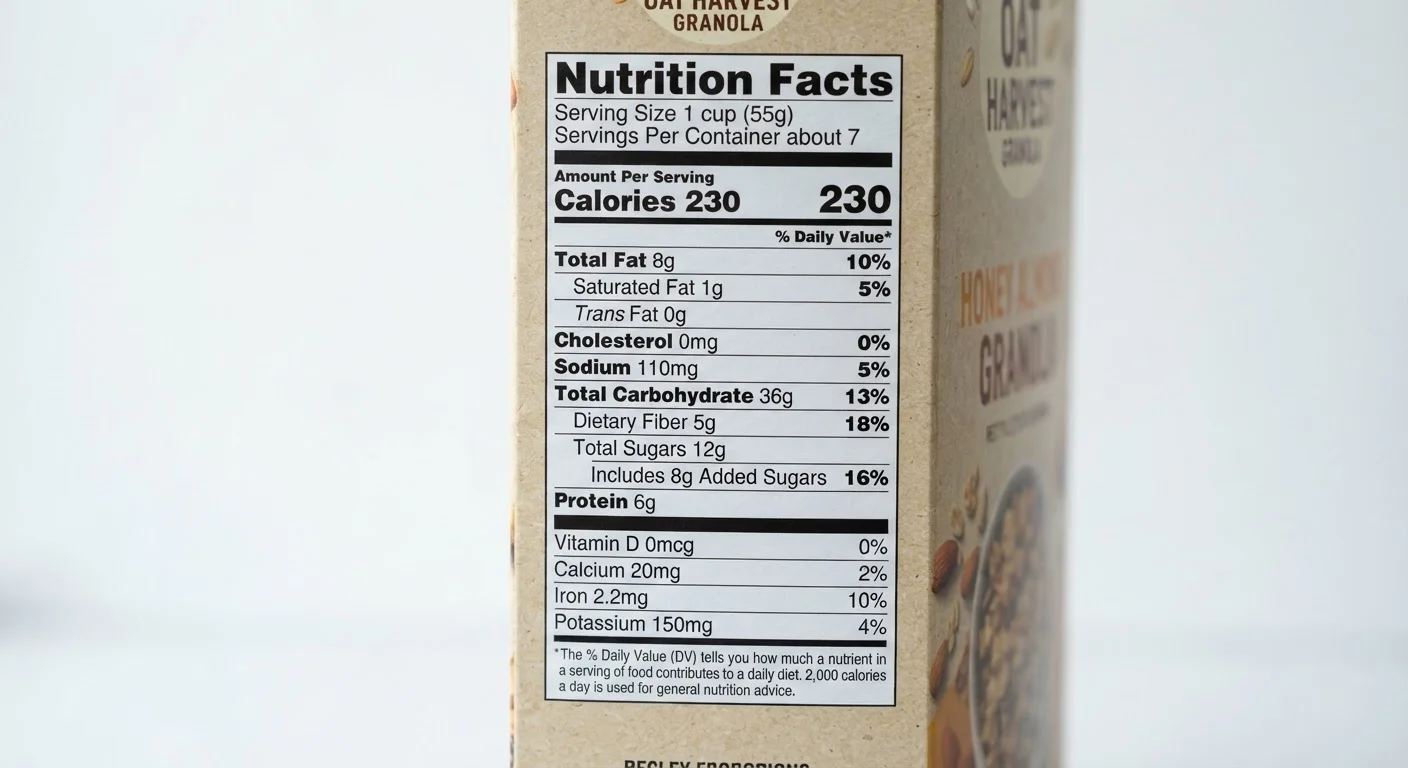
Photo: ArticleHood.com | Precision In Every Word editorial
Key Takeaways
- Serving size is the foundation of every other number on the label - always check it first.
- % Daily Value tells you how much a nutrient contributes to a standard 2,000-calorie daily diet.
- Nutrients to limit include saturated fat, sodium, and added sugars; aim to get enough fiber, vitamins, and minerals.
- Labels show what's in a food, not whether the food is healthy overall - context always matters.
- Calorie counts on labels are estimates, not exact figures, due to how food energy is calculated.
Why the Nutrition Facts Panel Is Worth Understanding
The Nutrition Facts panel is one of the most consistent, regulated pieces of consumer information on any grocery shelf. Required by the FDA on most packaged foods, it follows a standardized format - which means once you understand the structure, you can read virtually any label quickly and confidently. Yet research consistently shows that shoppers misread or misapply label information, often because the numbers are decontextualized. Understanding what each section actually means is the first step toward using labels as a genuine decision-making tool rather than a source of confusion.
This guide pairs with our broader coverage of what food labels are actually telling you, and complements our article on where consumers consistently misread nutrition panels.
Labels Inform - They Don't Replace Professional Advice
A packaged food item with a Nutrition Facts panel
Your hands-on reference for practicing each step as you read through this guide.
Notepad or notes app
Useful for jotting down serving sizes or nutrient targets as you compare multiple products.
How to Read a Nutrition Label Step by Step
Follow these steps with a real food package in hand. The more you practice, the faster the process becomes - most label reads take under a minute once the structure is familiar.
What you will need
Start with the Serving Size
The serving size is printed at the very top of the panel, directly below the bold 'Nutrition Facts' header. Every single number on the rest of the label - calories, grams of fat, milligrams of sodium - applies to one serving, not the whole package.
Check how many servings the container holds. A bag of chips labeled '3 servings per container' means eating the whole bag triples every nutrient figure you see. Serving sizes are standardized by the FDA based on amounts people typically eat, so they reflect realistic portions - but they may not match your actual portion. See our guide to portion size assumptions for more context.
Read the Calorie Count
Calories measure the energy a single serving provides. The number is displayed prominently because it's one of the most-referenced figures. Keep in mind that calorie counts are approximations - the Atwater system used to calculate food energy has known limitations, as explained in our article on why label calorie counts are always approximate.
Calorie needs vary significantly by age, body size, activity level, and health status. The label uses 2,000 calories per day as a general reference point, but this figure is not a universal target.
Understand the Nutrients to Limit
Below calories, the label lists total fat, broken down into saturated fat and trans fat, followed by cholesterol and sodium. Lower on the panel you'll find added sugars, listed beneath total sugars. Dietary guidance generally suggests most people benefit from keeping saturated fat, sodium, and added sugars on the lower end - though what 'lower' means for you personally depends on your overall diet and health. For a deeper look at how fat, carbohydrates, and protein function, see macronutrients demystified.
Look at the Nutrients to Encourage
Further down the panel you'll find nutrients many people fall short on: dietary fiber, vitamin D, calcium, iron, and potassium. The FDA requires these to be listed specifically because under-consumption is a common public health concern. Higher % Daily Values for these nutrients generally indicate a more nutrient-dense food. For a broader overview of vitamins and minerals, see micronutrients at a glance. Fiber deserves special attention - our fiber explainer covers why most Americans fall well short of recommended intake.
Decode the % Daily Value Column
The right-hand column shows % Daily Value (%DV) for most nutrients. This percentage tells you how much one serving contributes to a daily diet based on 2,000 calories. It's a relative benchmark, not a precise personal target, but it's a reliable tool for comparing foods and spotting nutrient density at a glance.
[tip_callout]Note that protein does not have a %DV listed because requirements vary so widely. Total sugars also lack a %DV - only added sugars carry one.
Check the Ingredient List Alongside the Label
The Nutrition Facts panel shows how much of each nutrient is present; the ingredient list tells you where those nutrients come from. Ingredients are listed in descending order by weight, so the first few ingredients make up the bulk of the product. Reading both together gives you a much fuller picture. Our guide to reading an ingredient list without getting lost walks through the conventions and naming patterns worth knowing.
Don't Stop at the Front of the Package
This article is for general informational and educational purposes only and is not a substitute for personalized dietary or medical advice. Consult a qualified healthcare professional for guidance specific to your health needs.
The content on this site is for informational purposes only and is not a substitute for professional advice. Always consult a qualified professional for guidance specific to your situation.