
Cooking Myths That Most Home Cooks Believe - and What's Actually True

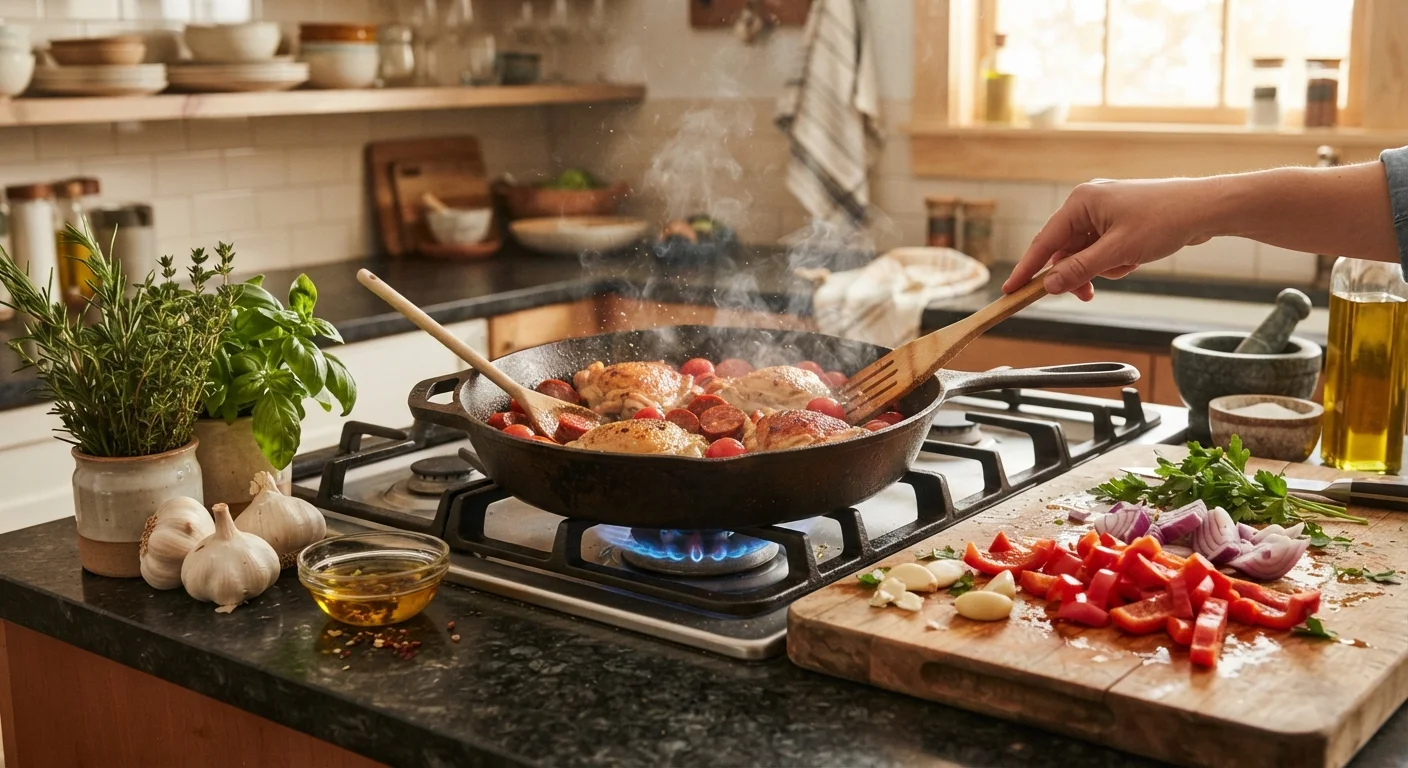
Photo: ArticleHood.com | Precision In Every Word editorial
Key Takeaways
- Searing meat does not seal in juices - it creates flavor through browning, not a moisture barrier.
- Rinsing raw chicken spreads bacteria around your sink and surfaces rather than removing it.
- Adding oil to pasta water does not prevent sticking - rinsing cooked pasta does more harm than good.
- A knife's sharpness matters more for safety than its size; dull blades cause more accidents.
- Food safety depends on internal temperature, not color - use a meat thermometer to be sure.
Why Kitchen Myths Are So Hard to Shake
Cooking knowledge has always traveled by word of mouth - from grandparents to parents to home cooks learning by watching. That oral tradition is rich and valuable, but it's also how plausible-sounding misinformation travels across generations without ever being questioned. Some of these beliefs feel so intuitive that they become kitchen gospel.
The good news: understanding the why behind these corrections doesn't just debunk the myths - it makes you a genuinely more confident cook. For a broader look at how science-based thinking applies in everyday life, our Food Explained hub covers ingredients, labels, and food science in accessible terms.
Myth
Searing meat seals in the juices, keeping it moist.
Fact
Searing creates flavor through a chemical process called the Maillard reaction, but it does not form a moisture barrier of any kind.
This myth dates back to a 19th-century chemist whose theory was never actually tested - yet it became embedded in cooking culture for over a century. When you sear meat, the high heat causes proteins and sugars on the surface to react and brown, creating hundreds of new flavor and aroma compounds. That's genuinely valuable. But seared meat still loses moisture during cooking - often as much as or more than unseared cuts, because higher heat accelerates moisture loss. What does preserve juiciness is resting the meat after cooking and avoiding overcooking it past its ideal internal temperature.
Myth
You should rinse raw chicken before cooking it to remove bacteria.
Fact
Rinsing raw chicken spreads bacteria to your sink, countertops, and nearby surfaces - it does not make chicken safer to eat.
The U.S. Centers for Disease Control and Prevention (CDC) and the USDA both advise against washing raw poultry for exactly this reason. Water splashing off the surface of raw chicken can carry Campylobacter, Salmonella, and other pathogens up to several feet across a sink basin and onto adjacent surfaces and utensils - a process called splash contamination. The only reliable method for destroying bacteria in raw chicken is thorough cooking to a safe internal temperature (165°F, as measured by a food thermometer). No amount of rinsing achieves this. Patting chicken dry before cooking is a legitimate technique - but the paper towel should go straight into the trash.
Myth
Adding oil to pasta cooking water prevents the noodles from sticking together.
Fact
Oil floats on water and doesn't coat pasta while it cooks; it can actually prevent sauce from adhering to the noodles later.
Because oil and water don't mix, any oil added to a boiling pot simply rises to the surface. It has negligible contact with the pasta while it's cooking. Worse, once pasta is drained, residual oil on the surface creates a slick coating that makes it harder for sauces to cling. The real solution to clumping is simpler: use enough water in the pot, stir the pasta during the first minute or two (when surface starch is most sticky), and sauce it promptly after draining - don't let cooked pasta sit in a colander and cool.
Myth
You can tell meat is fully cooked by checking its color.
Fact
Color is an unreliable indicator of doneness; only an accurate food thermometer confirms that meat has reached a safe internal temperature.
Ground beef can turn brown before it reaches a safe temperature, while some poultry can remain pink even when fully cooked - a phenomenon caused by the presence of myoglobin and certain cooking conditions. Relying on color alone has been linked to undercooking and foodborne illness. USDA guidelines specify internal temperatures for safety: 160°F for ground beef and 165°F for all poultry, measured with a calibrated instant-read thermometer at the thickest part of the meat, away from bone. This is one of the most straightforward food safety investments a home cook can make.
Myth
More heat always means faster, better cooking.
Fact
Higher heat is appropriate for some techniques but actively harmful for others - matching heat level to technique is fundamental to good results.
Cooking is largely about controlled heat transfer, and different foods and techniques call for very different temperatures. Boiling stock aggressively makes it cloudy and bitter; a gentle simmer extracts flavor while keeping it clear. Cooking eggs over high heat makes them rubbery; low-and-slow produces silky texture. Sautéing vegetables over medium-high heat preserves texture and color; the same heat applied to a braise toughens connective tissue rather than breaking it down. Understanding how heat behaves - rather than defaulting to the highest setting - is one of the most impactful skills a home cook can develop. See our guide on sautéing, frying, and stir-frying for a practical breakdown.
Food Safety Myths That Carry Real Risk
Some cooking myths are merely inefficient. Others create genuine food safety hazards. The two below are among the most consequential, because acting on them can increase - not decrease - the risk of foodborne illness in your home.
Don't Rely on Color Alone for Meat Safety
Understanding what heat actually does to food, and how cross-contamination works, is foundational to safe home cooking. Our article on food safety and temperature rules explains the science without jargon, and cross-contamination in the kitchen breaks down exactly how bacteria spread during prep.
Putting Accurate Technique Into Practice
Replacing a myth with a fact only helps if you know what to do instead. Here's how the corrected science translates into real kitchen habits:
- For juicier meat: Rest cuts after cooking. Resting allows muscle fibers to reabsorb liquid. Five to ten minutes for a steak or chicken breast makes a measurable difference.
- For non-sticky pasta: Use adequately salted water in a large pot, stir during the first two minutes of cooking, and sauce the pasta immediately after draining. Learn more about how salt actually works in cooking.
- For safe chicken: Pat it dry with paper towels (discarding them immediately) rather than rinsing. Achieve food safety through proper cooking temperature - 165°F internal, verified with a thermometer.
- For consistent results: Learn to read heat rather than just follow time. Our guide on simmering vs. boiling explains why temperature level - not just timing - shapes the outcome of a dish.
48M
Americans affected by foodborne illness annually
According to CDC estimates, roughly 48 million Americans experience a foodborne illness each year, with a significant share linked to improper home food handling.
165°F
Safe internal temp for all poultry
The USDA sets 165°F as the minimum safe internal temperature for all poultry - a figure verified only by a food thermometer, not by visual inspection.
If you're curious about other persistent food and nutrition misconceptions, our article on nutrition myths that refuse to die covers some of the most stubborn beliefs about what we eat and why they persist.
This article is for general informational purposes only and is not a substitute for professional culinary or food safety guidance. For questions about food safety during pregnancy, illness, or for young children, consult a qualified healthcare professional or registered dietitian.
The content on this site is for informational purposes only and is not a substitute for professional advice. Always consult a qualified professional for guidance specific to your situation.