
Food Safety in the Home Kitchen: What the Temperature Rules Are Really About

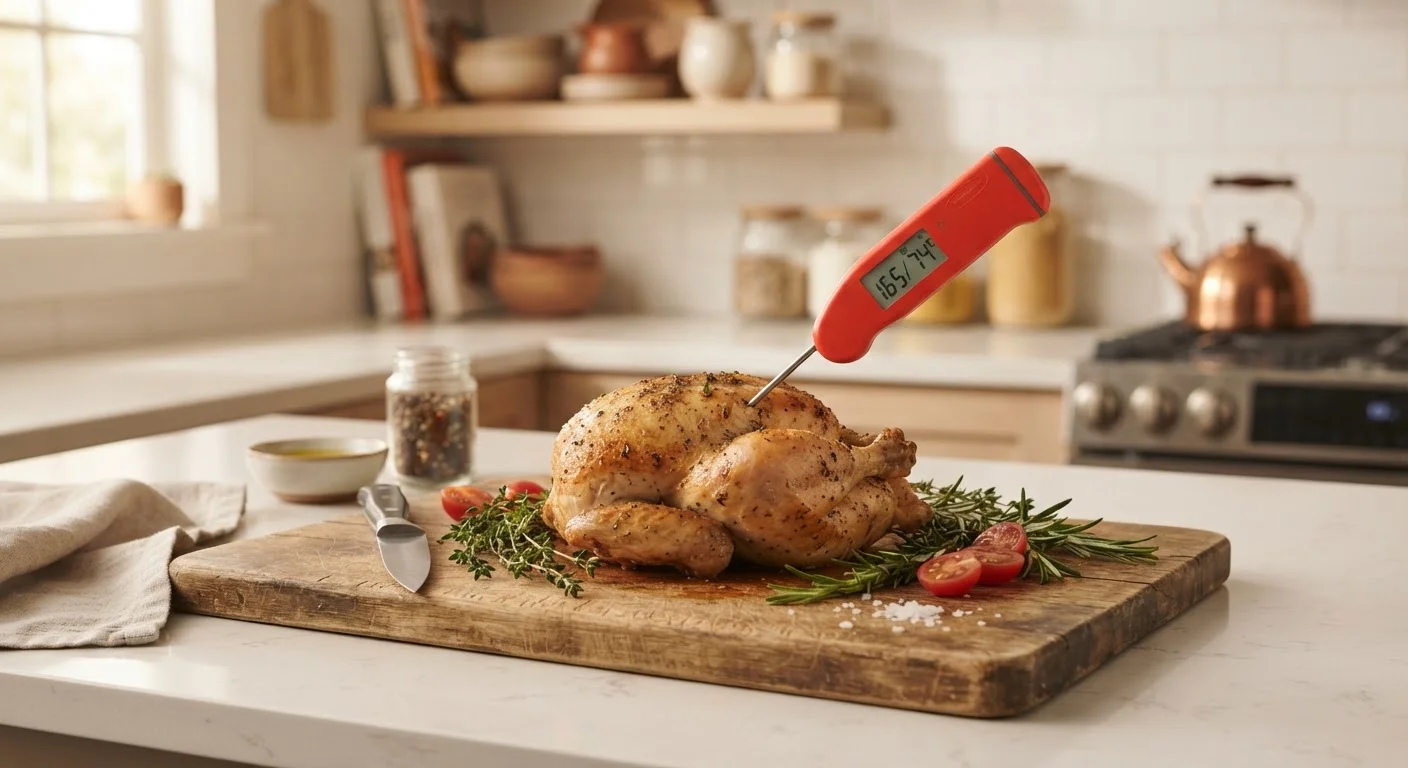
Photo: ArticleHood.com | Precision In Every Word editorial
Key Takeaways
- Bacteria multiply fastest between 40°F and 140°F - this range is called the danger zone.
- Safe internal cooking temperatures vary by food type; a thermometer is the only reliable way to verify doneness.
- The 2-hour rule limits how long perishable food can safely sit at room temperature.
- Refrigerators should stay at or below 40°F; freezers at 0°F or below.
- Food safety rules are grounded in microbiology, not tradition or overcaution.
Why Temperature Rules Exist at All
Food safety guidelines can feel like bureaucratic caution - a list of rules designed to make cooking more complicated. In reality, they reflect straightforward microbiology. Bacteria that cause foodborne illness - including Salmonella, Listeria, and E. coli - are not random. They thrive under predictable conditions, and temperature is the most controllable of those conditions.
You cannot see, smell, or taste most dangerous bacteria on food. That's the core problem food safety rules solve. Guidelines from the USDA and the FDA are designed to interrupt bacterial growth before it reaches levels that cause illness. Understanding the why behind these rules makes them easier to follow - and easier to trust.
For a broader look at what home cooks often misunderstand, see our guide to common cooking myths.
Food Safety Is About Risk Reduction
The Danger Zone: 40°F to 140°F
This 100-degree window is where bacterial multiplication happens fastest. Within it, harmful bacteria can double in number roughly every 20 minutes under ideal conditions. That's why leaving a pot of soup on the counter to cool for three hours before refrigerating it - a common habit - can allow bacteria to reach unsafe levels even if the soup was properly cooked.
The practical rules that follow from this are:
- Refrigerate perishable food within 2 hours of cooking or serving (1 hour if the room is above 90°F).
- Keep your refrigerator at or below 40°F and your freezer at 0°F - use an appliance thermometer if you're unsure.
- Don't thaw meat at room temperature. The outside reaches the danger zone while the inside is still frozen.
48 million
Americans affected by foodborne illness annually
According to the CDC, roughly 48 million people in the US experience foodborne illness each year, with a significant portion of cases linked to improper food handling at home.
2 hours
Maximum safe time in the danger zone
The USDA guidelines state that perishable food should not remain between 40°F and 140°F for more than 2 cumulative hours before being refrigerated or discarded.
20 min
How quickly bacteria can double in the danger zone
Under optimal conditions within the temperature danger zone, many foodborne pathogens can double their population approximately every 20 minutes.
The 2-hour rule applies cumulatively. If food sat out for an hour at the party and another hour on the drive home, it has used its safe window.
Safe Internal Temperatures: What They Mean and How to Use Them
Cooking food to a safe internal temperature destroys the bacteria present at that point. The temperature required varies by food type because different pathogens have different heat tolerances, and the structure of the food matters - ground meat, for instance, distributes surface bacteria throughout during processing, which is why it requires a higher temperature than whole cuts.
| Food Type | Safe Internal Temperature |
|---|---|
| Poultry (all types) | 165°F |
| Ground beef, pork, lamb | 160°F |
| Whole cuts of beef, pork, lamb, veal | 145°F + 3-minute rest |
| Fish and shellfish | 145°F |
| Egg dishes | 160°F |
A food thermometer inserted into the thickest part of the food - away from bone, fat, or gristle - gives you the only reliable reading. Color is not a dependable guide; chicken can look pink and be fully safe, or look white and still be undercooked in the center.
Invest in an Instant-Read Thermometer
Understanding heat application itself is also worth mastering. Our article on understanding stovetop heat explains what different burner settings actually do to food.
Cold Storage, Leftovers, and the Risks People Miss
Refrigeration doesn't kill bacteria - it slows their growth dramatically. That distinction matters when you're deciding how long leftovers are safe. Most cooked foods kept at or below 40°F are safe for 3 to 4 days. Beyond that, even food that looks and smells fine may carry enough bacteria to cause illness.
A few common oversights worth knowing:
- Large batches cool unevenly. A big pot of stew placed whole in the refrigerator can take hours to drop below 40°F in the center. Divide large portions into shallow containers to speed cooling.
- Reheating to 165°F matters. Leftovers should be reheated thoroughly - not just warmed through. Note that reheating does not neutralize toxins already produced by some bacteria before storage.
- Freezing pauses the clock, not indefinitely. Frozen food stays safe to eat indefinitely in terms of pathogens, but quality deteriorates. Most cooked foods are best consumed within 2-3 months.
Cross-contamination is a related risk that works alongside temperature mismanagement. See our explainer on cross-contamination in the kitchen for a clear breakdown of how it happens and how to prevent it.
This article is for general informational purposes only and does not constitute medical or health advice. If you experience symptoms of foodborne illness, consult a qualified healthcare professional.
Frequently Asked Questions
The content on this site is for informational purposes only and is not a substitute for professional advice. Always consult a qualified professional for guidance specific to your situation.