
Getting Comfortable with Heat: Understanding Your Stovetop Across Different Recipes

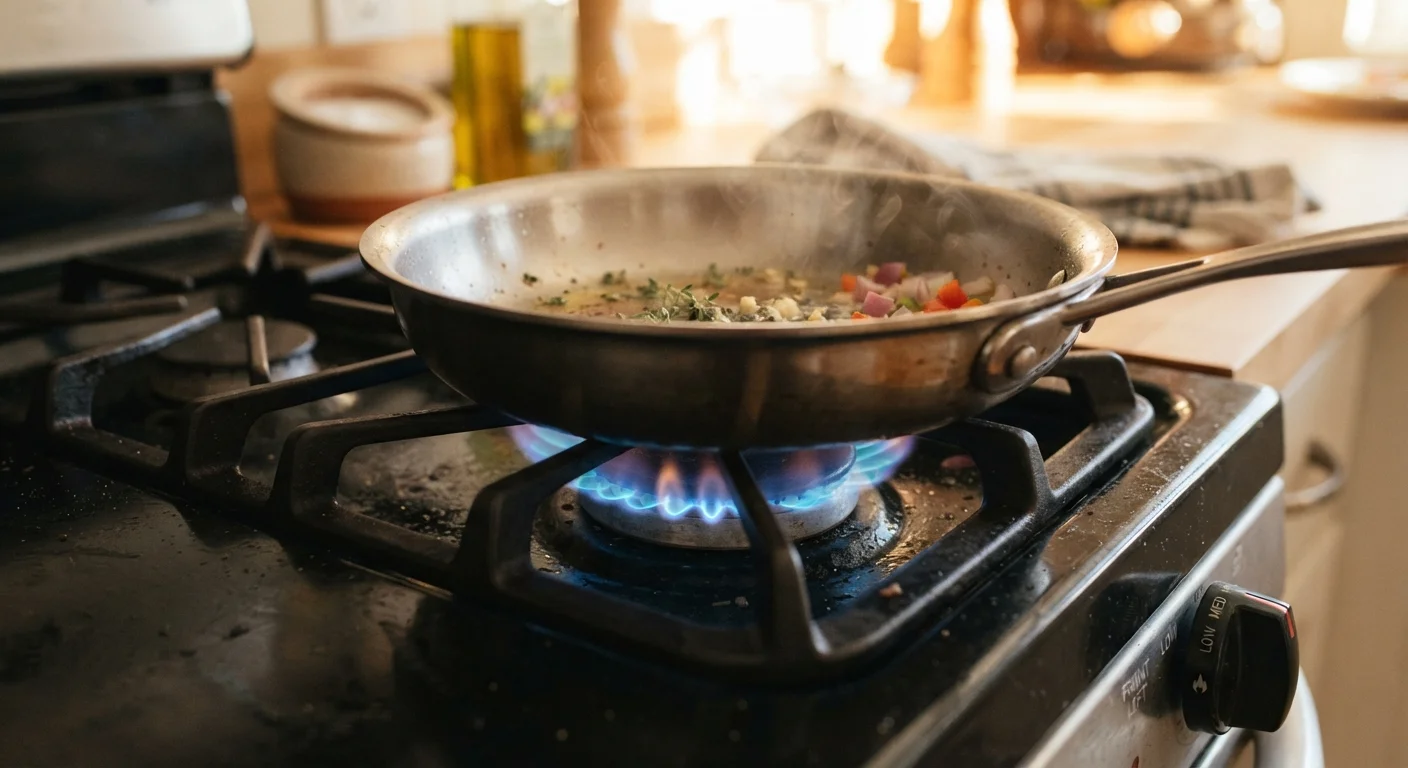
Photo: ArticleHood.com | Precision In Every Word editorial
Key Takeaways
- Low, medium, and high heat serve distinct purposes - using the wrong one is a leading cause of recipe failure.
- Stovetop heat settings are guides, not absolutes; every stove runs differently and requires adjustment.
- Learning visual and auditory cues like sizzle, steam, and color is more reliable than relying on dial numbers alone.
- Most beginners cook at heat that is too high, burning the outside before the inside is done.
- Preheating a pan before adding food significantly improves browning and prevents sticking.
What Heat Settings Actually Mean
Every stovetop dial runs from low to high, but those labels describe relative energy output, not precise temperatures. A "medium" setting on one stove may deliver noticeably more or less heat than medium on another, depending on whether it's gas, electric coil, or induction, and how old or well-maintained the appliance is.
Rather than chasing exact numbers, it's more useful to understand what each heat level is designed to do:
- Low heat keeps food warm or coaxes it through slow, gentle cooking - think melting butter, warming sauces, or holding a finished dish until serving.
- Medium-low is ideal for softening aromatics like onions and garlic without browning them, and for cooking eggs slowly so they stay tender.
- Medium is the workhorse setting for most everyday cooking: sautéing vegetables, cooking chicken breasts through, or building a pan sauce.
- Medium-high is where browning and searing happen. A steak, a piece of fish, or a batch of stir-fry needs this kind of heat to develop color and flavor.
- High heat is mostly reserved for boiling water and flash-cooking thin items. It's rarely the right call for extended cooking.
If you've ever wondered why a recipe feels vague about temperature, our guide on interpreting recipe instructions can help you decode the intent behind those directions.
Why Most Home Cooks Run Too Hot
Impatience is the most common stovetop mistake. When a pan doesn't seem to be doing anything, the instinct is to crank the dial up - which often leads to scorched exteriors and raw centers, or a sauce that burns at the bottom of the pot before it finishes cooking through.
The fix is counterintuitive: slow down and trust the process. A medium flame, given enough time, will safely cook chicken all the way through without charring the outside. A low simmer will develop a richer soup flavor than a rapid boil ever could. Understanding the difference between a simmer and a boil is foundational - our article on simmering vs. boiling explains why that distinction matters more than most cooks realize.
High Heat Is Not a Time-Saver
Food safety is also part of the heat conversation. Cooking proteins at too low a heat for too long, or pulling them off early, can leave the interior in an unsafe temperature range. For a plain-language explanation of safe cooking temperatures, see our guide to food safety in the home kitchen.
Reading the Pan, Not Just the Dial
The most reliable way to manage stovetop heat is to watch and listen to what's happening in the pan. Your senses are better calibrated to actual cooking conditions than any dial marking.
Let Your Senses Guide You
Here are the signals that matter most:
- Shimmering oil means your pan is ready for vegetables or proteins that need to sear. If the oil smokes immediately, the heat is too high.
- A steady, moderate sizzle when food hits the pan indicates correct temperature. A violent splatter suggests too much heat; total silence means not enough.
- Gentle bubbling in a liquid indicates a proper simmer. Large, rolling bubbles signal a full boil - appropriate for pasta water, not for a delicate sauce.
- Steam rising steadily from food is a sign that moisture is cooking off at a reasonable rate. Excessive steam with rapid evaporation often means the pan is overcrowded or too hot.
These cues connect directly to why some recipes fail - issues that go well beyond just heat management. Our article on why recipes fail walks through the broader set of variables worth understanding.
The content on this site is for informational purposes only and is not a substitute for professional advice. Always consult a qualified professional for guidance specific to your situation.