
Reading a Recipe Without Getting Tripped Up by the Small Details

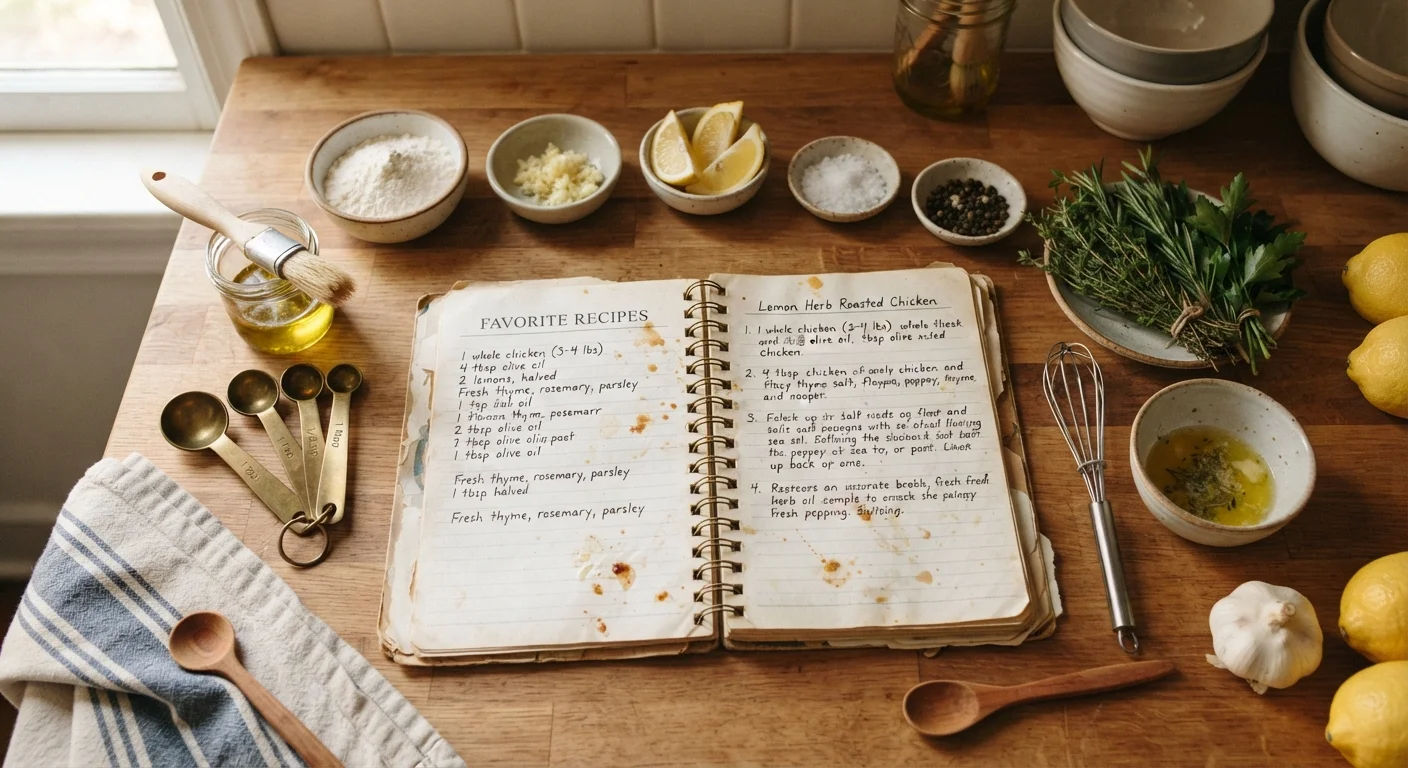
Photo: ArticleHood.com | Precision In Every Word editorial
Key Takeaways
- Always read the entire recipe through once before touching a single ingredient.
- Ingredient quantities listed before a comma (e.g., "1 cup flour, sifted") are measured before prep; after a comma means prep happens first.
- Vague heat and timing instructions are guides, not guarantees - trust visual and textural cues too.
- Unfamiliar techniques or equipment identified early give you time to look them up or substitute.
- Understanding measurement conventions prevents the most common volume-versus-weight errors.
Why Recipe Language Trips People Up
Recipes are written to be concise, which means they compress a lot of assumption into a few words. A direction like "fold in until just combined" carries specific meaning - but if nobody ever explained what "fold" means versus "stir," that phrase is a stumbling block waiting to happen. The same goes for ambiguous timing cues, implied prep steps, and inconsistent use of measurement terms.
This isn't a skill gap - it's a knowledge gap, and it's easily closed. Most recipe failures trace back to a handful of predictable misreads. Our companion piece on why recipes fail explores those patterns in depth. This guide focuses specifically on the reading itself: how to scan, decode, and approach a recipe so that the cooking goes smoothly.
What you will need
How to Read a Recipe Step by Step
The following steps walk you through a systematic pre-cook read-through. Treat this as a habit to build once, then carry into every new recipe you try.
Read the entire recipe from start to finish
Before prepping a single ingredient, read the recipe in full - headnote, ingredient list, and all instructions. This reveals the overall structure: how many stages there are, whether anything needs to be made ahead (a sauce, a marinade, a resting period), and roughly how long the whole process takes.
Flag any unfamiliar terms or techniques
As you read, mark any word or instruction you don't fully understand - "blanch," "deglaze," "julienne," "fold." Look these up before you start cooking, not during. Stopping mid-cook to search a term often means something overcooks or cools down at the wrong moment.
Check that you have all the equipment
Ingredient lists are prominent; equipment lists often aren't. Scan the method for mentions of specific pan sizes, tools, or appliances - a 9×13 baking dish, a stand mixer, a candy thermometer. Discovering mid-recipe that you don't have the right equipment is a genuine problem for timing-sensitive dishes.
Decode the ingredient list carefully
Re-read the ingredient list with close attention to phrasing. Note comma placement (see the section below), any ingredients described as "divided" (meaning used in more than one step), and any that require advance preparation such as softened butter or room-temperature eggs. Practicing mise en place - prepping and measuring everything before you start - helps you catch these details before they matter.
Identify the timing-critical steps
Some steps demand your undivided attention - a caramel that burns in seconds, a steak that must rest before slicing, a sauce that needs constant stirring. Knowing in advance which moments are genuinely time-sensitive helps you plan around them and avoid splitting your attention at the wrong time.
The Two-Read Rule
The Details That Catch Even Careful Cooks Off Guard
The comma rule for ingredients
One of the most consistently misunderstood recipe conventions involves where a comma falls in an ingredient line. "1 cup walnuts, chopped" means measure a full cup of whole walnuts, then chop them. "1 cup chopped walnuts" means chop first, then measure. The difference in quantity can be significant - chopped walnuts pack more densely into a cup than whole ones.
Heat descriptions are relative
"Medium heat" means different things on different stovetops. When a recipe says medium, it's describing an expected result - a gentle sizzle, not a furious boil. Our guide to understanding stovetop heat explains how to calibrate these instructions to your actual equipment.
Timing is a guide, not a timer
Recipe times are typically tested in a specific kitchen with specific equipment. Your oven may run hot or cool by 25°F or more. A thicker pan retains heat differently than a thin one. Always start checking for doneness a few minutes before the stated time, and use sensory cues - color, texture, aroma - as your primary signals.
Volume versus weight
"1 cup of flour" sounds precise but can vary considerably depending on how you scoop. Spoon flour lightly into the cup and level it off; scooping directly from the bag compresses it. For baking especially, weight measurements in grams or ounces are more reliable. Our piece on kitchen measurement conventions breaks this down fully.
Don't Skip Food Safety Details
The content on this site is for informational purposes only and is not a substitute for professional advice. Always consult a qualified professional for guidance specific to your situation.