
Vehicle Ownership from Purchase to Sale: The Complete Financial Picture

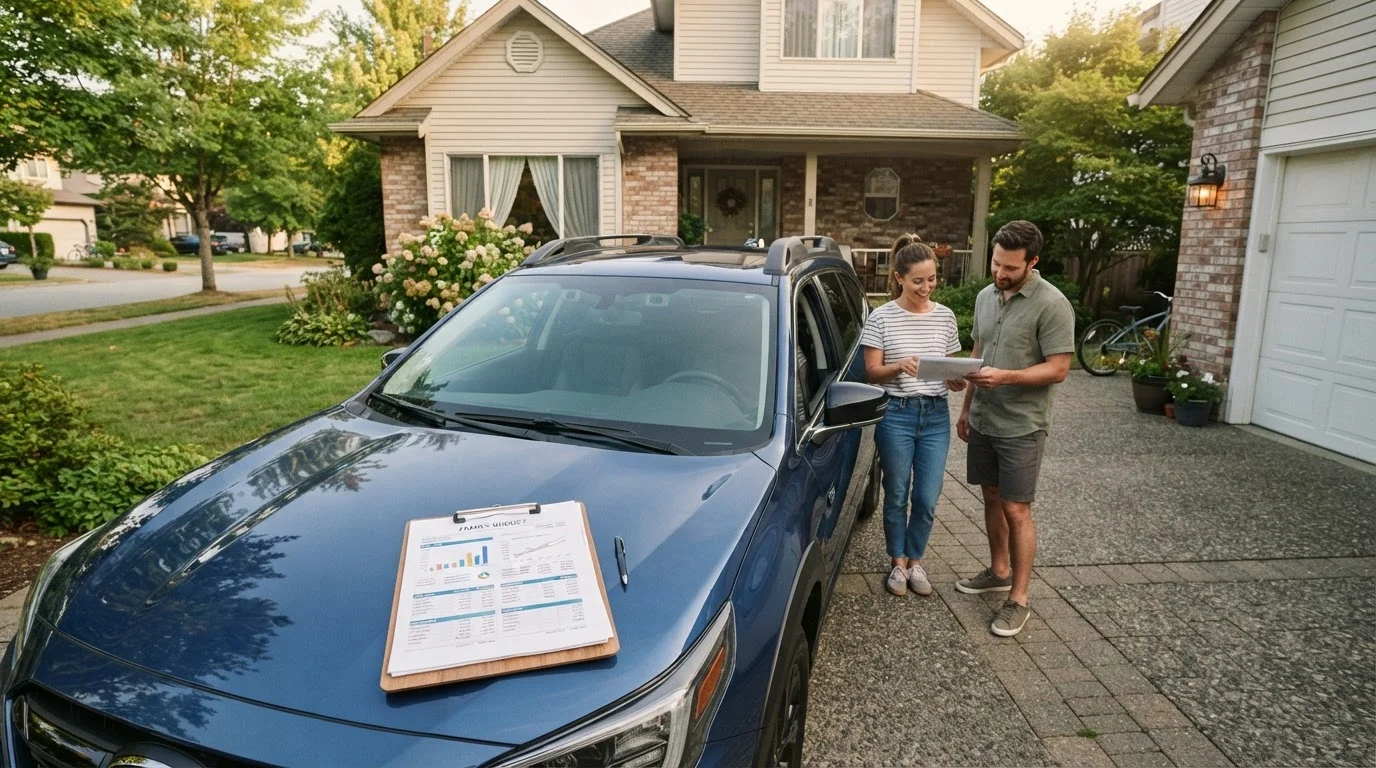
Photo: ArticleHood.com | Precision In Every Word editorial
Key Takeaways
- The sticker price is only a fraction of what you'll actually spend on a vehicle.
- Interest on an auto loan can add thousands of dollars to your total ownership cost.
- Most new vehicles lose roughly 20% of their value in the first year alone.
- Keeping up with scheduled maintenance protects both safety and resale value.
- Private-party sales typically yield more money than dealer trade-ins.
- Understanding all costs upfront helps you choose a vehicle that fits your real budget.
The True Cost of Buying a Vehicle
The advertised price of a car is rarely what you end up paying. Once you factor in sales tax, title and registration fees, documentation fees, and any dealer-installed add-ons, the out-of-pocket figure at signing can run several thousand dollars higher than the sticker. In many states, sales tax alone on a $30,000 vehicle exceeds $2,000.
Before you settle on a purchase, build a full acquisition budget that includes:
- Sales tax - rates vary significantly by state and sometimes by county
- Title and registration - typically $100-$500 depending on your state
- Documentation fees - commonly $200-$600, though some states cap these
- Down payment - a larger down payment reduces your loan balance and total interest paid
Out-the-Door Price Is What Matters
Understanding these line items before you sit at a dealership table puts you in a much stronger position to ask questions and avoid surprises.
Financing and the Long-Term Price of Borrowing
Most Americans finance their vehicle purchase. According to Experian's State of the Auto Finance Market reports, the average new-car loan term has stretched well past 60 months in recent years, and average interest rates fluctuate with broader economic conditions. The longer your loan term, the lower your monthly payment - but the more interest you pay overall.
On a $30,000 loan at 7% APR, a 48-month term costs roughly $3,200 in total interest. Stretch that to 72 months and you pay closer to $4,900 in interest on the same principal. That gap grows even wider at higher rates.
Get pre-approved for an auto loan from a bank or credit union before visiting a dealership. This gives you a concrete rate to compare against any financing offered at the point of sale.
Set aside a dedicated vehicle emergency fund of at least $500-$1,000 to cover unexpected repairs without disrupting your monthly budget.
If you can make extra principal payments without a prepayment penalty, doing so early in the loan's life saves the most in interest charges. Always read the loan agreement for prepayment terms before signing.
This article provides general financial information for educational purposes and is not personalized financial or lending advice. Consult a licensed financial professional regarding your specific situation.
Insurance: What You're Required to Carry
Every U.S. state requires some form of auto insurance, though minimum coverage levels differ. Liability coverage - which pays for damage and injuries you cause to others - is the universal baseline. Beyond that, lenders typically require comprehensive and collision coverage on financed vehicles to protect their collateral.
Common coverage types include:
- Liability - legally required in nearly all states
- Collision - covers your vehicle after an at-fault accident
- Comprehensive - covers theft, weather, and non-collision damage
- Uninsured/underinsured motorist - protects you if the other driver lacks sufficient coverage
Annual premiums are shaped by your driving record, location, vehicle type, credit history (in most states), and the coverage levels you choose. Reviewing your policy annually and comparing quotes from multiple insurers is a reasonable habit - just keep in mind that coverage quality matters alongside price. Safe driving directly influences your premium over time. For guidance on building strong road habits, see our safe driving resource hub.
Routine Maintenance and Unexpected Repairs
AAA research has consistently estimated that routine maintenance and tires account for a meaningful share of annual vehicle operating costs. Oil changes, brake service, tire rotations, air filters, and fluid checks are predictable expenses - but many owners treat them as optional until something breaks, which typically costs far more.
~20%
New car value lost in first year
Industry data consistently shows new vehicles depreciate steeply in the first 12 months, with rates varying by model and market demand.
$1,000+
Estimated annual maintenance cost
AAA's annual 'Your Driving Costs' studies estimate routine maintenance and tire expenses for average drivers typically exceed $1,000 per year.
72 months
Average new-car loan term (recent trend)
Experian's auto finance market data shows six-year loan terms have become increasingly common, raising total interest paid significantly.
Skipping scheduled service doesn't just risk reliability; it can void manufacturer warranties and reduce resale value. Keeping a log of every service visit is one of the simplest things you can do to protect the vehicle's worth when it's time to sell.
For a practical look at what to check and when, our car maintenance hub covers schedules and common service items in plain language.
Keep Every Service Record
Depreciation and What It Means at Resale
Depreciation is the single largest cost most vehicle owners never directly see - it shows up only when you try to sell. A new vehicle commonly loses around 15-20% of its value in the first year and roughly 50% over five years, though actual rates vary by make, model, mileage, and market conditions.
“Depreciation is the cost most car buyers never budget for because it doesn't show up on a monthly statement - but over five years, it's often the biggest expense of ownership.”
— Greg Brannon, Director of Automotive Engineering, AAA
High-mileage vehicles, those with accident history on their vehicle history report, and cars with deferred maintenance typically fetch lower offers. Understanding this helps you make a more informed choice between new and used at purchase time - a three-year-old vehicle, for example, has already absorbed much of its steepest depreciation.
Getting the Most When You Sell or Trade In
When it's time to move on, you generally have three options: trade in at a dealership, sell to a third-party car-buying service, or sell privately. Each involves different trade-offs in convenience, time, and net proceeds.
- Trade-in - fast and handled by the dealer, but offers tend to be lower than market value
- Third-party buyers - quick offers from various buying services, often slightly better than trade-in
- Private sale - typically yields the highest net price but requires more time, effort, and safety awareness when meeting buyers
Regardless of which route you choose, clean the vehicle thoroughly, gather all service records, and obtain an independent valuation from a trusted pricing resource before any negotiation. Transparency about the vehicle's condition builds trust and often supports a better outcome.
Watch for Seller Scams in Private Sales
The financial journey of vehicle ownership stretches from the day you sign to the day you hand over the keys. Treating each phase - acquisition, financing, insurance, maintenance, and resale - as part of one connected picture gives you the clearest view of what a vehicle truly costs and what you can realistically afford.
The content on this site is for informational purposes only and is not a substitute for professional advice. Always consult a qualified professional for guidance specific to your situation.