
Sleep Hygiene: The Habits That Actually Influence Sleep Quality

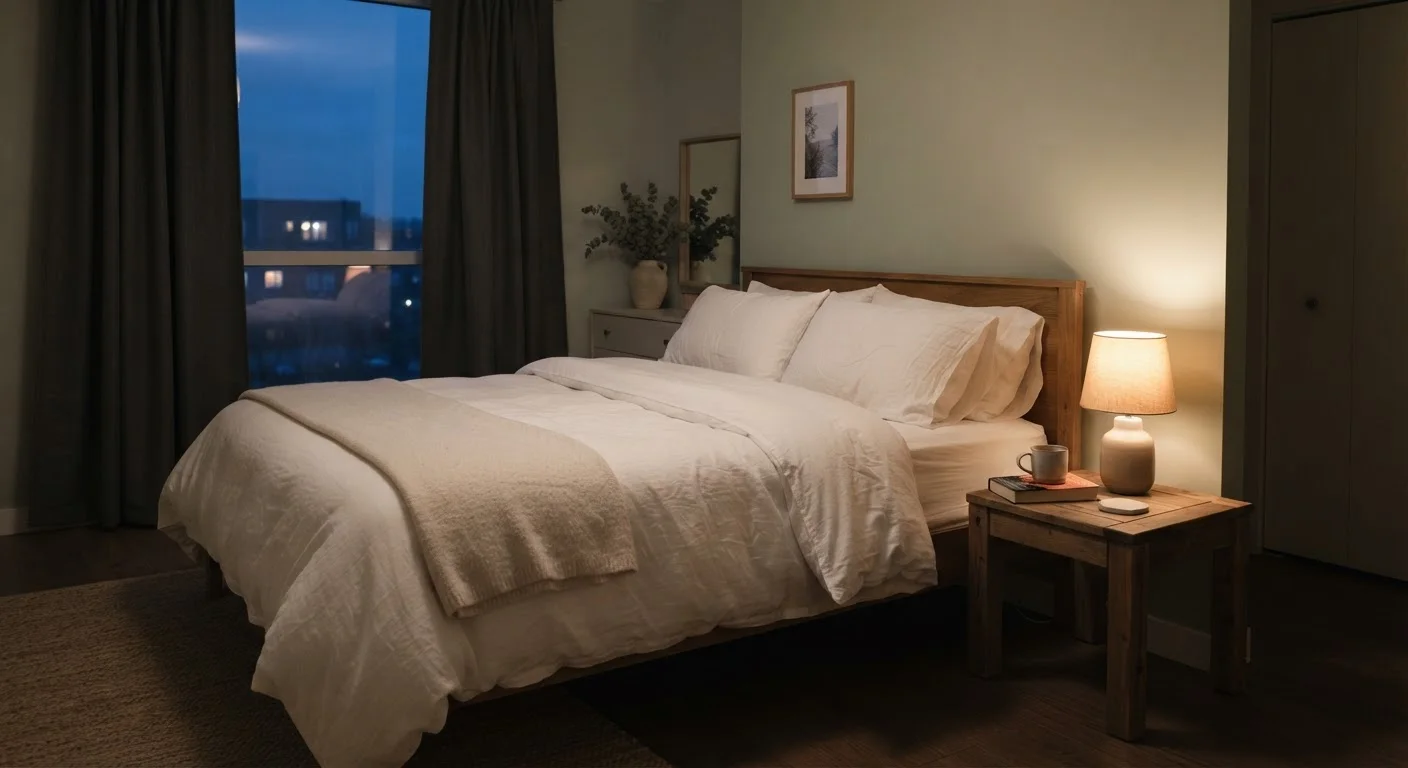
Photo: ArticleHood.com | Precision In Every Word editorial
Key Takeaways
- Consistent sleep and wake times regulate your body's internal clock more effectively than any supplement.
- Light exposure - both morning and evening - has a measurable impact on when you feel sleepy.
- Caffeine's stimulating effects can persist for six or more hours after consumption.
- A cool, dark, and quiet bedroom environment supports deeper, more restorative sleep.
- Sleep hygiene habits compound over time; short-term fixes rarely address chronic poor sleep.
What Sleep Hygiene Actually Means
The phrase "sleep hygiene" gets used casually, but it has a precise meaning in behavioral sleep medicine: it refers to the set of practices, habits, and environmental conditions that support consistently good sleep. Unlike medication or therapy, sleep hygiene is entirely within your daily control - which makes it both accessible and, when ignored, easy to undermine.
Not every recommendation carries equal scientific weight. Some habits have robust evidence behind them; others are plausible but less studied. This article focuses on the practices with the strongest support from sleep research, while being clear about the difference between well-established findings and reasonable guidance with less certainty. For context on how sleep quality affects more than just energy, see our article on how sleep and stress influence appetite.
This article is for general informational purposes only and is not a substitute for medical advice. If you experience persistent sleep difficulties, consult a qualified healthcare professional.
The Practices That Have the Strongest Evidence
Research consistently points to a core group of behaviors that meaningfully influence sleep quality for most adults. These are not optional extras - they form the foundation of any serious approach to better sleep.
Keep your sleep and wake times consistent every day, including weekends.
Get natural light exposure within an hour of waking up.
Limit caffeine intake in the afternoon and evening.
Dim artificial lighting and minimize screen brightness in the evening.
Keep your bedroom cool, dark, and as quiet as possible.
“Sleep is not a luxury. It is a non-negotiable biological necessity and the foundation of good mental and physical health.”
— Matthew Walker, Professor of Neuroscience and Psychology, University of California, Berkeley; author of research and writing on sleep science
Quick Wins You Can Apply Tonight
If you're looking to make an immediate difference, a handful of targeted actions can shift conditions in your favor without requiring any major lifestyle overhaul. These won't fix chronic sleep problems on their own, but they create a better starting point. Sleep hygiene is best understood as a long-term investment - consistent with the broader evidence reviewed in our guide to health habits that work over time.
Common Misconceptions About Sleep Hygiene
Several widely repeated ideas about sleep are either overstated or misunderstood. Clarifying these helps set realistic expectations.
When Sleep Hygiene Isn't Enough
One of the most common misconceptions is that "catching up" on sleep over the weekend can fully offset a week of short nights. While some recovery does occur, research suggests that cumulative sleep debt affects cognitive performance in ways that a single long weekend cannot fully reverse. Another is that alcohol aids sleep - while alcohol may help some people fall asleep faster, it disrupts sleep architecture, particularly the deeper, more restorative stages, during the second half of the night.
Finally, more time in bed does not automatically mean better sleep. Spending excessive time in bed while not sleeping can actually weaken the mental association between your bed and sleep - a dynamic that behavioral sleep specialists actively work to address.
For a broader look at how everyday habits shape long-term outcomes, the Preventive Care hub offers additional context across multiple health areas.
The content on this site is for informational purposes only and is not a substitute for professional advice. Always consult a qualified professional for guidance specific to your situation.