
Tracking Your Health Between Appointments: What's Worth Monitoring and Why

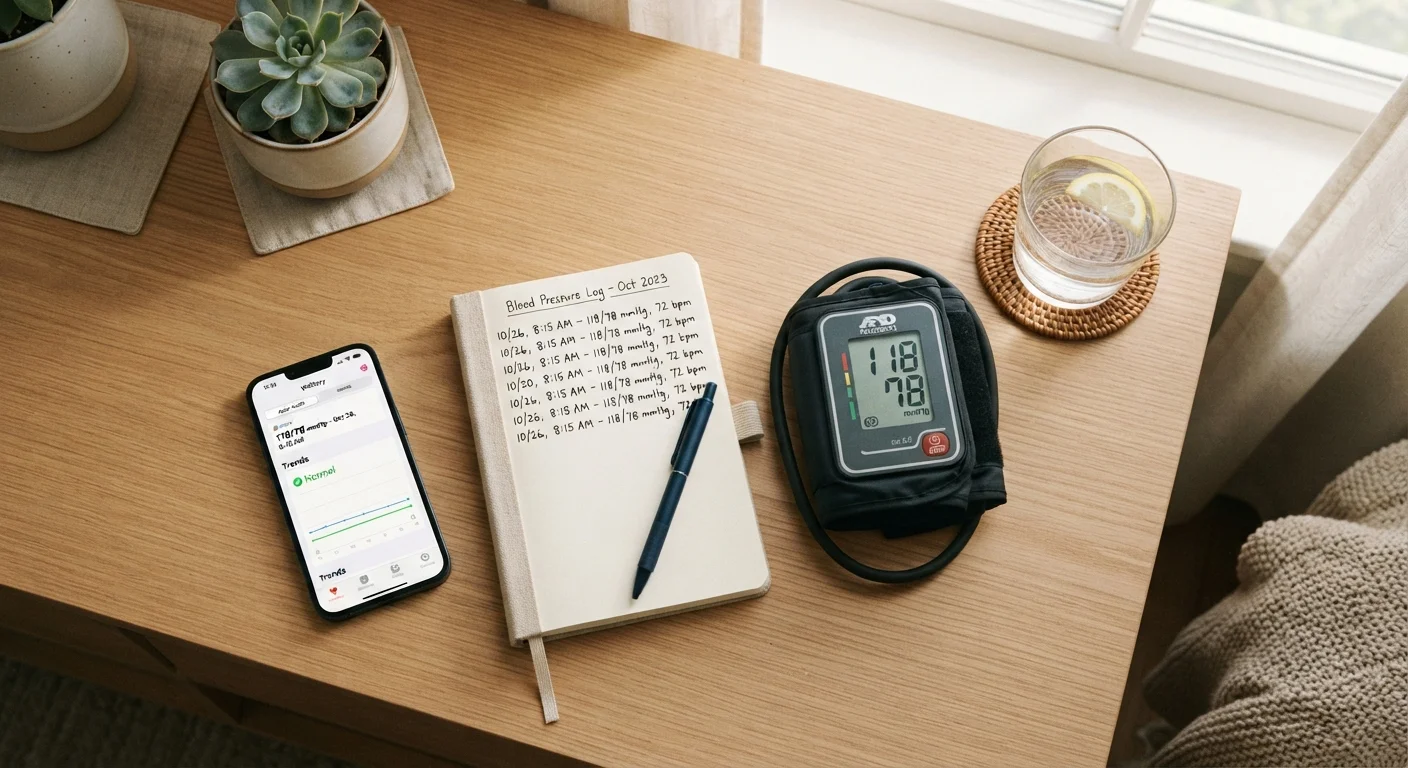
Photo: ArticleHood.com | Precision In Every Word editorial
Key Takeaways
- Several meaningful health indicators - like blood pressure and resting heart rate - can be monitored reliably at home.
- Tracking trends over time is more informative than any single reading taken in isolation.
- Self-monitoring works best as a complement to, not a substitute for, regular clinical care.
- Knowing which symptoms and changes warrant prompt medical attention is an essential part of home monitoring.
- Data privacy matters when using health apps - review permissions carefully before granting access.
Why Monitoring Between Visits Actually Matters
Most adults see a primary care provider once a year - sometimes less. That leaves roughly 364 days during which your body is signaling things no clinician is positioned to observe. Home health monitoring doesn't replace clinical care; it fills a meaningful gap, giving you and your provider richer, more continuous data to work with.
Clinical readings taken during a single appointment can be affected by 'white coat hypertension' (elevated blood pressure triggered by the medical setting itself), recent physical exertion, or simply an off day. A log of home readings collected under consistent, calm conditions can be significantly more representative of your baseline. Research on early detection consistently shows that the earlier a change is identified, the more options remain available.
Proactive monitoring is also an exercise in health literacy. When you understand what your resting heart rate or blood pressure actually means - and what it looks like for you specifically - you're better equipped to have informed conversations with your care team. This complements, rather than duplicates, what formal screenings accomplish. See preventive health screenings every adult should know about for a grounded overview of what clinical screening covers.
Self-Monitoring Is Not Self-Diagnosing
What to Track, How to Track It, and When to Act
The following steps walk through a practical framework for home health monitoring - from choosing relevant indicators to knowing when a reading warrants a call to your provider. Before you begin, gather the basics outlined below.
What you will need
Validated home blood pressure monitor
Measures systolic and diastolic blood pressure; upper-arm cuff models validated by recognized medical bodies are generally more accurate than wrist models.
Pulse oximeter
Estimates blood oxygen saturation and heart rate at the fingertip; useful context for people with cardiorespiratory conditions.
Digital thermometer
Tracks body temperature to help identify fever or persistent low-grade temperature changes worth noting.
Health tracking notebook or spreadsheet
Records readings with dates and times so trends become visible over days or weeks.
Bathroom scale
Monitors body weight trends; most useful when weighed at the same time of day and day of the week.
Wearable fitness tracker (optional)
Passively logs resting heart rate, sleep duration, and activity levels over time without requiring manual measurement.
Identify which indicators are relevant to your personal health profile
Not every metric is equally meaningful for every person. Start by reviewing any conditions, risk factors, or concerns your provider has previously mentioned. Someone managing hypertension will prioritize blood pressure differently than someone whose main focus is sleep quality. Consider the following broadly useful indicators as a starting point:
- Blood pressure - relevant for nearly all adults, particularly those over 40 or with family history of cardiovascular disease
- Resting heart rate - a simple, informative marker of cardiovascular fitness and stress load
- Body weight trend - unexplained gains or losses of more than a few pounds over a short period can be clinically significant
- Sleep duration and quality - chronic poor sleep is linked to a wide range of downstream health effects
- Bowel and urinary patterns - notable changes in frequency, color, or consistency can be early signals worth logging
- Energy and mood - persistent fatigue or low mood lasting more than two weeks is worth discussing with a provider
This step doesn't require any equipment - it's a reflective exercise. Refer to your annual preventive care checklist to see which screenings your provider may already be tracking clinically.
Gather appropriate, reliable tools
Equipment accuracy matters. For blood pressure monitoring specifically, look for upper-arm cuff devices that have been validated by a recognized medical or regulatory body - device lists are often published by hypertension societies. Wrist cuffs and smartwatch-based estimates vary more in accuracy.
If you plan to use a smartphone app to log or analyze readings, take a moment to review what data permissions the app requests. Understanding what app permissions actually grant is worth doing before you hand over access to your health data.
Establish consistent conditions for each measurement
Variability in how and when you measure can produce misleading data. Standardize your approach:
- Blood pressure: Sit quietly for five minutes beforehand, avoid caffeine or exercise for 30 minutes prior, use the same arm each time, measure at the same time of day
- Body weight: Weigh yourself at the same time of day (morning, after using the bathroom, before eating) on the same surface
- Resting heart rate: Measure first thing in the morning before getting out of bed, either manually (count beats for 60 seconds at the wrist or neck) or via a wearable device
- Temperature: Use the same thermometer and same body site (oral, axillary) each time; note the time of day since body temperature naturally varies
Record every reading with the date and relevant context
Isolated numbers are far less useful than a dated series. Log each reading immediately after taking it, and note any relevant context that could affect the result - poor sleep the night before, a stressful event, illness, or a change in medication. Over two to four weeks, patterns will begin to emerge that neither you nor your provider could detect from a single data point.
A simple table with columns for date, time, reading, and notes works well. You don't need a dedicated app unless you find one genuinely useful. If food intake is one of your tracking interests, explore the honest trade-offs of dietary tracking before committing to a logging routine.
Review your log regularly and identify meaningful trends
Set a brief weekly review - even five minutes - to look across your readings. Ask yourself:
- Is there a consistent direction (values creeping up or down over time)?
- Are outliers clustered around specific days, times, or circumstances?
- Has anything changed recently - diet, sleep, stress, a new supplement or medication - that might explain a shift?
The goal of this review is not to diagnose or alarm yourself, but to notice patterns you can discuss productively with your provider. Understanding why routine check-ups catch problems early helps put this kind of proactive data-gathering in context.
Know when to contact your provider promptly - or immediately
Home monitoring is most valuable when paired with good judgment about escalation. Reach out to your healthcare provider promptly (within a day or two, not waiting for the next scheduled visit) if you observe:
- Consistently elevated blood pressure readings across multiple days (your provider can give you a personal threshold to watch for)
- Unexplained weight loss or gain of more than five pounds in one to two weeks
- Resting heart rate persistently above 100 beats per minute or below 50 in someone not physically trained
- Fever that persists beyond three days or rises above 103°F (39.4°C)
Seek emergency care immediately for chest pain, severe shortness of breath, sudden neurological changes (slurred speech, facial drooping, weakness on one side), or any symptom that feels acutely serious. Your log may be useful context - bring it if you can - but never delay care to gather more readings.
Bring Your Log to Every Appointment
Watch for Obsessive Tracking Patterns
This article is for general health information and education only. It is not medical advice, and it does not replace the guidance of a qualified healthcare provider. Always consult your physician or another licensed healthcare professional for questions about your personal health or before making any changes to your care routine.
The content on this site is for informational purposes only and is not a substitute for professional advice. Always consult a qualified professional for guidance specific to your situation.