
Needs vs. Wants: The Distinction That Makes or Breaks a Budget

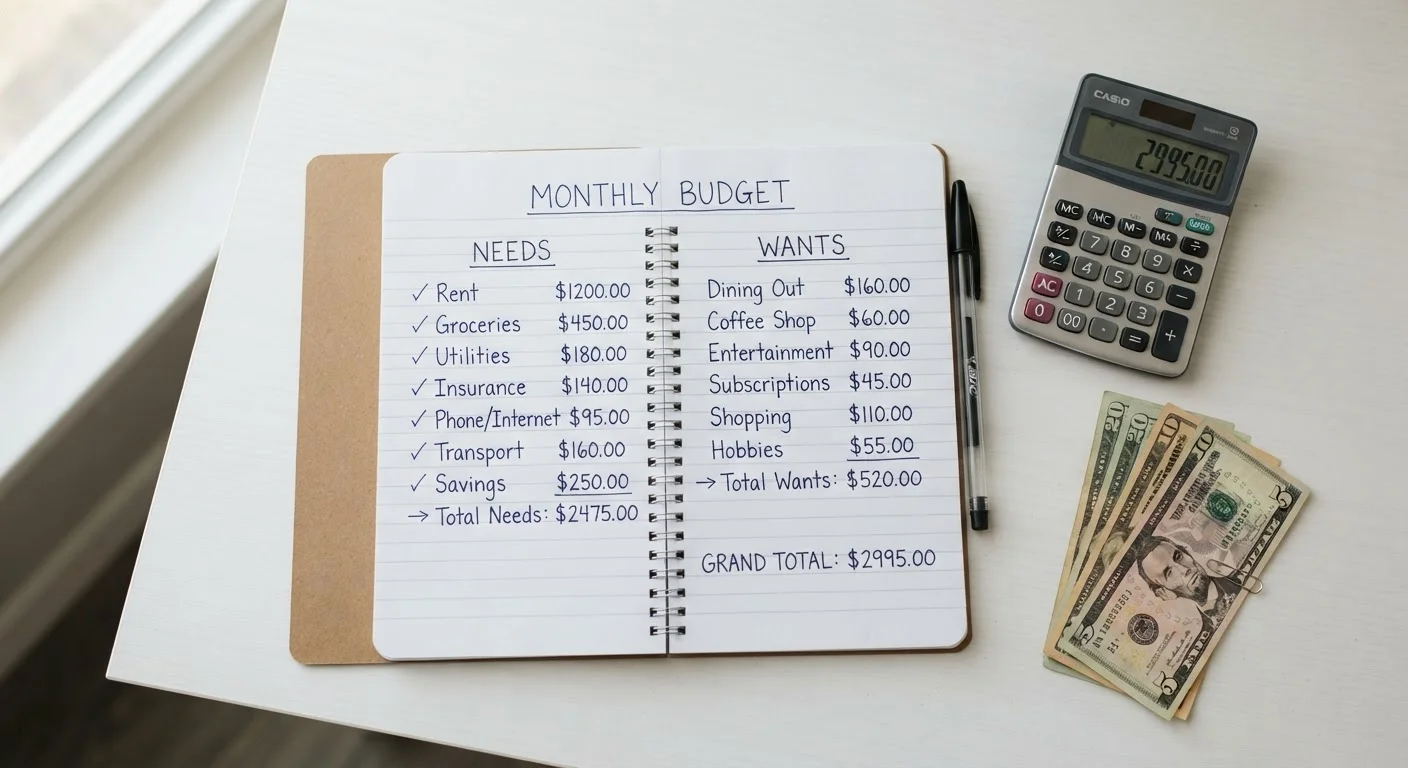
Photo: ArticleHood.com | Precision In Every Word editorial
Key Takeaways
- Needs are essentials required for survival and basic functioning; wants enhance comfort or enjoyment.
- The line between needs and wants is context-dependent and often genuinely blurry.
- Misclassifying wants as needs is one of the most common reasons budgets fail.
- Identifying your needs first protects essential spending before allocating anything to wants.
- Wants are not inherently bad - budgeting for them deliberately is healthier than eliminating them entirely.
Why This Distinction Matters More Than It Seems
Most people assume they already know the difference between a need and a want. In practice, the line blurs constantly - and those blurred judgments quietly derail budgets every month. When a streaming service feels like a requirement after a long workday, or a newer phone feels essential for staying connected, the brain starts classifying wants as needs almost automatically.
This matters because every budgeting method, from the envelope system to the 50/30/20 rule, depends on honest categorization. If you'd like to understand how these frameworks compare, see our guide to zero-based budgeting vs. the 50/30/20 rule for a side-by-side look. Getting the categories right is step one - everything else follows from there.
50%
Recommended share of income for needs
The 50/30/20 budgeting rule, widely cited by financial educators, suggests allocating roughly 50% of after-tax income to essential needs.
~33%
Americans with no monthly budget
Surveys conducted by the National Foundation for Credit Counseling have repeatedly found that a significant share of U.S. adults do not follow any formal budget.
What Counts as a Need
A need, in budgeting terms, is any expense you must cover to maintain basic health, safety, and the ability to earn income. Core needs include:
- Housing: Rent or mortgage payments, renter's or homeowner's insurance, and essential utilities such as electricity, heat, and water.
- Food: Grocery spending at a reasonable baseline. Not every food purchase is a need - restaurant meals and premium delivery services generally fall into the want category.
- Transportation: Getting to work reliably, whether that means a bus pass, car payment, fuel, or basic maintenance. The need is reliable transport, not a specific vehicle.
- Healthcare: Insurance premiums, medications, and necessary medical care.
- Minimum debt payments: Keeping accounts in good standing is a financial necessity, not optional.
For a plain-language breakdown of terms like discretionary versus non-discretionary spending, the budgeting glossary is a useful reference.
Try the 'Minimum Version' Test
What Counts as a Want - and Why That's Not an Insult
Wants are expenses that improve your quality of life beyond the baseline. That includes dining out, streaming subscriptions, gym memberships, travel, clothing beyond the functional minimum, hobbies, and entertainment. None of these are irresponsible - they're a normal part of life and belong in a healthy budget.
The problem arises when wants crowd out needs or savings, not when they exist at all. Budgeting for wants deliberately - setting aside a defined amount each month - is far more sustainable than either spending freely or attempting to cut them entirely. Research in behavioral finance consistently suggests that overly restrictive budgets tend to collapse under the pressure of normal life spending.
If you've encountered the idea that strict budgeting means giving everything up, the most common budgeting myths article addresses that directly.
The Gray Zone: When Needs and Wants Overlap
Many real-world expenses sit somewhere in between. Consider a smartphone: basic phone service for safety and employment is a need; the latest flagship model is a want. A car in a car-dependent city is a need; upgrading to a premium trim level is a want layered on top of that need.
“The goal of a budget is not to make you feel deprived - it's to make sure your spending reflects what actually matters to you. That starts with being honest about which expenses are truly essential.”
— Consumer Financial Protection Bureau, U.S. federal agency providing financial education and consumer guidance
A practical approach is to ask: What is the minimum version of this expense that genuinely covers the need? The gap between that minimum and what you're actually spending is a want - even if the category itself is a need. This thinking helps you make conscious trade-offs rather than treating every expense in a broad category as non-negotiable.
This nuance also matters when budgets get tight. Knowing which portion of an expense is a need and which is a want gives you real flexibility. Our article on making a budget stick when life gets expensive explores how this thinking applies under financial pressure.
This article provides general financial education and is not personalized financial advice. For guidance specific to your situation, consider speaking with a qualified financial professional.
Frequently Asked Questions
The content on this site is for informational purposes only and is not a substitute for professional advice. Always consult a qualified professional for guidance specific to your situation.