
Financial Anxiety vs. Financial Avoidance: Understanding the Difference Matters

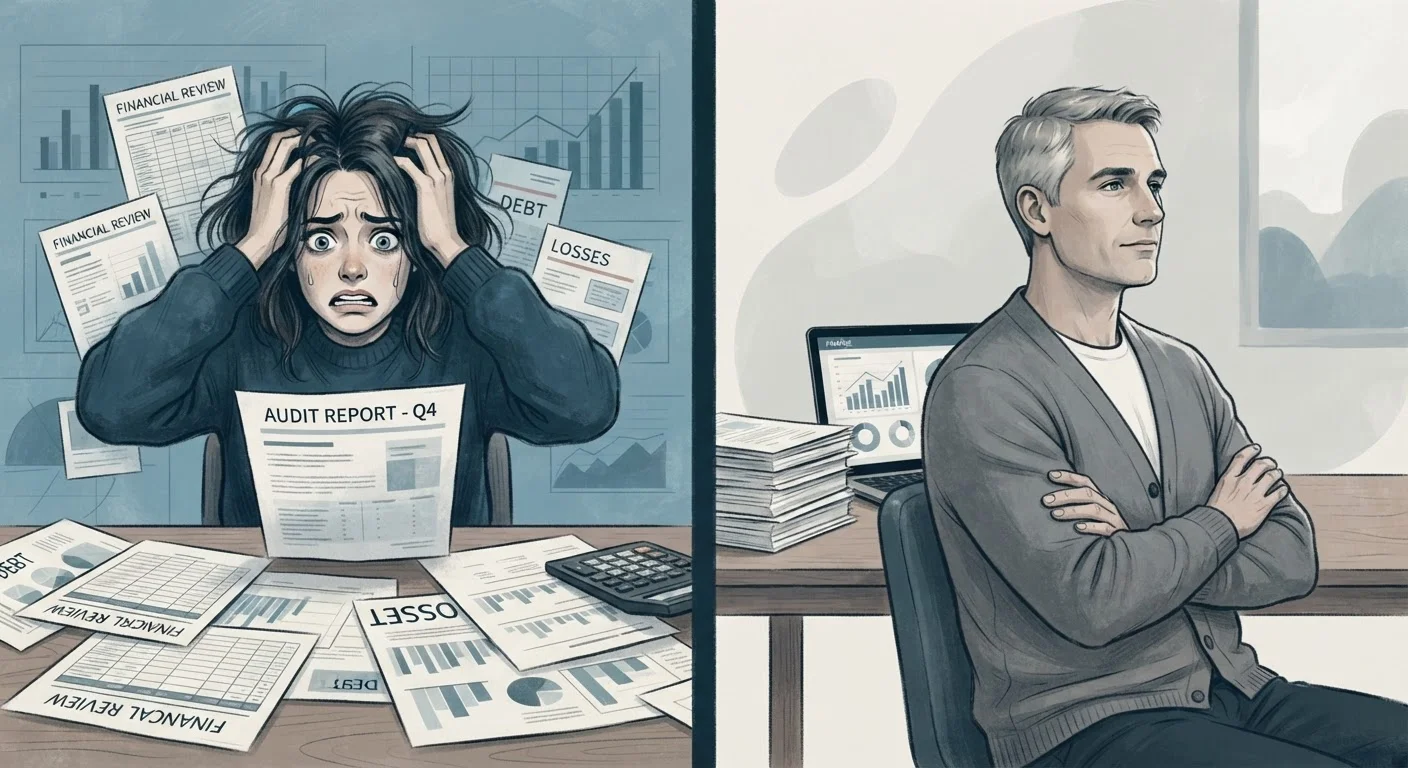
Photo: ArticleHood.com | Precision In Every Word editorial
Key Takeaways
- Financial anxiety involves excessive worry about money; financial avoidance involves deliberately sidestepping money-related tasks.
- Both patterns can harm your financial health, but they stem from different psychological roots and need different responses.
- Anxiety keeps people emotionally engaged but overwhelmed; avoidance reduces emotional engagement by withdrawing from the topic entirely.
- Identifying which pattern dominates your behavior is the first step toward meaningful change.
- Neither pattern is a personal failing - both are learned responses to perceived financial threat.
Two Patterns, One Outcome: Financial Paralysis
From the outside, financial anxiety and financial avoidance can look nearly identical. The bills pile up. Savings don't grow. Conversations about money get postponed. But the internal experience - and therefore the path forward - is quite different for each.
Financial anxiety is characterised by persistent, often disproportionate worry about money. People experiencing it may track every transaction obsessively, lose sleep over routine expenses, or catastrophise minor financial setbacks. The anxiety is active - the person is emotionally engaged with money, sometimes painfully so.
Financial avoidance, on the other hand, is a withdrawal response. Rather than ruminating about finances, the person with avoidance patterns actively steps away - deleting bank notification emails, putting retirement paperwork in a drawer, or deferring budget conversations indefinitely. The emotional driver isn't always worry; it can be shame, helplessness, or simply an overwhelming sense of "I don't know how to deal with this."
Understanding which pattern is at play matters, because the strategies that help are meaningfully different. This connects directly to the broader landscape of financial self-sabotage - the subtle behaviours that undermine progress without us fully realising it.
| Criterion | Financial Anxiety | Financial Avoidance |
|---|---|---|
| Core experience | Persistent worry and dread about money | Deliberate withdrawal from money tasks |
| Engagement level | High - often hypervigilant | Low - actively disengages |
| Emotional driver | Fear of loss or financial catastrophe | Shame, helplessness, or overwhelm |
| Typical behavior | Obsessive checking, catastrophising | Ignoring statements, deferring decisions |
| Common origin | Childhood scarcity or financial instability | Past failure or negative financial identity |
| Key risk | Decision paralysis despite awareness | Real financial gaps from non-engagement |
| Helpful first step | Structured routines to reduce uncertainty | Small, low-stakes re-engagement tasks |
Where Each Pattern Comes From
Financial anxiety often traces back to formative experiences: growing up in a household where money was scarce or unpredictable, witnessing financial crisis firsthand, or receiving messages that money is dangerous, unattainable, or morally fraught. These experiences can wire the nervous system to treat financial information as threat data - triggering a stress response even when the actual situation is manageable.
Avoidance has similar roots but tends to emerge when the emotional cost of engaging with money feels higher than the cost of ignoring it. It's a coping mechanism, not a character flaw. People may avoid because past attempts to manage money ended in confusion or failure, or because their financial identity - how they see themselves as a "money person" - is deeply negative.
It's also worth noting that anxiety and avoidance can reinforce each other. Someone may begin by worrying intensely about money, find the worry unbearable, and then start avoiding as a way to escape the discomfort. Over time, the avoidance creates real financial gaps - missed bills, no emergency fund, growing debt - which feeds the original anxiety. This cycle is common and genuinely difficult to interrupt without awareness.
77%
Americans reporting money-related stress
According to the American Psychological Association's annual Stress in America survey, money has consistently ranked among the top sources of stress for US adults.
1 in 3
Adults who avoid checking financial accounts
Research from financial wellness organisations suggests a significant portion of adults regularly postpone reviewing bank statements or account balances due to emotional discomfort.
Practical Distinctions and What Each Calls For
Identifying your dominant pattern is the starting point. Here are some concrete distinctions:
- Financial anxiety often involves hypervigilance - checking accounts multiple times a day, worrying about hypothetical scenarios, or feeling that no amount of saving ever feels "enough." It's emotionally exhausting. The signs your habits are fear-driven can help you recognise this in your own behaviour.
- Financial avoidance often involves procrastination with a specific texture - relief when you put something off, followed by a creeping sense of dread that you're falling further behind. Key tasks like reviewing a personal budget or addressing savings and debt feel impossible to start.
For anxiety, evidence-based approaches include cognitive restructuring (identifying and gently challenging catastrophic thoughts), building predictable financial routines that reduce uncertainty, and, where distress is significant, working with a therapist familiar with money psychology. For avoidance, the goal is to lower the activation energy for engagement - starting with something so small it can't be refused, like opening one statement or setting a five-minute "money check-in" once a week.
Both patterns benefit from a shift in how you think about money. And both are addressable - not through willpower alone, but through consistent, structured re-engagement over time. For a practical starting point, building a healthier relationship with money outlines concrete first steps suited to either pattern.
This article is for general informational and educational purposes only. It is not a substitute for professional financial, psychological, or mental health advice. If financial stress is significantly affecting your wellbeing, please consider speaking with a qualified financial counselor or licensed mental health professional.
The content on this site is for informational purposes only and is not a substitute for professional advice. Always consult a qualified professional for guidance specific to your situation.