
The Iceland Myths That Mislead Travellers Every Year

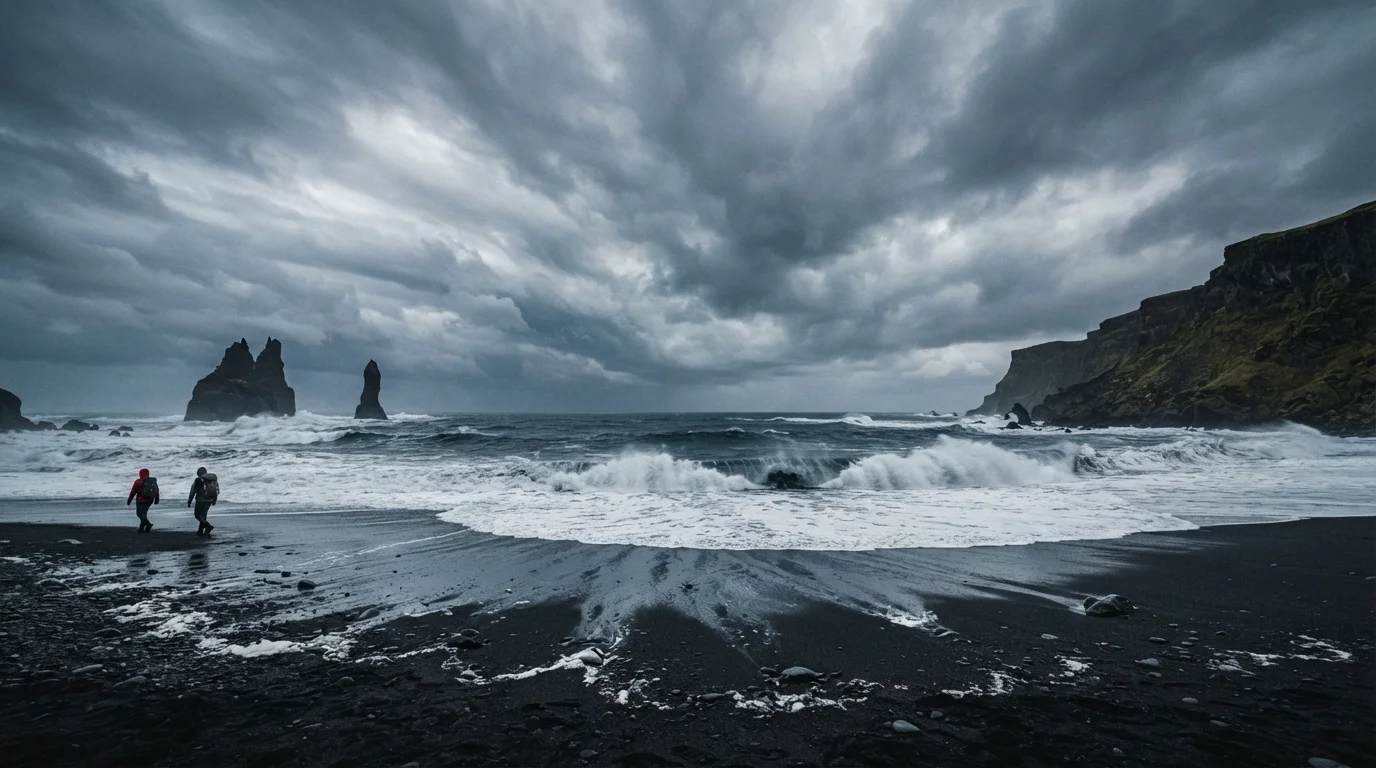
Photo: ArticleHood.com | Precision In Every Word editorial
Key Takeaways
- Iceland's summers can be surprisingly mild, with temperatures regularly reaching the mid-50s to low 60s Fahrenheit.
- The Northern Lights require darkness - meaning summer visits make aurora sightings essentially impossible.
- Reykjavík is a genuinely sophisticated city, not just a stopover on the way to nature.
- Iceland is one of Europe's more expensive destinations, and budget travellers should plan accordingly.
- The famous Ring Road is entirely paved but requires careful preparation, especially outside summer months.
Why Iceland Myths Persist - and Why They Matter
Iceland has become one of the world's most talked-about travel destinations, fueled by dramatic photography, viral social media, and a tourism boom that has seen visitor numbers surge well past the country's actual population. With all that buzz comes a reliable crop of misconceptions - some harmless, some genuinely capable of derailing a trip. Arriving with the wrong expectations about weather, wildlife, or logistics can mean missed opportunities, wasted money, or real disappointment.
The good news is that Iceland, corrected for myth, is every bit as extraordinary as its reputation suggests - just in ways that reward honest preparation. Whether you're weighing a first visit or planning a return trip, separating fiction from fact is the most useful thing you can do before you pack. And if you've encountered similar myth-busting in other areas of travel planning, our overview of travel planning myths that lead to wasted time and money covers the broader picture.
Myth
Iceland is freezing cold year-round, so summer visits are still arctic-level brutal.
Fact
Reykjavík summers are cool but genuinely pleasant, with average highs around 55-63°F (13-17°C) in July.
Iceland's maritime climate keeps temperatures more moderate than the name suggests. Thanks to the Gulf Stream, coastal areas - including the capital - experience milder conditions than landlocked cities at similar latitudes. You won't be sunbathing, but a light jacket is often enough in midsummer. Pack layers rather than a full expedition wardrobe.
Myth
You can see the Northern Lights whenever you visit Iceland.
Fact
Aurora sightings require darkness - summer visitors will miss them entirely due to continuous daylight.
The aurora borealis is only visible when the sky is dark enough, typically from late August through mid-April in Iceland. During the summer months, the midnight sun means near-constant daylight, making aurora viewing impossible regardless of solar activity. If the Northern Lights are your primary goal, plan for a late autumn, winter, or early spring trip - and still expect that cloud cover and solar cycles will affect your odds on any given night.
Myth
The Ring Road is a rough, unpaved adventure track requiring a 4x4.
Fact
Route 1 - the Ring Road - is fully paved and can be driven in a standard car during summer.
Iceland's famous 828-mile (1,332 km) Route 1 circles the island and is maintained asphalt throughout. A standard two-wheel-drive vehicle handles it fine in summer conditions. Where a 4x4 becomes important is on the highland interior F-roads, which are unpaved, often involve river crossings, and are only open seasonally. Rental contracts typically prohibit taking standard cars on F-roads, and that restriction exists for good reasons.
Myth
Reykjavík is just a transit hub with nothing worth spending time on.
Fact
Reykjavík is a compact but culturally rich capital with strong food, music, and design scenes.
Iceland's capital is often underestimated by visitors racing toward waterfalls and glaciers. In reality, Reykjavík has a well-regarded restaurant scene, distinctive architecture including the iconic Hallgrímskirkja church, world-class museums covering Viking history and Nordic art, and a music culture that has produced a disproportionate number of internationally known artists for a city of roughly 130,000 people. A day or two in the capital is time well spent rather than wasted.
Myth
Iceland is an affordable destination - low-cost airlines have made it a budget trip.
Fact
Iceland consistently ranks among Europe's most expensive countries for food, accommodation, and transport.
While transatlantic airfares to Reykjavík have become more competitive, costs on the ground remain high. Groceries, restaurant meals, fuel, and accommodation all carry significant price tags relative to most European destinations. Budget-conscious travellers can manage through self-catering, camping where permitted and appropriate, and careful itinerary planning - but arriving without a realistic cost estimate is a common and painful mistake.
Myth
You can easily spot whales and puffins any time you visit.
Fact
Both species follow strict seasonal patterns - timing your visit matters significantly for wildlife viewing.
Puffins nest in Iceland from approximately May through August, after which they return to the open ocean. Whale watching is most productive from April through October, with humpbacks and minkes frequently spotted in those months. Winter visits offer little opportunity for either. Iceland's wildlife is genuinely spectacular in the right season, but assuming you'll encounter it on any random trip is one of the most common disappointments first-time visitors report.
What Iceland Actually Looks Like for Most Visitors
Strip away the misconceptions and what remains is a destination that rewards flexibility and curiosity. Summer offers nearly endless daylight and access to the highlands - interior roads like the F-roads that are impassable in winter - while late autumn and winter provide the darkness needed for aurora hunting and a quieter, often more atmospheric version of the island.
2.3M+
Annual visitors to Iceland
Iceland's tourism authority has recorded visitor numbers exceeding the country's population of around 370,000 several times over in recent years.
~76 days
Average nights of aurora visibility per year
Aurora forecasting services estimate roughly 76 clear, dark nights with visible aurora activity annually, though actual sightings depend heavily on local cloud cover and solar conditions.
The practical realities are worth naming plainly: Iceland is expensive by most international standards, car rental and fuel add up quickly, and weather changes fast enough that outdoor plans should always have a backup. But none of that diminishes what's on offer - geysers, glaciers, geothermal pools, puffin colonies, and a capital city with a genuine cultural life. The key is arriving informed rather than enchanted by a version of Iceland that doesn't quite exist.
Highland F-Roads Are Genuinely Hazardous Off-Season
Much like debunking myths in other everyday contexts - from home improvement folklore to assumptions about digital privacy - the payoff for questioning what you've heard is always a better outcome than simply accepting the conventional wisdom at face value.
The content on this site is for informational purposes only and is not a substitute for professional advice. Always consult a qualified professional for guidance specific to your situation.