
What Makes Patagonia Different from Every Other Wilderness Destination

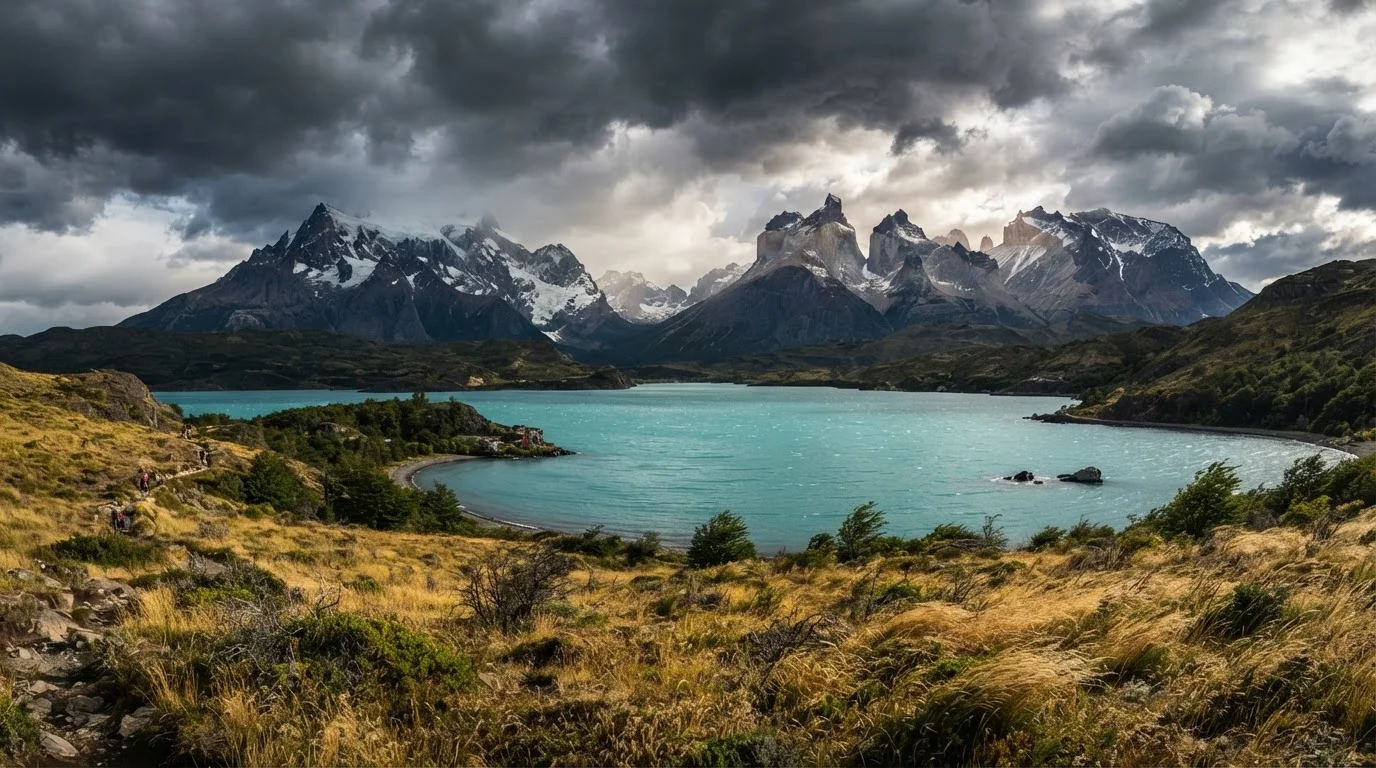
Photo: ArticleHood.com | Precision In Every Word editorial
Key Takeaways
- Patagonia spans two countries - Chile and Argentina - each offering distinct landscapes and access points.
- The Southern Patagonian Ice Field is the world's second-largest non-polar ice mass, making this region globally significant.
- Weather is famously unpredictable; four seasons in one day is a common experience, not a cliché.
- The region blends Indigenous Tehuelche and Mapuche heritage with gaucho ranching culture and modern conservation efforts.
- Visitor infrastructure ranges from world-class eco-lodges to backcountry campsites requiring serious self-sufficiency.
- Peak season runs roughly November through March, but shoulder periods offer fewer crowds and their own rewards.
A Place That Refuses to Be Summarised
Most wilderness destinations fit a recognisable template - a great park, a famous peak, a celebrated coastline. Patagonia defies that framework entirely. It is not a country, not a single park, and not a destination you can tick off in a long weekend. It is a region the size of Texas and California combined, sitting at the bottom of South America where the Andes dissolve into ice fields, fjords, and open steppe that rolls toward the Atlantic.
What separates Patagonia from comparable wild places - Iceland, Patagonia's own rival Scandinavia, even the Canadian Rockies - is its refusal to be tamed by infrastructure or expectation. The weather alone enforces humility. Wind gusts regularly exceed 60 miles per hour on the open pampas. A clear morning can become a whiteout by noon. That unpredictability is not a drawback; it is the defining character of the place.
“Patagonia casts a spell on those who visit. The sheer scale - the distances, the weather, the silence - forces a kind of recalibration that most other places simply don't demand.”
— Bruce Chatwin, Author of 'In Patagonia', a landmark work of travel literature
Two Countries, One Landscape
The Andes form a spine that divides Chilean and Argentine Patagonia, and the two sides feel genuinely different. Chilean Patagonia is wet, forested, and fjord-laced - a coastal wilderness shaped by Pacific moisture that feeds ancient lenga beech forests and feeds glaciers reaching sea level. Argentine Patagonia, in contrast, sits in the Andes' rain shadow and opens into vast, wind-scoured steppe where condors ride thermals above lonely estancias (ranches).
This duality means that serious visitors often cross between the two countries, each crossing revealing a different face of the same vast territory. The lakeside town of Puerto Natales in Chile serves as the gateway to Torres del Paine. The Argentine village of El Chaltén, nested below the needle-like peak of Cerro Torre, is free to enter and considered one of South America's premier trekking hubs. Neither experience is redundant.
~400,000 sq mi
Total area of the Patagonian region
Patagonia spans parts of both Chile and Argentina, encompassing a geographic area comparable in size to Texas and California combined.
2nd largest
Southern Patagonian Ice Field rank globally
The Southern Patagonian Ice Field is the world's second-largest non-polar ice mass, according to glaciological surveys, and feeds numerous major glaciers.
60+ mph
Common wind speeds on Patagonian steppe
Sustained winds of this intensity are frequently recorded across the open pampas, particularly during the austral summer when most visitors arrive.
Culture, Conservation, and the Human Story
Patagonia is not a blank wilderness. The Tehuelche and Mapuche peoples inhabited this land for thousands of years before European contact, and their cultural legacy - in place names, traditions, and ongoing communities - remains part of the region's identity. The gaucho culture that followed European settlement added another layer: a ranching tradition as rugged as the landscape, still visible in working estancias that now often welcome visitors.
Conservation has also become a defining chapter. Large-scale rewilding efforts, including the donation of private land to create what is now Patagonia National Park in Chile, have reshaped how the region is understood globally. These projects are not without complexity - local communities, land rights, and economic priorities all factor in - but they represent one of the most ambitious conservation stories in the Western Hemisphere.
Cross the Border if You Can
What to Realistically Expect as a Visitor
Patagonia rewards preparation and punishes assumption. Trekkers on the famous W Circuit in Torres del Paine will find well-maintained refugios (mountain huts) with meals and beds - but those require advance booking and are not cheap. Step beyond the established circuits and the infrastructure thins rapidly. The Dientes de Navarino route on Isla Navarino, for instance, passes through terrain with no services whatsoever.
Budget travellers can manage costs through camping and cooking, but logistics - flights into Punta Arenas or Ushuaia, long bus journeys, park fees - add up. The experience, by most accounts, is worth the investment of both money and planning time. Patagonia does not offer the kind of effortless escape that a beach resort does. It offers something harder to replicate: genuine awe at a landscape that feels indifferent to human presence, and all the more extraordinary for it.
Frequently Asked Questions
The content on this site is for informational purposes only and is not a substitute for professional advice. Always consult a qualified professional for guidance specific to your situation.