
Why Itineraries Fall Apart - and How to Build One That Holds Up

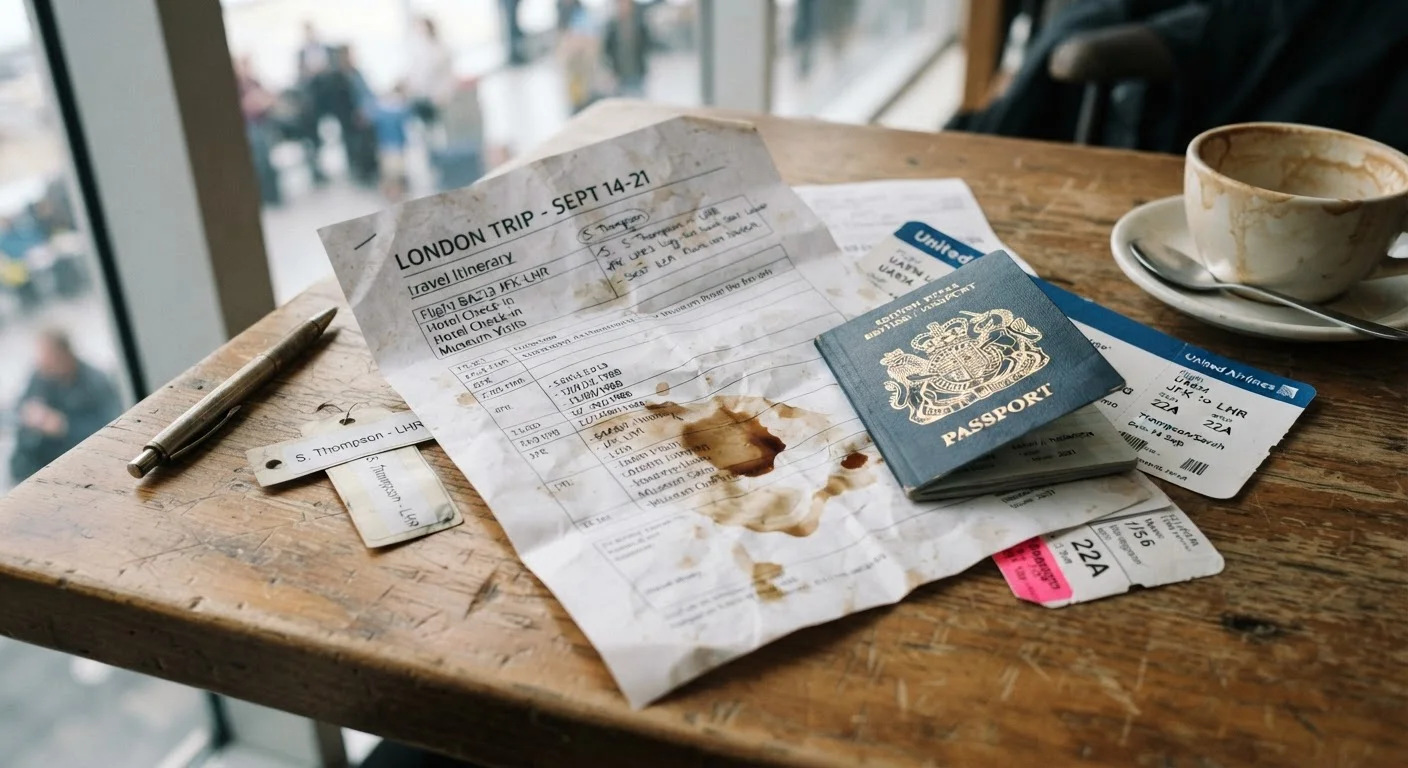
Photo: ArticleHood.com | Precision In Every Word editorial
Key Takeaways
- Overpacking a schedule is the single most common reason itineraries collapse on the road.
- Travel times between sites are routinely underestimated, turning tight plans into stressful sprints.
- Building buffer time into each day is not wasted time - it's what makes everything else work.
- Inflexible bookings leave no room to adapt when conditions change, and they often do.
- Realistic expectations about energy, pace, and logistics separate enjoyable trips from exhausting ones.
The Gap Between a Plan on Paper and a Day on the Ground
There's a particular kind of optimism that takes hold during trip planning. Seated at a desk with browser tabs open and coffee in hand, it genuinely feels achievable to visit four neighborhoods, two museums, a famous market, and a sunset viewpoint - all before dinner. The problem is that paper plans don't account for the friction of real travel: slow trains, long lines, navigating a city you don't yet know, or simply needing to sit down for twenty minutes after two hours on your feet.
This gap between the itinerary and the experience is where most trips go wrong. It's rarely one catastrophic failure that derails a plan - it's accumulated small miscalculations that compound across the day and, eventually, the whole trip. Understanding where those miscalculations tend to happen is the first step to building something more durable. Our guide to commonly underestimated planning factors goes deeper on the specifics, but the mistakes below are where most itineraries first start to crack.
Scheduling too many activities per day without accounting for transit, wait times, or fatigue.
Treating estimated visit durations as reliable, when they rarely are.
Booking non-refundable tours, tickets, and reservations for every day of the trip.
Ignoring the time cost of logistical tasks like grocery runs, laundry, and navigating transportation hubs.
Failing to research local rhythms - closures, peak hours, seasonal hours, or public holidays.
Building a Schedule That Can Actually Survive Contact With Reality
The structural fix for most of these mistakes is simpler than it sounds: plan less, and plan for the unexpected. That means choosing two or three anchoring experiences per day rather than six, and treating travel time between them as part of the day - not dead time to be minimized. If you're working around a compressed timeline, the framework for structuring trips around limited days off offers practical guidance on prioritizing without gutting the experience.
~90 min
Average time lost daily to unplanned delays
Travel researchers and trip-planning experts commonly note that travelers lose roughly one to two hours per day to unplanned delays, navigation errors, and transition time - time that rarely appears in written itineraries.
3-in-5
Travelers who say they overpacked their schedule
Surveys of returning travelers consistently find that a majority feel they tried to fit too much into their trip, often citing it as the primary source of travel stress.
Buffer time - thirty to sixty minutes built into transitions, meals, and mid-day pauses - is what separates itineraries that adapt gracefully from ones that collapse the moment a ferry runs late. Think of it not as slack, but as the margin that makes everything else possible. The same principle applies to finances: a contingency fund for unexpected travel costs prevents a single expensive surprise from unraveling the whole trip.
Non-Refundable Bookings Compound Inflexibility
Finally, hold your plans with some looseness. The best travel experiences are often unscheduled - a conversation that leads somewhere interesting, a side street that turns out to be the real heart of a neighborhood, a local recommendation that beats anything on a list. The range of experiences worth seeking out is vast, but you can only access them if your schedule has room to breathe. A well-built itinerary isn't a rigid script. It's a skeleton that keeps the trip from collapsing while leaving space for the trip to actually happen.
The content on this site is for informational purposes only and is not a substitute for professional advice. Always consult a qualified professional for guidance specific to your situation.