
Reading an Ingredient List Without Getting Lost

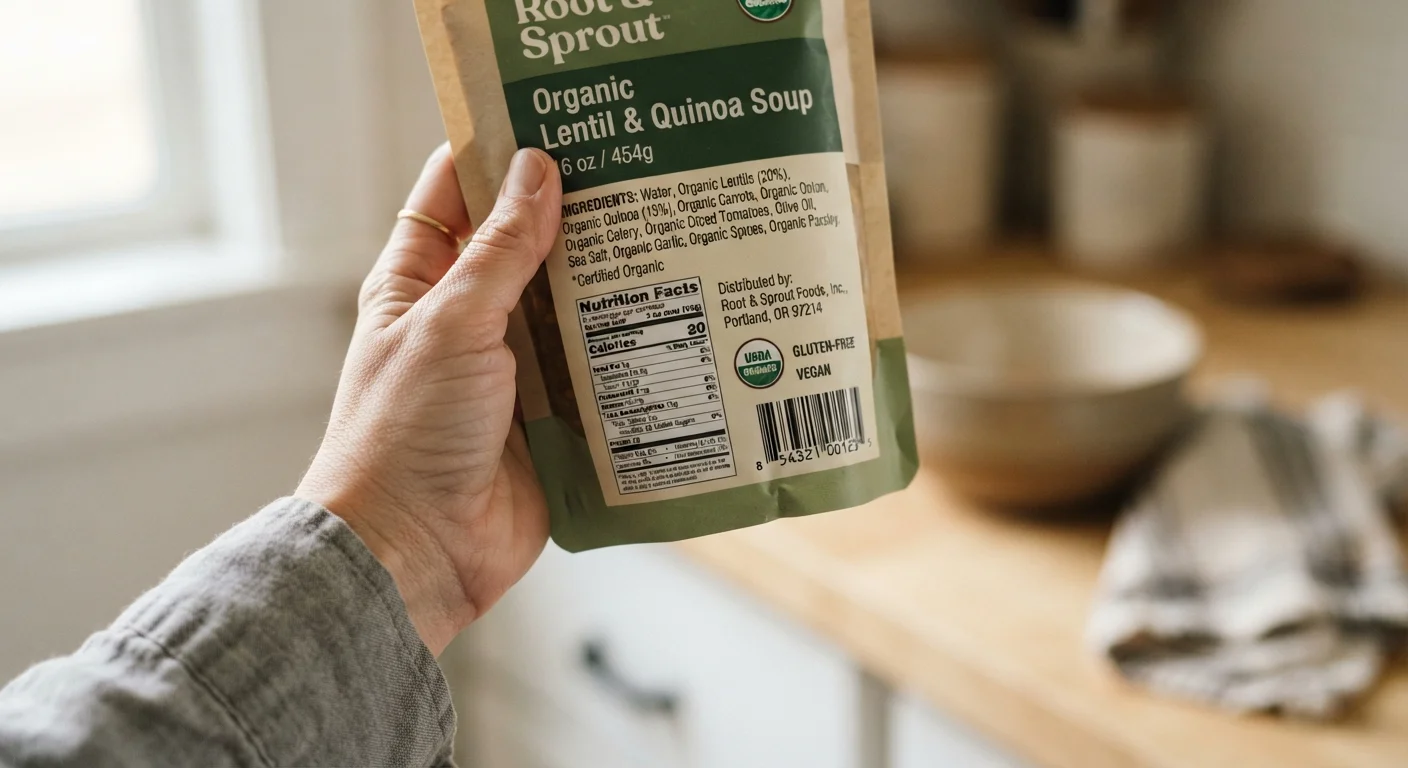
Photo: ArticleHood.com | Precision In Every Word editorial
Key Takeaways
- Ingredients are listed in descending order by weight, so the first few ingredients matter most.
- Sub-ingredients inside parentheses belong to the item listed just before them.
- Sugar, sodium, and certain fats appear under many different names across ingredient lists.
- Some additives serve essential functions; understanding their role helps you evaluate them fairly.
- Allergen labeling follows specific federal rules, but cross-contact risks may not always be obvious.
Why the Ingredient List Works the Way It Does
The ingredient list on a US food package isn't a casual summary - it's a federally regulated disclosure governed by the FDA. Every word, order, and format follows specific rules designed to give consumers a meaningful, comparable window into what they're buying. Understanding those rules turns the ingredient list from a wall of fine print into a genuinely useful tool.
The foundational principle is descending order by pre-processing weight: the ingredient present in the largest amount comes first, and so on down to the smallest. This single rule reveals a great deal. A bread labeled "multigrain" may list enriched wheat flour first and whole grains fifth or sixth - which tells you the whole grain content is comparatively modest, whatever the front-of-pack imagery suggests. For a deeper look at how front-of-pack claims interact with label data, see what food labels are actually telling you.
Ingredient lists also interact directly with common Nutrition Facts panel misreads - understanding both together gives a much fuller picture than either alone. This guide focuses on the ingredient list specifically: the rules, the naming conventions, and the patterns worth knowing.
What you will need
How to Read an Ingredient List, Step by Step
Use the steps below with any packaged product. Having the item in hand as you read makes this practical rather than abstract.
Packaged food product
Your primary practice object - any packaged item with a printed ingredient list works.
FDA ingredient labeling reference (fda.gov)
Official source for labeling regulations, allergen rules, and permissible ingredient names.
Locate the ingredient list on the package
By law, the ingredient list must appear on the label of any packaged food sold in the US. It's typically found on the back or side panel, often below or near the Nutrition Facts panel. It begins with the word "Ingredients:" and continues in a single block of text. If you're having trouble finding it, check near the bottom of the back panel or along the narrow side of the package.
Understand the weight-descending order rule
Every ingredient is listed in descending order by weight as measured before cooking or processing. The ingredient present in the greatest amount by weight comes first; the smallest amount comes last. This is a federal requirement under FDA regulations. In practical terms, if enriched flour is the first ingredient in a cracker and whole wheat flour is the seventh, the product contains far more refined flour than whole wheat - regardless of what the front-of-pack claims say.
Decode sub-ingredient parentheses
When a processed ingredient is used - say, a seasoning blend or a coated nut - its own component ingredients must also be declared. These appear in parentheses immediately after the compound ingredient's name. For example: "Modified food starch (corn)" or "Chocolate chips (sugar, chocolate liquor, cocoa butter, vanilla extract, soy lecithin)." Read these parenthetical lists with the same care as the main list - they often reveal added sugars, allergens, or additives that aren't obvious from the outer ingredient name alone.
Recognize sugar's many names
Added sugar is one of the most common reasons ingredient lists can feel confusing. Sugar appears under dozens of names: cane sugar, brown sugar, evaporated cane juice, high-fructose corn syrup, dextrose, maltose, agave nectar, honey, molasses, fruit juice concentrate, and more. Each counts as a separate ingredient, which means a manufacturer can use four or five different sweeteners and keep each one lower on the list - even though their combined effect is substantial. The Nutrition Facts panel's "Added Sugars" line (in grams) gives you the actual totaled amount, so use both tools together. See our guide to reading nutrition labels for how to interpret those figures.
Identify additives and understand their function
Additives - preservatives, emulsifiers, stabilizers, colorings, and flavor enhancers - appear toward the end of ingredient lists because they're used in small quantities. They often have technical names like sodium benzoate, carrageenan, lecithin, or xanthan gum. Rather than treating every unfamiliar name as alarming, it helps to know what each one does. Our plain-language guide to food additives explains the most common ones and how they're regulated. Some additives - like lecithin in chocolate - serve a straightforward functional role (here, as an emulsifier to keep ingredients from separating). Others, like certain colorings, are worth noting if you have specific sensitivities.
Check the allergen declaration separately from the ingredient list
The nine major allergens recognized under US federal law - milk, eggs, fish, shellfish, tree nuts, peanuts, wheat, soybeans, and sesame - must be declared clearly. Manufacturers may do this in one of two ways: by using the common name within the ingredient list itself (e.g., "whey (milk)") or by adding a separate bold "Contains:" statement immediately after the ingredient list (e.g., "Contains: wheat, milk, soy"). Read both locations. The "Contains" statement is a summary, not a complete declaration - it does not override the need to read the full ingredient list, especially for sub-ingredients.
The Five-Ingredient Scan Is a Starting Point
Ingredient Lists Are Not Medical Advice
Common Patterns Worth Knowing
A few recurring patterns make ingredient lists easier to scan once you recognize them:
- Sodium clustering: Like sugar, sodium appears under multiple names - sodium chloride, monosodium glutamate (MSG), sodium nitrate, disodium phosphate. The Nutrition Facts sodium figure aggregates all sources, so use it alongside the ingredient list.
- "Natural flavors" is a broad category: Under FDA rules, natural flavors can derive from a wide range of plant and animal sources. The term tells you a flavor is present but not its precise origin - relevant if you follow a specific dietary practice or have sensitivities.
- Fortification markers: Phrases like "enriched" (e.g., enriched flour) or a bracketed list of vitamins after a grain indicate nutrients added back after processing. This is common and regulated; it doesn't make the ingredient nutritionally equivalent to its whole-food counterpart.
- Organic and non-GMO labeling: These terms are regulated (USDA Organic certification; non-GMO claims under various standards), but they describe how ingredients were produced, not their nutritional value or relative safety compared to conventional equivalents.
For ingredients appearing in specialized diet products - adaptogens, resistant starch, MCT oil - our fad diet ingredients glossary offers plain-language definitions. And if you want to understand how gluten is declared across ingredient lists, including its presence in derivative ingredients, see our article on gluten and who needs to avoid it.
Allergen Labeling Has Real Limits
This article provides general consumer education about food labeling conventions. It is not medical, dietary, or allergy management advice. If you have specific health conditions or dietary requirements, consult a qualified healthcare professional or registered dietitian.
The content on this site is for informational purposes only and is not a substitute for professional advice. Always consult a qualified professional for guidance specific to your situation.