
Vitamins and Minerals: A Plain-Language Reference for Common Nutrients

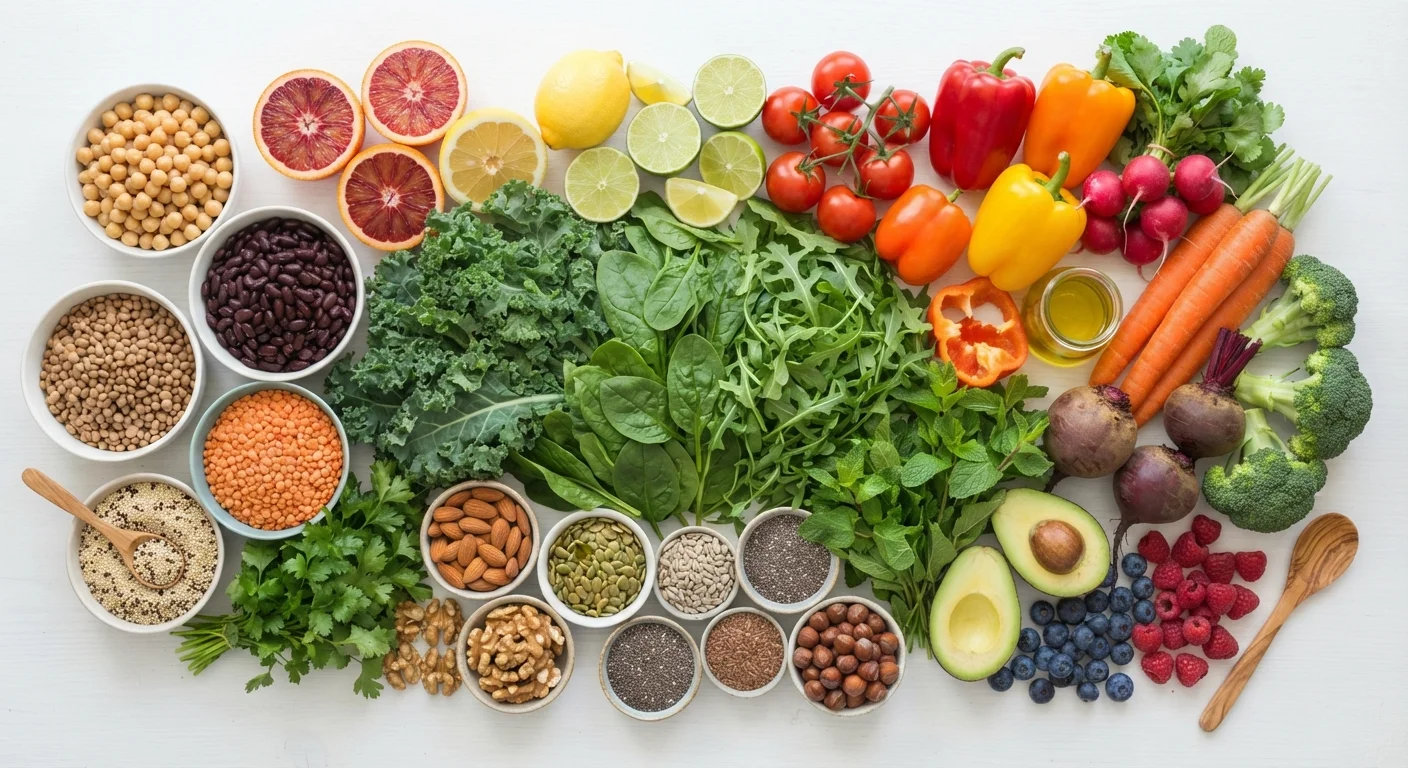
Photo: ArticleHood.com | Precision In Every Word editorial
What Are Vitamins and Minerals - and Why Do They Matter?
Vitamins and minerals are micronutrients - compounds your body needs in relatively small amounts but cannot function properly without. Unlike macronutrients (protein, carbohydrates, and fat), they don't supply direct energy, but they enable virtually every process that keeps you alive and well: immune defense, bone formation, nerve signaling, wound healing, and more.
Vitamins are organic compounds, meaning they're made by living organisms and can be broken down by heat, light, or acids. Minerals are inorganic elements sourced from soil and water that plants and animals absorb. Both categories are further divided into subgroups with distinct behaviors in the body. For a broader foundation, see A First Look at Nutrition for core concepts covering all nutrient types.
Micronutrient
A vitamin or mineral required by the body in small quantities. Unlike macronutrients, micronutrients don't provide calories but are essential for normal physiological function.
Fat-soluble vitamin
Vitamins A, D, E, and K, which dissolve in fat and are stored in body tissue. Because they accumulate, excess intake - especially through supplements - can reach harmful levels over time.
Water-soluble vitamin
Vitamins C and the B-complex group, which dissolve in water and are not stored in significant quantities. Excess amounts are generally excreted through urine, requiring regular dietary replenishment.
Trace mineral
An essential mineral required by the body in very small amounts - typically less than 100 mg per day. Examples include iron, zinc, iodine, and selenium.
Bioavailability
The proportion of a nutrient that is actually absorbed and used by the body after ingestion. It varies by food source, preparation method, and individual digestive health.
Recommended Dietary Allowance (RDA)
The average daily intake level sufficient to meet the nutritional needs of nearly all healthy individuals in a specific age and sex group, as established by the National Academies of Sciences.
Key Vitamins: What Each One Does and Where to Find It
The thirteen recognized vitamins split into two categories based on how the body stores them:
- Fat-soluble vitamins (A, D, E, K) are stored in body fat and the liver. Because they accumulate, excessive supplementation carries more risk than with water-soluble types.
- Water-soluble vitamins (C and the eight B vitamins) are not stored in meaningful amounts; excess is excreted in urine, making regular dietary intake important.
Fat-Soluble Vitamins
| Vitamin | Primary Role | Common Food Sources |
|---|---|---|
| A (Retinol / Beta-carotene) | Vision, immune function, skin integrity | Liver, dairy, sweet potato, carrots, leafy greens |
| D | Calcium absorption, bone health, immune modulation | Fatty fish, egg yolks, fortified dairy; skin synthesis from sunlight |
| E | Antioxidant protection, immune support | Sunflower seeds, almonds, vegetable oils, spinach |
| K | Blood clotting, bone metabolism | Kale, broccoli, Brussels sprouts, fermented foods |
Water-Soluble Vitamins
| Vitamin | Primary Role | Common Food Sources |
|---|---|---|
| C | Collagen synthesis, antioxidant, iron absorption aid | Citrus fruits, bell peppers, strawberries, broccoli |
| B1 (Thiamine) | Energy metabolism, nerve function | Whole grains, legumes, pork |
| B2 (Riboflavin) | Energy production, cellular growth | Dairy, eggs, lean meats, almonds |
| B3 (Niacin) | DNA repair, energy metabolism | Poultry, fish, peanuts, whole grains |
| B5 (Pantothenic acid) | Hormone synthesis, energy metabolism | Mushrooms, avocado, chicken, sunflower seeds |
| B6 | Protein metabolism, neurotransmitter production | Chickpeas, bananas, poultry, potatoes |
| B7 (Biotin) | Fat and carbohydrate metabolism, hair and nail support | Eggs, salmon, nuts, sweet potato |
| B9 (Folate) | DNA synthesis, cell division, fetal neural development | Dark leafy greens, legumes, fortified grains |
| B12 | Nerve function, red blood cell formation | Meat, fish, dairy, eggs; fortified plant foods |
Supplements Are Not a Direct Substitute for Food
Essential Minerals: Functions and Food Sources
Minerals are classified by the amounts your body requires. Major minerals (also called macrominerals) are needed in larger quantities; trace minerals are required in smaller but still essential amounts.
| Total recognized vitamins | 13 (National Institutes of Health, Office of Dietary Supplements) |
| Essential dietary minerals | ~16 (National Academies of Sciences, Engineering, and Medicine) |
| Most common micronutrient deficiency globally | Iron deficiency (World Health Organization) |
| Vitamin D synthesis source | Skin exposure to UVB sunlight (NIH Office of Dietary Supplements) |
| B12 concern for plant-based diets | Not naturally present in plant foods (Academy of Nutrition and Dietetics) |
Major Minerals
| Mineral | Primary Role | Common Food Sources |
|---|---|---|
| Calcium | Bone and tooth structure, muscle contraction, nerve signaling | Dairy, fortified plant milks, broccoli, kale, canned sardines |
| Magnesium | Enzyme activity, blood pressure regulation, muscle and nerve function | Nuts, seeds, legumes, whole grains, dark chocolate |
| Potassium | Fluid balance, heart rhythm, muscle contraction | Bananas, potatoes, beans, dairy, leafy greens |
| Sodium | Fluid balance, nerve transmission | Table salt, processed foods, soy sauce (often overconsumption is the concern) |
| Phosphorus | Bone formation, energy storage (ATP), cell membranes | Meat, dairy, fish, legumes, nuts |
Key Trace Minerals
| Mineral | Primary Role | Common Food Sources |
|---|---|---|
| Iron | Oxygen transport (hemoglobin), energy metabolism | Red meat, shellfish, legumes, tofu, fortified cereals |
| Zinc | Immune function, wound healing, protein synthesis | Oysters, beef, pumpkin seeds, legumes |
| Iodine | Thyroid hormone production | Seaweed, seafood, dairy, iodized salt |
| Selenium | Antioxidant defense, thyroid function | Brazil nuts, seafood, whole grains, eggs |
| Copper | Iron metabolism, connective tissue formation | Shellfish, nuts, seeds, organ meats |
Eating a varied diet that includes vegetables, legumes, whole grains, and quality protein sources covers most micronutrient needs for healthy adults. If you'd like to understand how these nutrients appear on food packaging, our guide to reading nutrition labels explains each section in plain terms. For more on balanced eating habits, explore the Eating Well hub.
This article is for general informational purposes only and does not constitute medical or nutritional advice. Individual needs vary significantly based on age, health status, and other factors. Consult a qualified healthcare professional or registered dietitian before making significant changes to your diet or starting any supplement regimen.
The content on this site is for informational purposes only and is not a substitute for professional advice. Always consult a qualified professional for guidance specific to your situation.