
Reading a Nutrition Label Without Getting Lost in the Numbers

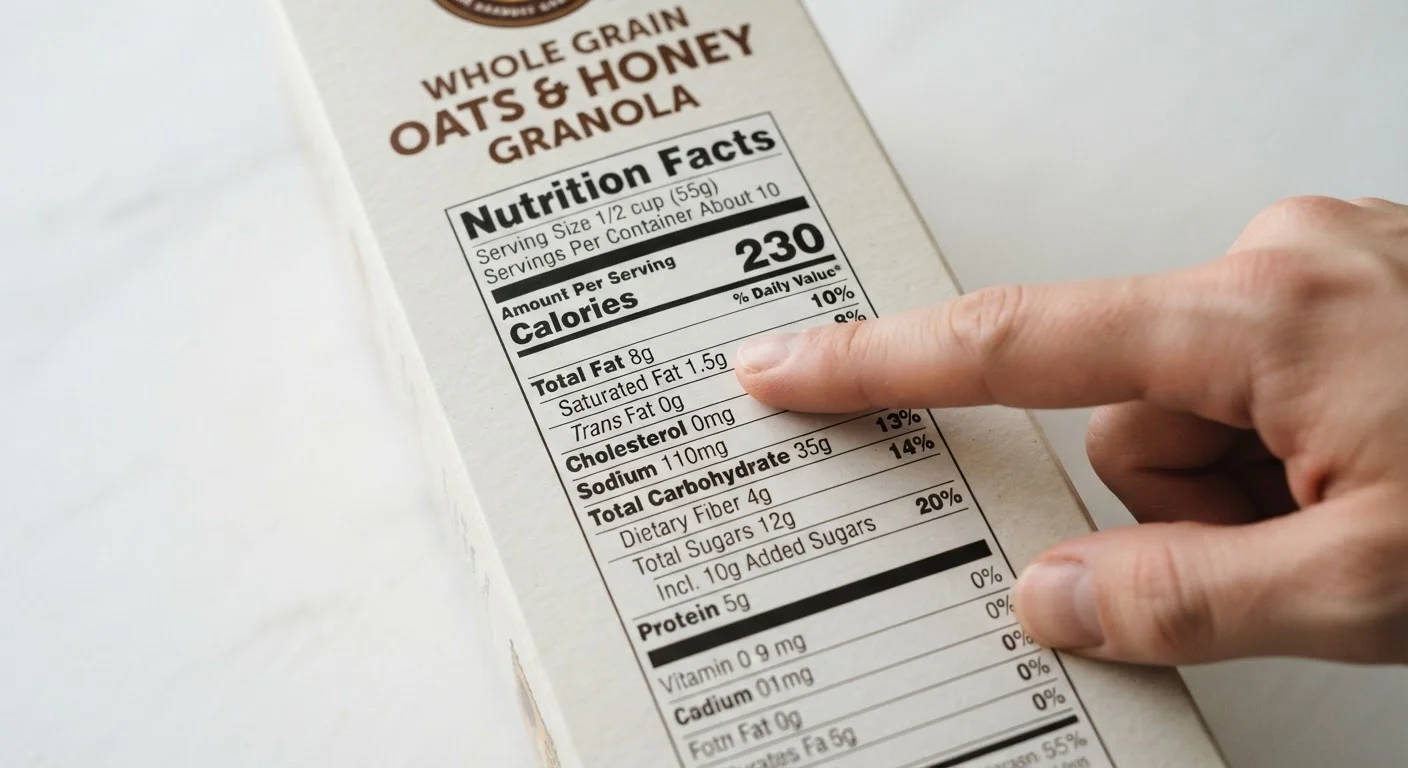
Photo: ArticleHood.com | Precision In Every Word editorial
Key Takeaways
- Serving size is the anchor for every other number on the label - always check it first.
- % Daily Value (%DV) helps you gauge whether a nutrient amount is high or low relative to general recommendations.
- Saturated fat, sodium, and added sugars are the nutrients most worth limiting for most people.
- Fiber, vitamins, and minerals are nutrients worth seeking out in higher amounts.
- Calorie counts are estimates based on standardized systems and carry a margin of error.
Why the Nutrition Facts Panel Exists - and What It Can and Can't Tell You
The Nutrition Facts panel is a mandatory, standardized disclosure required by the U.S. Food and Drug Administration (FDA) on most packaged foods. Its format was significantly updated in 2016 to reflect advances in nutrition science - including the addition of a separate line for added sugars and updated serving sizes to better match actual eating habits.
What the label does well: it gives you consistent, comparable data across products in a regulated format. What it doesn't do: it can't account for the full complexity of your diet, your individual metabolism, or the quality of a food beyond its measurable components. A highly processed food and a minimally processed one can look similar on paper if their macronutrient profiles align. For a broader look at label language, our guide on what food labels are actually telling you covers front-of-package claims and marketing terms that operate separately from the Nutrition Facts panel.
Understanding the label's structure removes the guesswork. The panel is organized in a deliberate sequence - serving information at the top, calories prominently displayed, then a hierarchy of nutrients. Once you recognize that logic, the numbers become navigable rather than overwhelming.
Labels Are General Information, Not Personal Prescriptions
How to Read the Nutrition Facts Panel Step by Step
Follow these steps with an actual package in hand - any packaged food will do. The format is standardized, so the skills you build here transfer across products.
What you will need
Start with the serving size
The very top of the Nutrition Facts panel shows the serving size - for example, "2 cookies (30g)" - and the servings per container. Every single number that follows on the label applies to one serving only, not the whole package. Before reading anything else, identify how many servings you actually plan to eat and adjust accordingly.
Check the calorie count
Immediately below the serving information, you'll find the calories per serving displayed in large type. This figure represents the total energy one serving provides. Keep in mind that calorie figures are estimates derived from a calculation system - for a deeper look at why, see why label calorie counts are always approximate.
Review nutrients to limit
The next section lists nutrients most Americans tend to consume in excess: total fat (broken down into saturated and trans fat), cholesterol, and sodium. Further down, added sugars - distinguished from naturally occurring sugars - also appear here. Current dietary guidance generally supports keeping these lower for most people, though individual needs vary.
Identify nutrients to seek out
Below the limiting nutrients, you'll find dietary fiber, total sugars (with added sugars broken out), protein, and a micronutrient section covering vitamins and minerals like Vitamin D, calcium, iron, and potassium. These are nutrients many people fall short on. Higher %DV values here are generally desirable. For a broader reference on what these nutrients do, see our micronutrients reference guide.
Interpret the % Daily Value column
The % Daily Value (%DV) column runs down the right side of the panel. It tells you what percentage of the recommended daily intake for each nutrient one serving provides, based on a 2,000-calorie reference diet. It's a relative benchmark - useful for quick comparison between products or to gauge whether a food is high or low in a given nutrient.
Cross-reference the ingredient list
The Nutrition Facts panel works best when read alongside the ingredient list, which appears separately on the package. Ingredients are listed by weight in descending order - so the first few ingredients make up the bulk of what you're eating. For a detailed walkthrough of how ingredient lists work, see reading an ingredient list without getting lost. Together, the two sections give a much more complete picture than either one alone.
The 5% and 20% Rule of Thumb
Watch for Multi-Serving Packages
For a closer look at where misreads typically happen - including serving size confusion and %DV misinterpretation - the common nutrition panel mistakes guide is a useful next step. And if you want context on how what you eat fits into a broader eating pattern, see what a balanced diet actually means.
This article provides general nutrition education and is not a substitute for personalized dietary advice. Consult a registered dietitian or qualified healthcare professional for guidance tailored to your individual health needs.
The content on this site is for informational purposes only and is not a substitute for professional advice. Always consult a qualified professional for guidance specific to your situation.