
Mindfulness Meditation: A Realistic Look at Its Strengths and Limitations

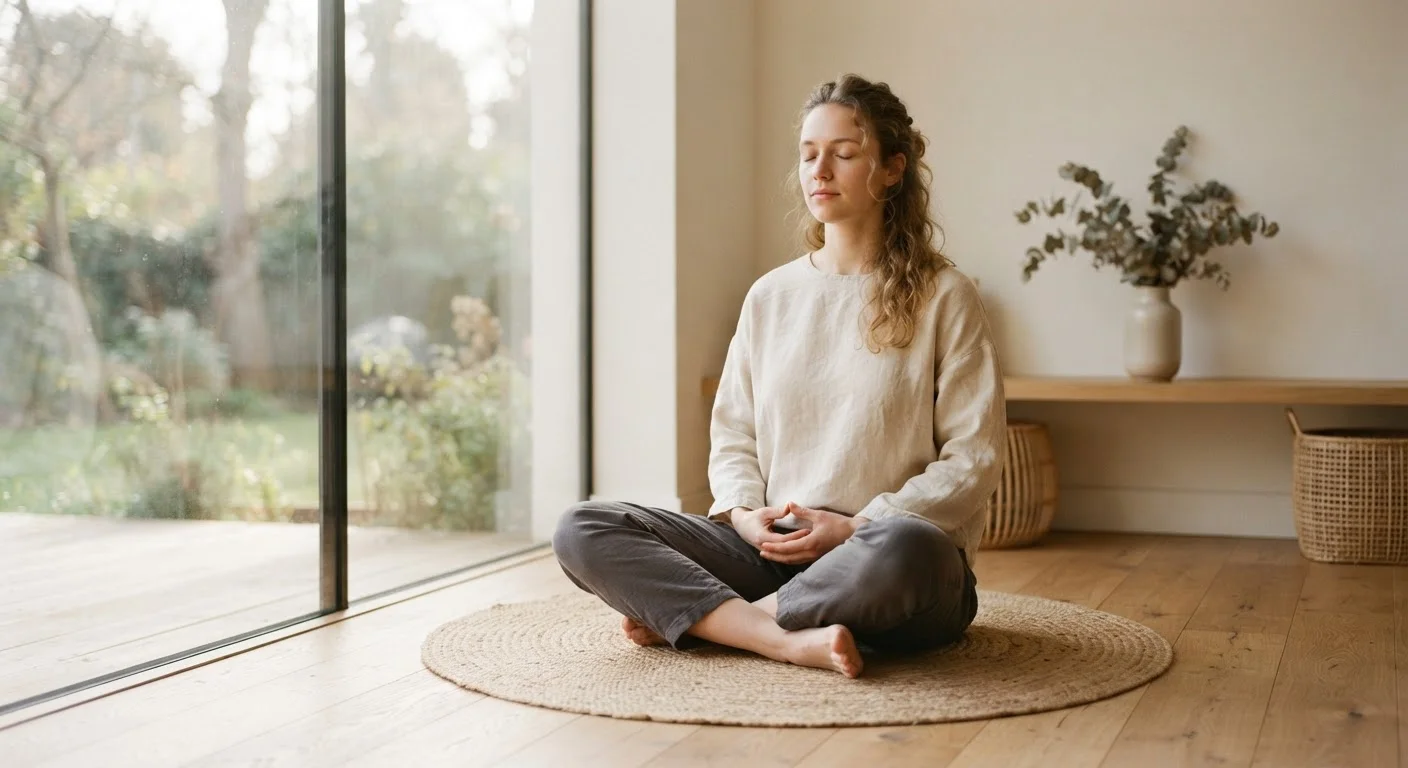
Photo: ArticleHood.com | Precision In Every Word editorial
Key Takeaways
- Mindfulness meditation has strong research support for reducing stress and improving emotional regulation.
- It is not a replacement for professional mental health treatment or therapy.
- Benefits tend to build gradually and require consistent practice over time.
- Mindfulness may not suit everyone, and some people may find certain techniques distressing.
- Used alongside other strategies, mindfulness can be a meaningful part of a broader wellness approach.
Reduces perceived stress and anxiety symptoms
Multiple meta-analyses show that regular mindfulness practice produces moderate, reliable reductions in self-reported stress and anxiety across varied populations, including workplace and clinical settings.
Supports relapse prevention in recurrent depression
Mindfulness-Based Cognitive Therapy (MBCT) has strong clinical trial support for reducing the risk of depressive relapse, particularly in individuals who have experienced three or more episodes.
Improves attentional focus and emotional regulation
Research in cognitive psychology suggests that sustained mindfulness practice can improve the ability to direct and sustain attention, and to respond to emotional triggers with greater deliberateness rather than reactivity.
Low barrier to entry and widely accessible
Mindfulness requires no equipment, specialized setting, or significant time commitment to begin. Freely available guided resources - books, recordings, and low-cost apps - make it one of the more accessible mental wellness strategies available.
May support physical health outcomes
Some research links mindfulness practice to modest improvements in blood pressure, sleep quality, and immune markers, though these effects are generally secondary and the evidence is less robust than findings for psychological outcomes.
Not a treatment for serious mental health conditions
Mindfulness is not a clinical therapy and is not designed to treat conditions such as severe depression, bipolar disorder, PTSD, or psychosis. Substituting it for evidence-based professional treatment can delay necessary care.
Can provoke distress in some individuals
A notable minority of practitioners - particularly those with trauma histories - report increases in anxiety, dissociation, or distressing intrusive thoughts during or after meditation. This is documented in clinical literature and warrants professional guidance for vulnerable individuals.
Benefits require sustained, consistent practice
Unlike a one-time intervention, mindfulness gains are cumulative and can diminish if practice lapses. Many people find it difficult to maintain the regularity that produces measurable benefit amid busy or unpredictable schedules.
Commercial and cultural oversimplification is common
Mindfulness has been heavily commercialized and is sometimes marketed with exaggerated claims - from curing burnout to boosting productivity - that exceed what the evidence supports and can set practitioners up for disappointment.
Effect sizes are often modest in research
While the direction of evidence is generally positive, many rigorous studies find effect sizes that are moderate rather than large, meaning a meaningful proportion of people experience little or no noticeable benefit.
What Mindfulness Meditation Actually Is
Mindfulness meditation is the practice of deliberately directing attention to the present moment - typically to the breath, bodily sensations, or surrounding sounds - while observing thoughts and feelings without judgment. Rooted in Buddhist contemplative traditions, it has been adapted over decades into secular, clinically studied formats such as Mindfulness-Based Stress Reduction (MBSR) and Mindfulness-Based Cognitive Therapy (MBCT).
It's worth separating the general concept of mindfulness from structured programs. Informal mindfulness (pausing to notice your surroundings during a walk) and formal meditation practice (seated breath-focused sessions) are related but distinct. Most of the clinical evidence pertains to structured, regular practice rather than occasional moments of intentional attention. If you're new to the broader topic, understanding your mental health basics provides helpful grounding before diving into specific techniques.
What the Evidence Says: The Genuine Benefits
The research base for mindfulness is substantial, though it varies in quality. The strongest evidence supports the following:
Reduces perceived stress and anxiety symptoms
Multiple meta-analyses show that regular mindfulness practice produces moderate, reliable reductions in self-reported stress and anxiety across varied populations, including workplace and clinical settings.
Supports relapse prevention in recurrent depression
Mindfulness-Based Cognitive Therapy (MBCT) has strong clinical trial support for reducing the risk of depressive relapse, particularly in individuals who have experienced three or more episodes.
Improves attentional focus and emotional regulation
Research in cognitive psychology suggests that sustained mindfulness practice can improve the ability to direct and sustain attention, and to respond to emotional triggers with greater deliberateness rather than reactivity.
Low barrier to entry and widely accessible
Mindfulness requires no equipment, specialized setting, or significant time commitment to begin. Freely available guided resources - books, recordings, and low-cost apps - make it one of the more accessible mental wellness strategies available.
May support physical health outcomes
Some research links mindfulness practice to modest improvements in blood pressure, sleep quality, and immune markers, though these effects are generally secondary and the evidence is less robust than findings for psychological outcomes.
MBCT, in particular, is recognized by clinical guidelines in several countries as an effective approach for reducing relapse in recurrent depression. For stress and anxiety, multiple meta-analyses - large studies pooling data from many individual trials - show consistent, moderate reductions in symptoms across diverse populations.
If you find meditation difficult in high-stress moments, grounding techniques for overwhelm offer complementary, immediately accessible strategies.
~0.5
Average effect size for mindfulness on anxiety and depression
A frequently cited 2014 meta-analysis published in JAMA Internal Medicine found a moderate effect size (around 0.5) for mindfulness meditation programs on anxiety, depression, and pain outcomes.
43%
Reduction in depressive relapse risk with MBCT
Research summarized in clinical guidelines suggests MBCT reduces relapse risk in recurrent depression by roughly 43% compared to usual care, particularly for high-risk patients.
Real Limitations Worth Knowing
The widespread enthusiasm for mindfulness has, at times, outpaced the evidence. A candid look reveals several important caveats:
Not a treatment for serious mental health conditions
Mindfulness is not a clinical therapy and is not designed to treat conditions such as severe depression, bipolar disorder, PTSD, or psychosis. Substituting it for evidence-based professional treatment can delay necessary care.
Can provoke distress in some individuals
A notable minority of practitioners - particularly those with trauma histories - report increases in anxiety, dissociation, or distressing intrusive thoughts during or after meditation. This is documented in clinical literature and warrants professional guidance for vulnerable individuals.
Benefits require sustained, consistent practice
Unlike a one-time intervention, mindfulness gains are cumulative and can diminish if practice lapses. Many people find it difficult to maintain the regularity that produces measurable benefit amid busy or unpredictable schedules.
Commercial and cultural oversimplification is common
Mindfulness has been heavily commercialized and is sometimes marketed with exaggerated claims - from curing burnout to boosting productivity - that exceed what the evidence supports and can set practitioners up for disappointment.
Effect sizes are often modest in research
While the direction of evidence is generally positive, many rigorous studies find effect sizes that are moderate rather than large, meaning a meaningful proportion of people experience little or no noticeable benefit.
It's also worth noting that mindfulness research often has methodological limitations - small sample sizes, lack of active control groups, and reliance on self-reported outcomes. This doesn't invalidate the findings, but it does mean readers should approach sweeping claims with some skepticism. For a broader perspective on separating mental health fact from fiction, mental health myths examined against the evidence is a useful companion read.
Mindfulness Is Not Meditation-Only
How to Approach Mindfulness Realistically
For those who want to explore mindfulness, a few principles can help set expectations appropriately:
- Start small and consistent. Even brief daily sessions - around 10 minutes - practiced regularly tend to yield more benefit than occasional longer attempts.
- Choose a format that fits your life. Guided audio sessions, apps, in-person courses, and book-based programs all have merit; the best format is one you'll actually use.
- Don't abandon other supports. Mindfulness works best as part of a broader approach to wellbeing, not as a standalone fix. Physical activity, social connection, sleep, and professional support where needed all matter equally or more for many people.
- Notice how it affects you. If meditation consistently leaves you more anxious, dissociated, or distressed rather than calmer, that's meaningful information. Speak with a healthcare professional before continuing.
Just as preventive health habits carry genuine but bounded benefits, mindfulness rewards honest expectation-setting. Committing to it as one useful habit - rather than a transformation - tends to produce the most durable results.
This article is for general informational purposes only and is not a substitute for professional medical or mental health advice. If you are experiencing significant mental health difficulties, please consult a qualified healthcare provider.
The content on this site is for informational purposes only and is not a substitute for professional advice. Always consult a qualified professional for guidance specific to your situation.