
Grounding Techniques for Moments of Overwhelm

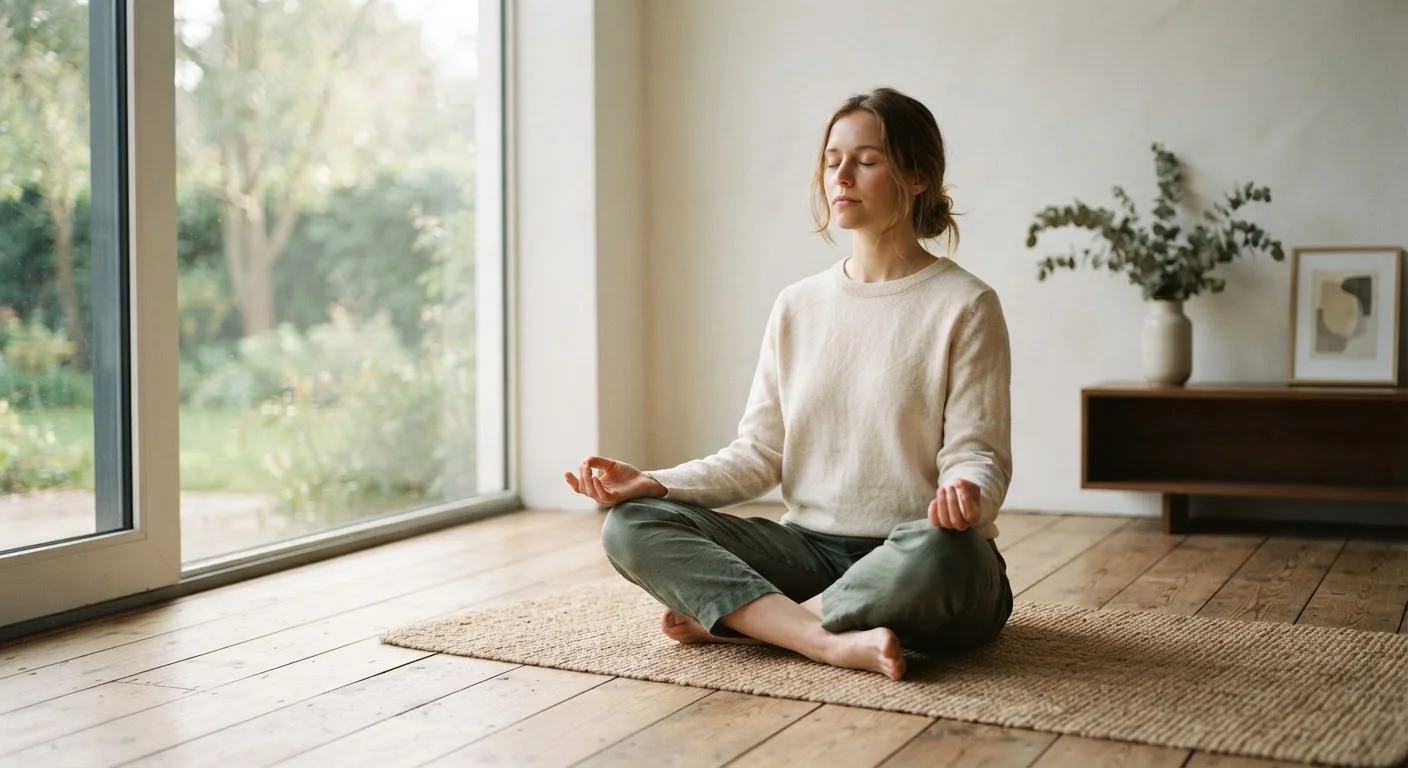
Photo: ArticleHood.com | Precision In Every Word editorial
Key Takeaways
- Grounding techniques work by redirecting attention to the present moment, interrupting cycles of anxious thinking.
- Several evidence-informed methods exist - sensory, physical, and cognitive - allowing you to find what suits you.
- These exercises are tools for everyday stress management, not substitutes for professional mental health care.
- Most grounding techniques can be practiced anywhere, in under five minutes, with no special equipment.
- Consistent practice tends to make grounding more reliable and effective over time.
What Grounding Techniques Are - and Why They Work
Grounding techniques are simple, structured practices designed to anchor your awareness in the present moment when stress, anxiety, or emotional overwhelm makes it hard to think clearly. Rather than analyzing or suppressing difficult feelings, grounding works by redirecting attention - to your senses, your body, or your immediate surroundings - which can interrupt the mental spiral that intensifies distress.
The underlying principle is well-supported by research in cognitive and behavioral psychology. When the brain perceives threat - real or imagined - it activates a stress response that narrows attention and amplifies worry. Deliberately engaging the senses or slowing the breath signals the nervous system that immediate danger is not present, creating a brief but valuable window of calm. For a broader foundation on how emotional well-being and mental health interact, see our beginner's guide to mental health.
Grounding is not a cure for anxiety disorders or chronic stress, and it works best as one part of a broader self-care approach. If you notice that overwhelm is frequent or disruptive, our article on when stress warrants a conversation with a professional can help you assess whether additional support may be useful.
Practice When You're Calm, Too
Tools and Conditions That Help
Grounding requires almost nothing in terms of equipment, which is part of what makes it practical. A few simple supports can make specific techniques easier to access.
Quiet space
Reduces competing sensory input so you can focus on the grounding technique, especially when starting out.
A textured object (e.g., smooth stone, fabric, stress ball)
Provides a tactile anchor for sensory-based grounding exercises like body scanning and touch awareness.
A timer or watch
Helps you commit to a defined practice period without watching the clock, which can itself become a distraction.
A journal or notepad
Useful for cognitive grounding exercises that involve writing lists or observations to externalize anxious thoughts.
Step-by-Step Grounding Techniques to Try
The following techniques draw on sensory awareness, controlled breathing, and cognitive redirection. You don't need to master all of them - start with one and build from there. For insight into patterns that might be undermining your stress management efforts in the first place, common habits that make stress worse is worth reading alongside this guide.
Try the 5-4-3-2-1 Sensory Method
This widely used technique systematically engages all five senses to draw attention into the present. Work through each sense in turn:
- 5 things you can see - look around and name them silently or aloud.
- 4 things you can physically feel - the chair beneath you, the texture of your clothing, the air temperature.
- 3 things you can hear - traffic, a fan, your own breathing.
- 2 things you can smell - even subtle scents count.
- 1 thing you can taste - a sip of water can help if nothing is immediately apparent.
Move slowly through each item. The goal is specificity, not speed.
Use Box Breathing to Slow Your Nervous System
Controlled breathing is one of the most accessible ways to activate the body's calming (parasympathetic) response. Box breathing is a structured pattern used in clinical and performance settings:
- Inhale slowly through your nose for a count of 4.
- Hold your breath for a count of 4.
- Exhale fully through your mouth for a count of 4.
- Hold for a count of 4 before the next inhale.
Repeat for three to five full cycles. Adjust the count to whatever feels comfortable - the equal rhythm matters more than the specific number.
Try Physical Grounding Through Your Feet
This technique uses direct body contact with a surface to interrupt anxious mental activity. It works particularly well when you're standing or seated:
- Plant both feet flat on the floor.
- Press down gently but deliberately, noticing the sensation of weight and contact.
- Curl and uncurl your toes slowly, paying attention to the movement.
- Notice the texture underfoot if you're barefoot, or the firmness of your shoes.
Continue focusing on these sensations for 60 to 90 seconds. This simple physical act can create a strong sense of stability when thoughts feel chaotic.
Use a Cognitive Listing Exercise
When anxious thinking feels circular, structured mental tasks can interrupt the loop. Choose any of the following:
- Name every item in the room that is a specific color.
- List the days of the week or months of the year backward.
- Think of five things you are grateful for - specific and concrete, not abstract.
- Describe your immediate environment as if narrating to someone who cannot see it.
The point is not the content of the list - it is the act of structured, deliberate thinking, which occupies the cognitive space that worry would otherwise fill.
Apply Temperature as a Sensory Reset
Sudden, mild temperature changes can quickly shift physiological arousal and redirect attention. Options include:
- Holding an ice cube or a cold glass of water for 20-30 seconds.
- Running cold water over your wrists or the back of your neck.
- Splashing cool water on your face.
- Stepping outside briefly if the temperature differs from indoors.
This approach is grounded in the same physiological principle as the 'dive reflex' - the body's natural response to cold, which slows the heart rate and reduces acute stress arousal.
Making Grounding a Reliable Habit
Like any skill, grounding becomes more accessible with repetition. Practicing a technique during calm moments - not just during peak stress - helps your nervous system learn the pattern so it's easier to execute when you actually need it. Think of it as rehearsal.
Grounding pairs naturally with other evidence-informed approaches. Mindfulness meditation shares similar attention-based principles and can complement grounding practice, though it has its own strengths and limits worth understanding. Overwhelm doesn't always stem from acute stress - financial anxiety and cluttered living environments are common contributors too. Our articles on building a healthier relationship with money and decluttering without the overwhelm address those specific contexts.
This article is for general informational and educational purposes only and does not constitute medical or psychological advice. If you are experiencing significant anxiety, panic, or mental health symptoms, please consult a qualified healthcare or mental health professional.
Grounding Is Not a Crisis Intervention
The content on this site is for informational purposes only and is not a substitute for professional advice. Always consult a qualified professional for guidance specific to your situation.