
Patterns That Make Stress Harder to Manage Than It Needs to Be

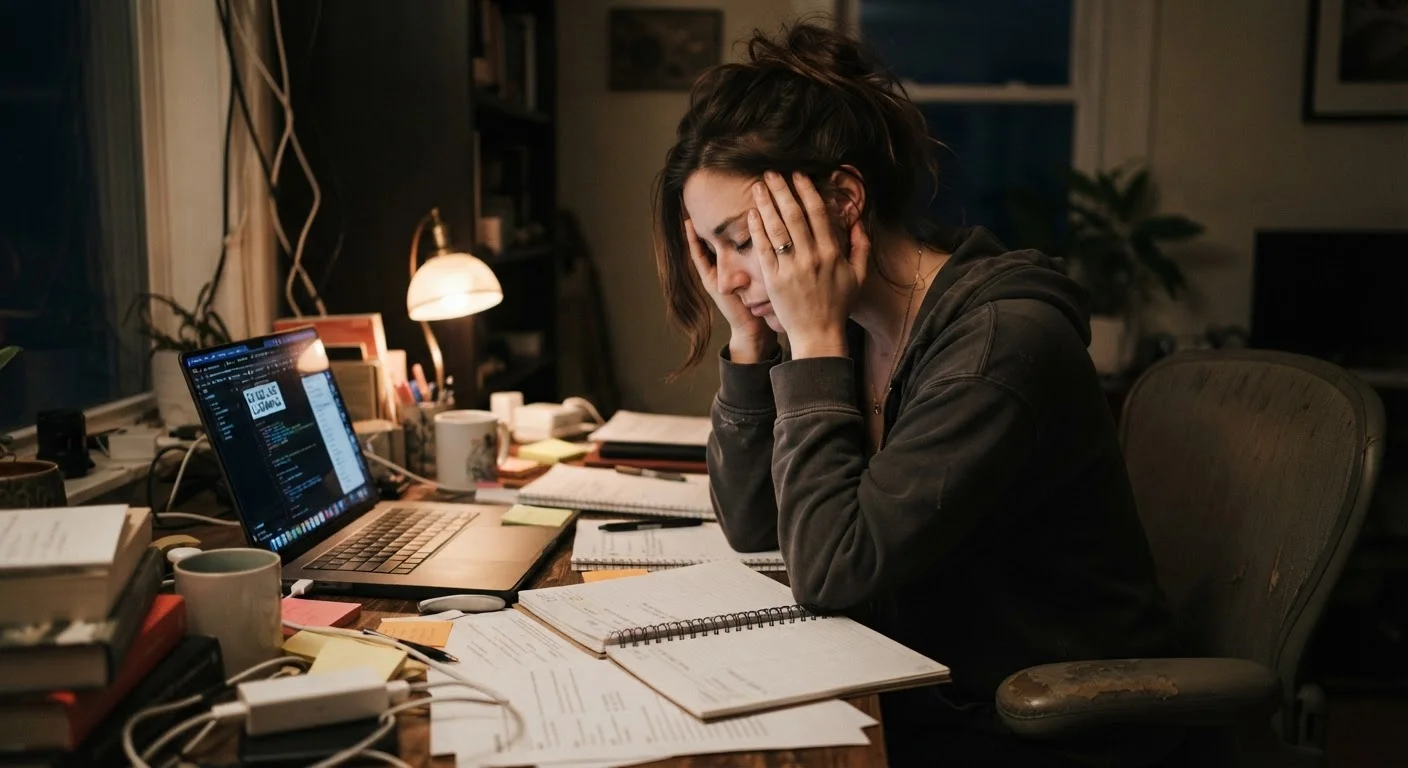
Photo: ArticleHood.com | Precision In Every Word editorial
Key Takeaways
- Avoidance and distraction feel like relief but often allow stressors to grow unchecked.
- Catastrophic thinking patterns amplify the emotional weight of stressful situations significantly.
- Sleep deprivation and poor boundaries are two of the most common stress-worsening habits.
- Recognising your personal stress patterns is a meaningful first step toward changing them.
Why Some Stress Responses Backfire
Stress is a normal, biological response - but the way we respond to it can either help us recover or quietly make things worse. Many people default to coping patterns that offer short-term relief while amplifying stress over time. The tricky part is that these patterns often feel logical, even helpful, in the moment.
Understanding which responses are working against you is not about self-criticism. It's about building the kind of self-awareness that opens the door to more effective options. The mistakes below are common precisely because they feel intuitive - and recognising them is genuinely useful.
This article is for general informational and educational purposes only. It is not a substitute for professional mental health advice, diagnosis, or treatment. If stress is significantly affecting your daily life, please reach out to a qualified healthcare professional.
Common Patterns That Compound Stress
The following mistakes show up frequently across different life situations. Each one is understandable - and each one is worth examining honestly.
Avoiding the source of stress rather than addressing it.
Catastrophising: mentally inflating the worst-case scenario as though it were likely.
Sacrificing sleep in response to a heavy workload or pressing worries.
Using constant distraction - scrolling, overworking, binge-watching - as a primary coping strategy.
Saying yes to everything and failing to set limits on demands on your time and energy.
77%
Adults reporting physical stress symptoms
According to the American Psychological Association's Stress in America surveys, a large majority of US adults regularly experience physical symptoms they associate with stress.
1 in 3
US adults not getting enough sleep
The CDC has reported that approximately one-third of US adults sleep fewer than the recommended seven hours per night, a figure closely linked to stress and mental health outcomes.
Building a More Workable Response
Changing ingrained patterns takes time, and it rarely happens all at once. A useful starting point is simply noticing which of the above patterns shows up most reliably for you - not to judge it, but to create a small gap between the stressor and your automatic response.
Practical techniques can help in acute moments. If you find yourself overwhelmed, grounding exercises are one evidence-informed approach to regaining focus when stress peaks. Over the longer term, consistent sleep, movement, and social connection remain among the most reliably supported buffers against chronic stress.
It's also worth noting that stress and financial pressure frequently interact - avoidance behaviours, for instance, can show up in money management just as readily as in emotional life. If you recognise any overlap, understanding financial self-sabotage may offer a useful parallel lens. Similarly, if you notice a habit of shopping or spending when you feel overwhelmed, the dynamics behind emotional spending are worth understanding.
If stress feels persistent or unmanageable despite your efforts, speaking with a mental health professional is a genuinely productive step - not a last resort.
The content on this site is for informational purposes only and is not a substitute for professional advice. Always consult a qualified professional for guidance specific to your situation.