
Why Sleep Deprivation Makes Emotional Regulation So Much Harder

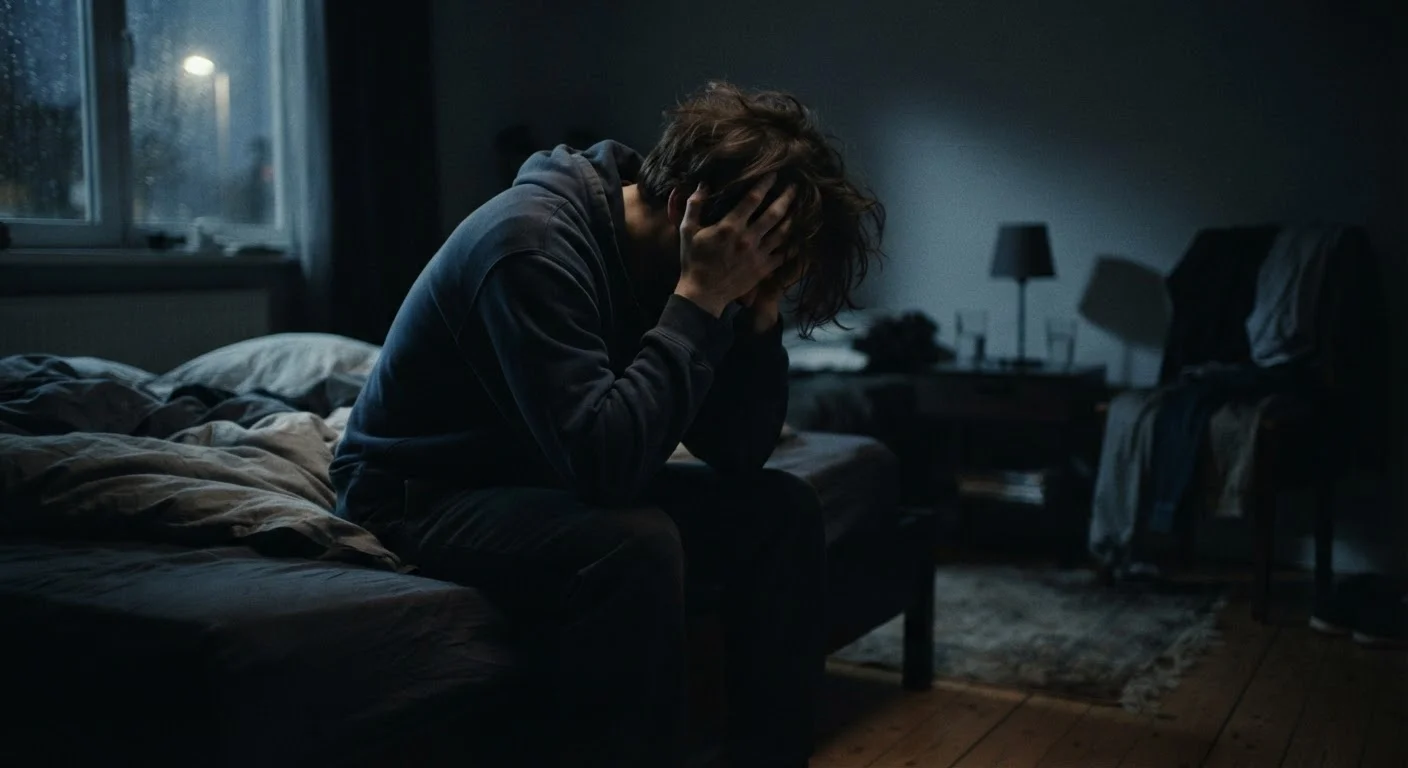
Photo: ArticleHood.com | Precision In Every Word editorial
Key Takeaways
- Sleep loss amplifies negative emotions while blunting positive ones, skewing overall mood.
- The brain's emotional control center is measurably less effective after even one poor night of sleep.
- Irritability, low frustration tolerance, and anxiety are common early signs of sleep deprivation.
- Consistent, quality sleep is one of the most evidence-supported tools for emotional resilience.
- Consult a healthcare professional if chronic poor sleep is significantly affecting your mood or daily life.
The Brain Under Sleep Pressure
Think of your brain's emotional regulation system as a skilled moderator sitting between what you feel and how you react. When you're well-rested, this moderator - largely coordinated by the prefrontal cortex - keeps impulsive or extreme responses in check. When sleep is cut short, that moderator goes offline.
Studies using brain imaging have shown that sleep-deprived individuals display significantly greater amygdala reactivity - the amygdala being the structure most associated with threat detection and fear. At the same time, connectivity between the amygdala and the prefrontal cortex weakens, meaning the brain loses its ability to apply rational perspective to emotional experiences. The result is a nervous system that is primed to overreact.
This isn't a matter of willpower or resilience. It reflects real, measurable changes in brain function that occur predictably with insufficient sleep. Understanding this can help reframe self-criticism: struggling emotionally after poor sleep is a physiological response, not a character flaw.
What Emotional Dysregulation Actually Looks Like
Sleep-deprived emotional dysregulation rarely announces itself clearly. More often it surfaces as:
- Low frustration tolerance - tasks or interruptions that would normally feel minor become genuinely intolerable.
- Heightened irritability - short tempers, snapping at people, regretting reactions afterward.
- Emotional amplification - negative feelings hit harder and last longer, while positive emotions feel muted.
- Impaired social reading - research suggests sleep-deprived people are more likely to misread neutral facial expressions as threatening or hostile.
This last point has meaningful social consequences. Misreading others' emotional signals can lead to unnecessary conflict, strained relationships, and compounding stress - all of which further disrupt sleep. It's a cycle that builds on itself.
To better understand the differences between transient emotional states and deeper mood patterns, see how emotions, moods, and mental states relate to each other.
~30%
U.S. adults sleeping less than 7 hours nightly
According to CDC surveillance data, roughly 1 in 3 American adults regularly fall short of recommended sleep duration.
60%
Greater amygdala reactivity after sleep loss
A widely cited neuroimaging study published in the journal Current Biology found amygdala responses to negative stimuli were approximately 60% stronger in sleep-deprived participants.
2x
Increased risk of mood disturbance with chronic short sleep
Epidemiological research consistently links habitual sleep of fewer than 6 hours per night with substantially elevated rates of depressive and anxiety symptoms.
Sleep Deprivation's Reach Beyond Mood
The emotional effects of poor sleep don't stay isolated to how you feel in the moment - they ripple into behavior and physical health. Appetite regulation is one notable area: sleep loss alters hunger hormones and appears to increase preference for calorie-dense foods, which researchers suggest may be partially mediated by stress and reward circuitry. For a fuller picture of these connections, explore how sleep and stress shape appetite and food choices.
Cognitively, sleep deprivation affects working memory and decision-making - the same resources needed to pause, reflect, and choose a measured response over a reactive one. This is why emotionally charged decisions made under exhaustion often look very different in hindsight.
The Bidirectional Relationship Matters
What You Can Do: Building a Foundation for Emotional Resilience
The most direct intervention is also the most straightforward: prioritizing consistent, sufficient sleep. While individual needs vary, sleep researchers and major health organizations broadly support seven to nine hours per night for most adults as a range associated with better health outcomes.
Behavioral strategies that support this goal include maintaining a consistent sleep schedule - even on weekends - limiting screen exposure in the hour before bed, and keeping the sleep environment cool, dark, and quiet. For a detailed look at which habits are actually backed by evidence, read about sleep hygiene practices that genuinely influence sleep quality.
Recognize the Sleep-Emotion Signal
If emotional difficulty or sleep problems are persistent, significantly affecting relationships or daily function, or accompanied by other symptoms, these warrant a conversation with a qualified healthcare professional. Chronic insomnia and mood disorders both have effective evidence-based treatments that go well beyond lifestyle adjustments alone.
This article is for informational purposes only and does not constitute medical advice. Always consult a qualified healthcare professional for concerns about your sleep or mental health.
Frequently Asked Questions
The content on this site is for informational purposes only and is not a substitute for professional advice. Always consult a qualified professional for guidance specific to your situation.