
Annual Physical Exam vs. Specialist Preventive Visit: When Each One Makes Sense

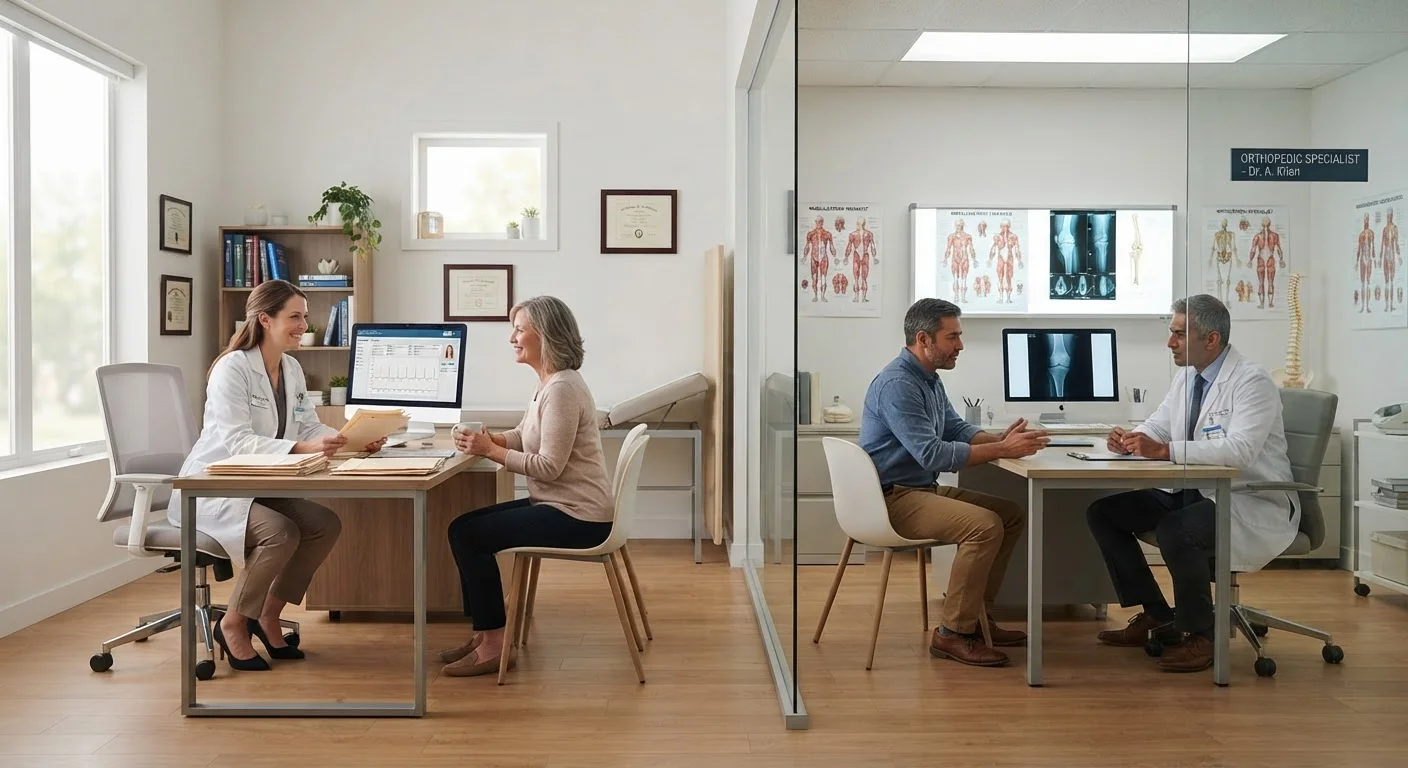
Photo: ArticleHood.com | Precision In Every Word editorial
Key Takeaways
- Annual physicals offer a whole-body health snapshot and coordinate care across multiple concerns.
- Specialist preventive visits are targeted and recommended based on age, risk, or clinical triggers.
- Both visit types can be complementary - having one does not replace the other.
- Insurance coverage rules differ between these two visit types; always verify before scheduling.
- Your primary care provider is often the best starting point for deciding when a specialist referral is warranted.
What Each Visit Actually Covers
An annual physical exam - sometimes called a wellness visit or preventive care visit - is conducted by a primary care physician, internist, or family medicine provider. It typically includes a review of your medical history, vital signs, blood work (such as cholesterol and blood glucose), and a general head-to-toe physical assessment. It's also an opportunity to discuss mental health, sleep, diet, and lifestyle habits. For a broader look at what these appointments typically detect, see how routine check-ups catch problems early.
A specialist preventive visit, by contrast, is a focused appointment with a clinician who has advanced training in a specific body system - think cardiology, dermatology, gastroenterology, or ophthalmology. These visits are built around evaluating risk for or early signs of a particular condition, using tools and protocols that go well beyond what a primary care setting is equipped to offer.
| Criterion | Annual Physical Exam | Specialist Preventive Visit |
|---|---|---|
| Provider type | Primary care physician or internist | Specialty-trained clinician (e.g., cardiologist, dermatologist) |
| Scope | Whole-body, multi-system overview | Single organ system or condition focus |
| Who initiates it | Patient or routine schedule | Referral or age/risk-based guideline |
| Typical frequency | Annually for most adults | Varies by screening type and risk level |
| Common tests included | Blood panel, vitals, physical assessment | Colonoscopy, echo, skin biopsy, etc. |
| Insurance classification | Often fully covered as preventive care | Coverage varies; may require prior authorization |
| Best suited for | Baseline health tracking and care coordination | High-risk individuals or milestone-triggered screenings |
When a General Physical Is the Right Starting Point
For most adults, the annual physical is the foundation of a functioning preventive care plan. It creates a longitudinal record of your health - tracking changes in weight, blood pressure, and lab values over time - that helps clinicians spot trends before they become problems. It's also where referrals to specialists typically originate.
Primary care visits are particularly valuable for people managing multiple health concerns simultaneously, those who haven't seen a doctor in several years, and anyone unsure where to begin with preventive care. Use our annual preventive care checklist to walk into your next physical fully prepared.
~50%
Adults skipping annual preventive visits
CDC data has consistently shown that roughly half of U.S. adults do not complete recommended preventive visits in a given year.
1 in 3
Preventable deaths linked to skipped screenings
The CDC estimates that about one-third of premature deaths in the U.S. could be delayed or prevented through established preventive measures, including routine screenings.
When a Specialist Preventive Visit Fills the Gap
Specialist preventive visits become appropriate - and sometimes essential - when risk factors or screening guidelines call for a level of evaluation that primary care cannot provide. A gastroenterologist performs colonoscopies; a dermatologist conducts full-body skin checks for melanoma risk; an ophthalmologist screens for glaucoma and diabetic retinopathy. These are not redundant with your physical - they're additive.
Age is one of the clearest triggers. Guidelines from major clinical bodies recommend specific screenings at defined intervals beginning at particular ages. Preventive health screenings every adult should know about provides a useful overview of the most widely recommended tests and when they apply.
It's also worth noting that not all specialist visits require a referral - some insurers allow direct scheduling for certain preventive services. However, coverage rules vary significantly, so always confirm your plan's requirements before booking.
Coverage Doesn't Always Mean Cost-Free
Building a Plan That Uses Both Wisely
The most effective approach to preventive care treats the annual physical and specialist visits as complementary rather than interchangeable. Your primary care provider plays a coordinating role - interpreting specialist findings, integrating them into your broader health picture, and flagging when the next targeted evaluation is due.
Between appointments, tracking relevant health indicators - blood pressure readings, blood glucose trends, or changes in skin or vision - can provide useful data for both your primary care physician and any specialists you see. Tracking your health between appointments explains which metrics are most worth monitoring and why.
Don't overlook mental health as part of this picture either. Routine mental health assessments are increasingly recognized as an essential complement to physical screenings. Learn how they fit into a complete plan at the role of mental health check-ins in preventive care.
This article is for general informational and educational purposes only and does not constitute medical advice. Always consult a qualified healthcare professional for guidance specific to your health situation, symptoms, or medical history.
The content on this site is for informational purposes only and is not a substitute for professional advice. Always consult a qualified professional for guidance specific to your situation.