
Primary Prevention vs. Secondary Prevention: Understanding the Two Layers of Proactive Health

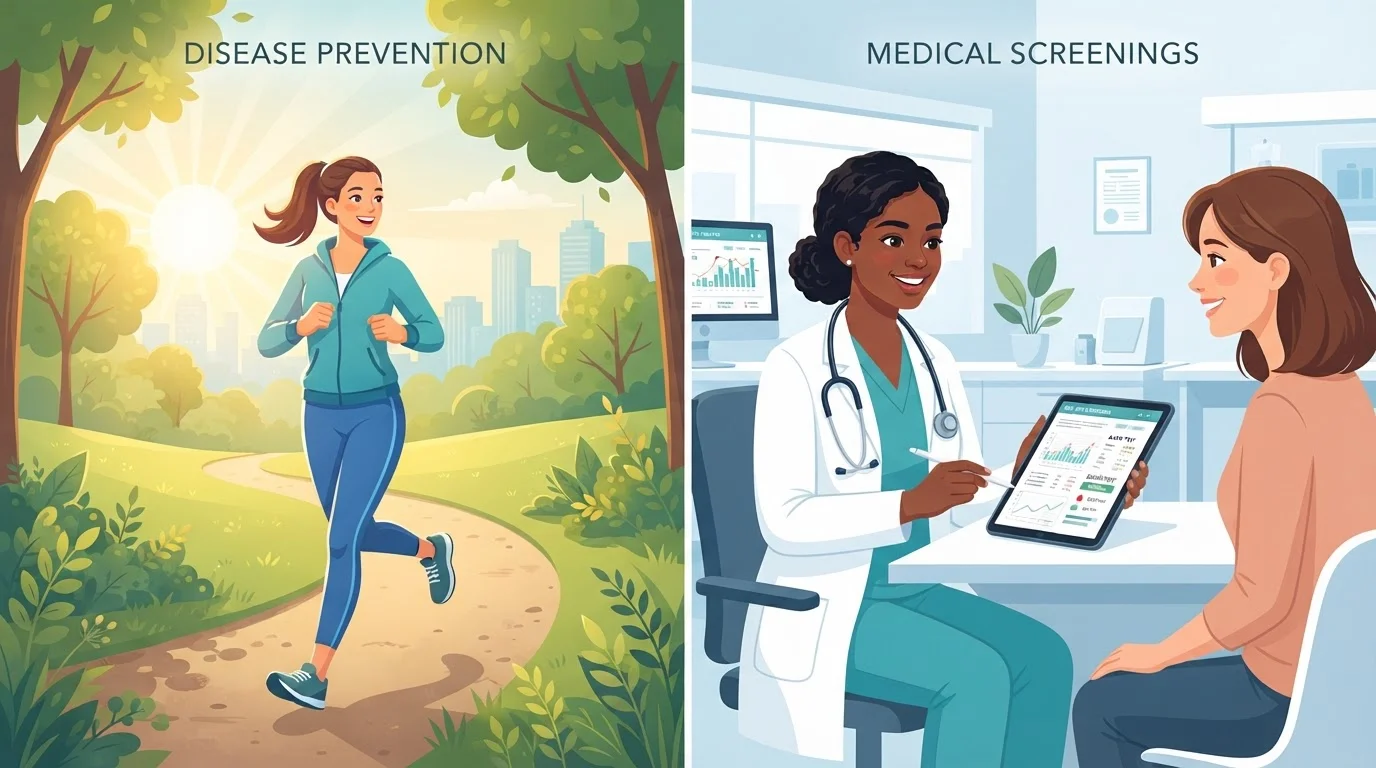
Photo: ArticleHood.com | Precision In Every Word editorial
Key Takeaways
- Primary prevention aims to stop disease from developing in the first place through lifestyle and protective measures.
- Secondary prevention focuses on detecting conditions early - before symptoms appear - to improve treatment outcomes.
- Both layers work together and are not interchangeable; a complete preventive care strategy includes both.
- Your risk profile, age, and family history influence which preventive steps deserve the most attention.
- A qualified healthcare provider can help you identify which screenings and habits are right for your situation.
What Each Type of Prevention Actually Means
The terms "primary prevention" and "secondary prevention" come from public health and clinical medicine, but they translate directly into everyday decisions most people already make - or could be making.
Primary prevention refers to actions taken before a disease or injury occurs. The goal is to eliminate or reduce risk factors entirely. Classic examples include getting vaccinated against infectious diseases, maintaining a balanced diet, exercising regularly, not smoking, and using sunscreen. These interventions target healthy individuals and aim to keep them that way.
Secondary prevention operates at a different stage. It assumes that a condition may already be developing - often without symptoms - and focuses on early detection and prompt intervention. Blood pressure checks, cholesterol screenings, mammograms, colonoscopies, and blood glucose tests are all secondary prevention tools. Catching a problem early generally means more treatment options and better outcomes.
A helpful way to think about it: primary prevention is the fence at the top of the cliff; secondary prevention is the ambulance at the bottom - but one that arrives before a crisis, not after.
For a broader overview of how these concepts fit into a larger health strategy, see our complete guide to preventive care.
How the Two Approaches Compare
While both forms of prevention serve the same ultimate goal - protecting your health - they differ significantly in timing, method, and who benefits most.
| Primary Prevention | Secondary Prevention | |
|---|---|---|
| When it acts | Before disease develops | After disease begins, before symptoms appear |
| Main goal | Eliminate or reduce risk factors | Early detection and timely intervention |
| Common examples | Vaccination, exercise, healthy diet, not smoking | Screenings, blood tests, imaging, check-ups |
| Who it targets | Healthy individuals | Asymptomatic individuals with potential risk |
| Personalization level | Broadly applicable lifestyle principles | Tailored to age, sex, and risk profile |
| Measurable outcome | Lower disease incidence over time | Earlier diagnosis, better treatment options |
One important distinction: primary prevention tends to have population-wide benefits, meaning it reduces risk broadly. Secondary prevention is more targeted, often calibrated to age, sex, and individual risk factors. That's why screening recommendations are not one-size-fits-all. For a closer look at how these priorities evolve over time, see how preventive care recommendations shift with age.
Why You Need Both - Not Just One
It's tempting to think that if you eat well and exercise, you've covered your bases. But primary prevention, while powerful, doesn't make you immune. Genetics, environmental exposures, and random biological variation mean some conditions can develop even in people who do everything "right."
Think of Prevention as Two Safety Nets
Conversely, relying solely on screenings without attending to lifestyle factors misses the preventive value of keeping risk low in the first place. Secondary prevention catches what primary prevention couldn't prevent - it isn't a substitute for healthy habits.
Nutrition and movement are foundational to primary prevention, but they work best when paired with regular check-ins that can flag concerns before they become problems. Understanding both layers helps you make more informed decisions about where to focus your energy.
It's also worth noting that preventive care has real limits. For a balanced perspective, read our overview of what preventive care can and can't guarantee.
Putting Both Layers Into Practice
Building a preventive care approach that incorporates both layers doesn't require an overhaul of your daily life. Start with the fundamentals of primary prevention - eating a balanced diet, staying physically active, avoiding tobacco, managing stress, and keeping up with recommended vaccines.
Then layer in secondary prevention by working with a healthcare provider to establish which screenings apply to you based on your age, sex, and medical history. Common guidelines come from organizations such as the U.S. Preventive Services Task Force (USPSTF), which issues evidence-based recommendations for screenings like blood pressure monitoring, diabetes testing, and cancer screenings.
80%
Of premature heart disease cases potentially preventable
The World Health Organization estimates that the majority of premature cardiovascular disease is preventable through lifestyle and risk-factor management - core elements of primary prevention.
5-year survival rate significantly higher
When cancers are caught at localized stage
According to the American Cancer Society, many cancers have substantially higher five-year survival rates when detected at an early, localized stage - the central goal of secondary prevention.
If you're not sure where to begin, our guide to building a preventive care routine from scratch walks through practical first steps for establishing sustainable habits.
This article is for general informational and educational purposes only and does not constitute medical advice. Always consult a qualified healthcare professional for guidance specific to your health situation.
The content on this site is for informational purposes only and is not a substitute for professional advice. Always consult a qualified professional for guidance specific to your situation.