
Why People Skip Preventive Care - and What That Tends to Cost Them

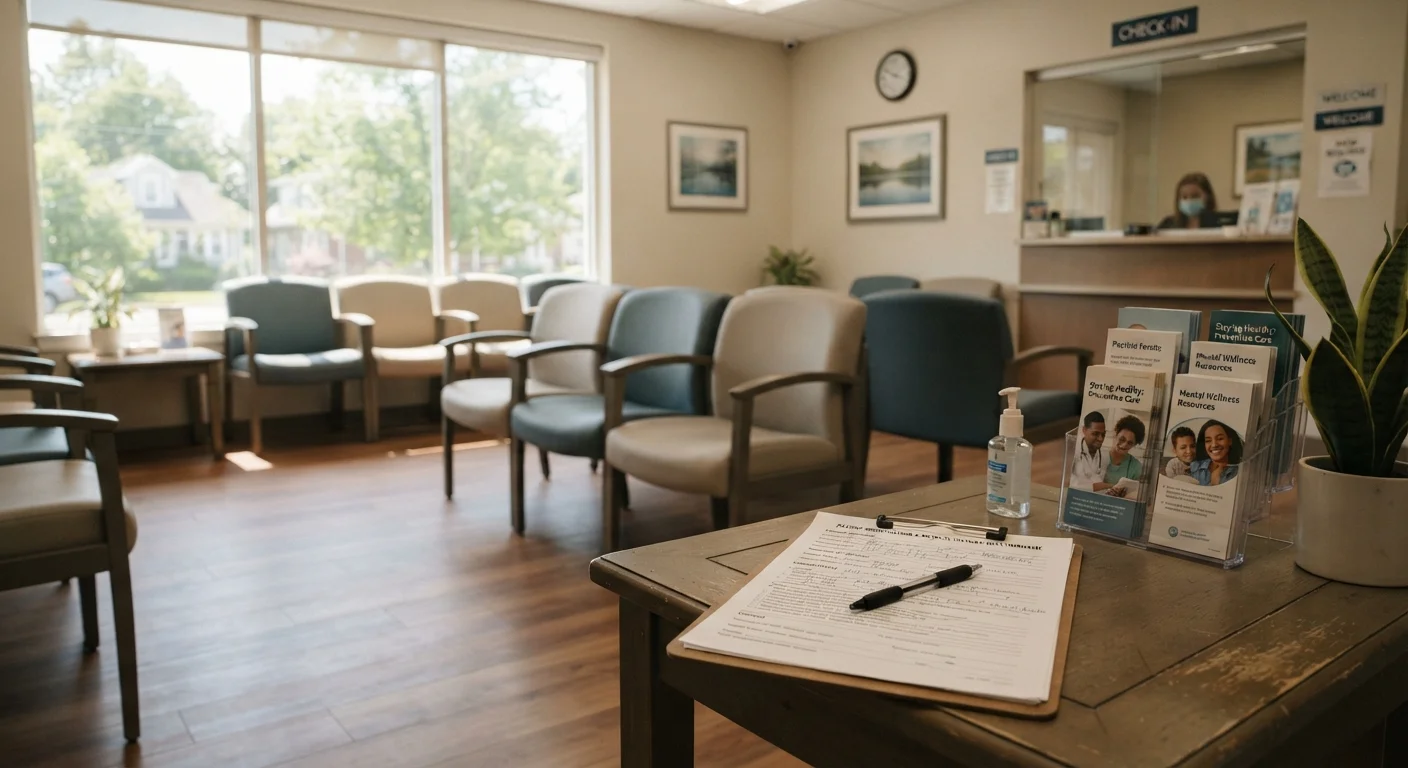
Photo: ArticleHood.com | Precision In Every Word editorial
Key Takeaways
- Many adults avoid preventive care due to cost concerns, time constraints, or simply feeling healthy.
- Skipping routine screenings allows conditions like hypertension, diabetes, and certain cancers to progress silently.
- Addressing barriers proactively - such as scheduling gaps or insurance confusion - significantly improves follow-through.
- Early detection through preventive care is generally associated with better health outcomes and lower treatment complexity.
- Feeling well is not the same as being well; many serious conditions develop without noticeable symptoms.
The Gap Between Knowing and Going
Most adults understand, in principle, that routine check-ups matter. Yet large numbers still skip annual physicals, recommended screenings, and preventive dental or vision care - sometimes for years at a stretch. The reasons are rarely laziness. They reflect real systemic, financial, and psychological barriers that deserve honest examination.
Understanding why people avoid preventive care is the first step toward removing those obstacles. And the consequences of avoidance - conditions caught late, complications that compound, treatments far more disruptive than a simple screening - make the stakes clear. This article explores the most common mistakes people make when it comes to preventive care and what evidence suggests about avoiding them.
For a deeper look at how screenings actually work, see The Science Behind Why Routine Check-Ups Catch Problems Early.
Assuming that feeling healthy means no check-up is needed.
Postponing care indefinitely due to cost concerns.
Letting a busy schedule push appointments off indefinitely.
Avoiding care due to anxiety about what might be found.
Losing continuity of care when changing jobs, moving, or losing insurance.
What Avoidance Tends to Cost
The consequences of skipping preventive care rarely appear immediately - which is part of what makes this pattern so persistent. Conditions such as hypertension, pre-diabetes, elevated cholesterol, and early-stage cancers can develop over months or years without causing noticeable symptoms. By the time a person feels unwell enough to seek care, the condition may be considerably harder to manage.
~50%
US adults who missed recommended preventive services
Research published in the American Journal of Preventive Medicine has found that roughly half of US adults do not receive all clinically recommended preventive services in a given year.
80%
Premature heart disease and stroke cases considered preventable
The CDC estimates that up to 80% of premature heart disease and stroke cases could be prevented through lifestyle changes and early medical intervention.
Beyond health outcomes, the financial implications are significant. Emergency care, hospitalization, and complex treatment regimens are almost always more expensive - both for individuals and the healthcare system - than the screenings designed to prevent them. This dynamic mirrors patterns found in other domains: deferred maintenance tends to compound into larger problems whether the subject is a vehicle or a human body.
Symptoms Are Not a Reliable Warning System
It's also worth examining the beliefs that make skipping feel safe. Some widely held assumptions about health and check-ups don't hold up under scrutiny. Preventive care myths can create a false sense of security that delays action even when regular screening is clearly indicated. And when you're ready to take stock of your own routine, a practical annual preventive care checklist can help identify gaps worth discussing with your provider.
Don't Let 'I'll Get to It' Become Years
This article is for general informational and educational purposes only and is not a substitute for professional medical advice, diagnosis, or treatment. Always consult a qualified healthcare provider with questions about your health or before making changes to your care routine.
The content on this site is for informational purposes only and is not a substitute for professional advice. Always consult a qualified professional for guidance specific to your situation.