
Why Skipping Routine Maintenance Costs More in the Long Run

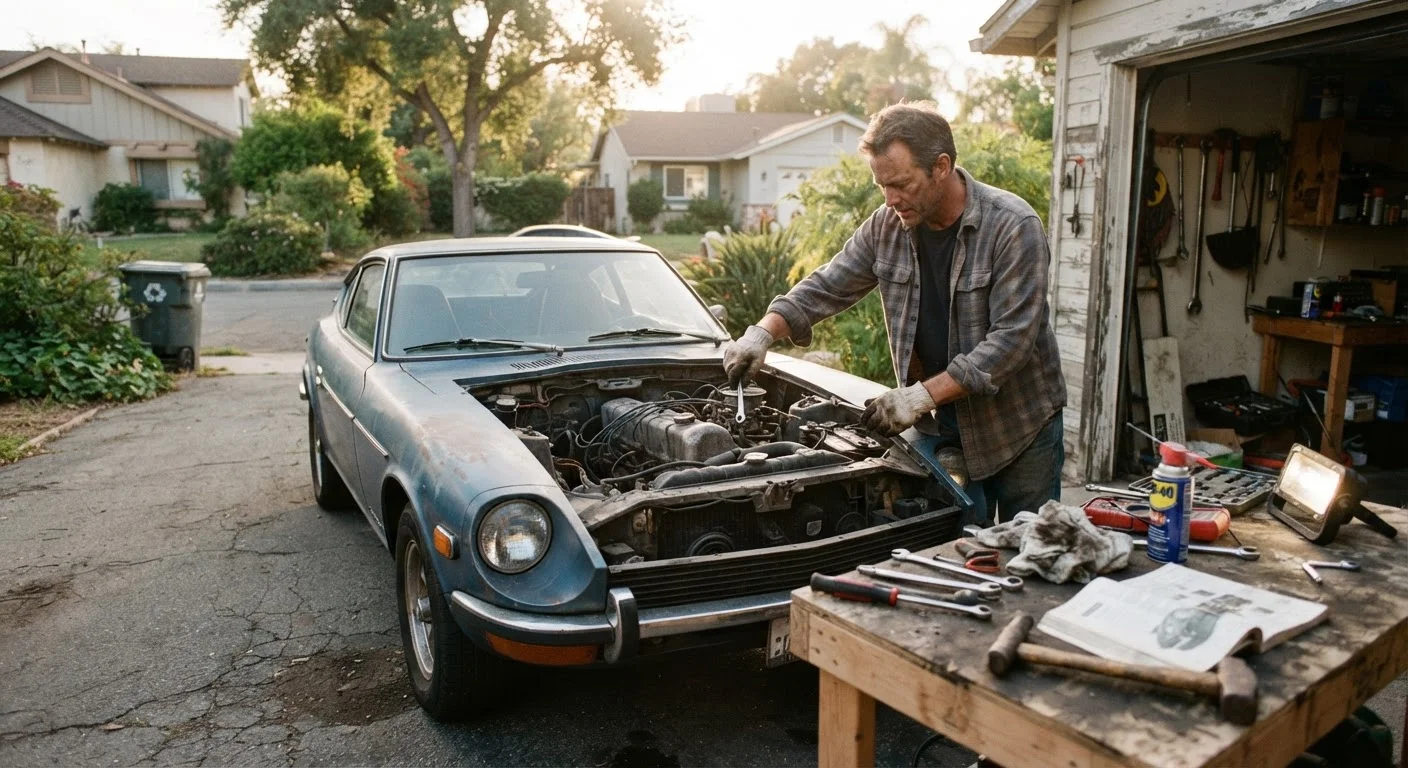
Photo: ArticleHood.com | Precision In Every Word editorial
Key Takeaways
- Skipping routine maintenance doesn't save money - it shifts costs to larger, more expensive repairs later.
- Ignored warning lights and deferred oil changes are among the most financially damaging habits for car owners.
- Staying on a consistent service schedule is the single most reliable way to control long-term vehicle costs.
- Many drivers underestimate how quickly small neglected issues escalate into major mechanical failures.
The Real Price of Putting Maintenance Off
It's easy to rationalize skipping a scheduled oil change or pushing a tire rotation a few more months down the road. Money is tight, the car seems fine, and a warning light has been on for weeks without anything obviously going wrong. But deferred maintenance has a compounding quality that makes it one of the most reliable ways to turn a small expense into a very large one.
The car maintenance fundamentals that protect an engine, transmission, and brake system aren't arbitrary - they reflect how vehicle components actually wear. When those intervals are ignored, components don't just wear a little faster. They often fail in ways that damage adjacent parts, turning a single service visit into a multi-repair bill. Understanding where neglect tends to cause the most financial damage is the first step toward avoiding it.
Skipping oil changes past the recommended interval.
Ignoring dashboard warning lights for weeks or months.
Letting coolant flushes and fluid changes slide indefinitely.
Delaying brake pad replacement until grinding is audible.
Neglecting tire rotations and pressure checks.
Where Skipped Maintenance Compounds Fastest
Some maintenance items are more forgiving than others. A delayed cabin air filter swap rarely cascades into a breakdown. But several common deferrals have a track record of triggering expensive secondary failures - and those are the ones worth taking seriously.
$1,200+
Average cost of engine damage from oil neglect
Industry repair data suggests that oil sludge and low-oil damage can push engine repair costs well above $1,200, and sometimes into full replacement territory.
2-3x
Cost multiplier when brake rotors are damaged
Replacing brake pads alone typically costs far less than replacing pads and rotors together - a common outcome when worn pads are left too long.
Cooling system neglect, for instance, can lead to overheating that warps cylinder heads - a repair that can run into the thousands. Worn brake pads that go unaddressed eat into rotors, turning a straightforward pad replacement into a full rotor resurfacing or replacement job. The pattern of small problems growing into expensive ones is consistent enough that most experienced mechanics can predict the repair bill just from knowing which services were skipped.
Drivers who want to keep costs manageable over time benefit from understanding not just what to maintain, but why each item matters to the systems around it. For a broader look at recurring costs that catch owners off guard, see things that quietly drive up the cost of running a car.
Don't Wait for a Symptom to Appear
If you're weighing where to get routine work done, the pros and cons of skipping the dealer for routine servicing offers a grounded comparison of your options. And for vehicles already accumulating miles, keeping a high-mileage car running after 100,000 miles outlines where attention matters most. Taking a consistent approach to scheduling is covered in depth in keeping vehicle running costs under control over the long haul.
The content on this site is for informational purposes only and is not a substitute for professional advice. Always consult a qualified professional for guidance specific to your situation.