
Keeping a High-Mileage Car Running: What Actually Matters After 100,000 Miles

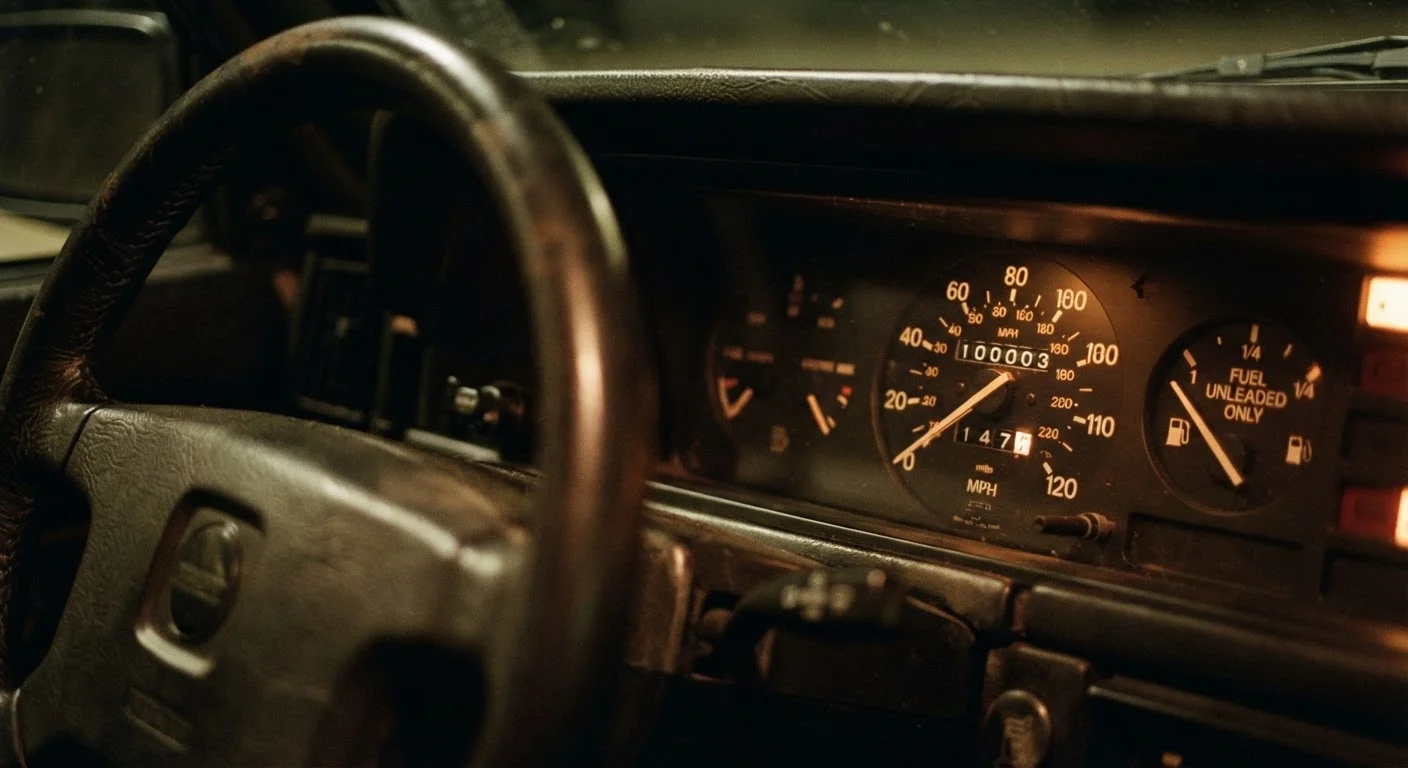
Photo: ArticleHood.com | Precision In Every Word editorial
Key Takeaways
- Rubber components like belts, hoses, and seals degrade with age and mileage, making inspection critical after 100k miles.
- Cooling system maintenance becomes more consequential at high mileage, as overheating risks increase with wear.
- Staying consistent with fluid changes matters more than ever once a vehicle accumulates serious miles.
- Catching small problems early is the single most cost-effective strategy for high-mileage vehicle ownership.
- Many high-mileage cars remain reliable for years with targeted, informed maintenance - neglect is the real threat.
The 100,000-Mile Mindset Shift
For a long time, six figures on an odometer felt like the beginning of the end. That's changed. Modern vehicles, when maintained properly, routinely last 200,000 miles or more. But crossing 100,000 miles does mean something: the nature of what your car needs starts to shift.
Wear-related parts that were largely fine in the early years now deserve closer attention. Fluids that were easy to overlook become harder to ignore. And the cost of skipping a service interval - already real at any mileage - starts compounding faster. If you're new to thinking about vehicle maintenance systematically, this guide for first-time owners is a useful starting point.
The good news: none of this requires mechanical expertise. It requires knowing what to watch and when to act. Here's what actually matters once your car clears 100,000 miles.
Inspect Every Rubber Component
Rubber doesn't age gracefully. Belts, hoses, gaskets, and seals harden and crack over time - and many of them operate under heat and pressure. At high mileage, a snapped serpentine belt or a coolant hose that blows can strand you or, worse, cause engine damage within minutes.
Your timing belt (if your engine has one - many newer vehicles use a timing chain instead) typically has a manufacturer-specified replacement interval, often in the 60,000-100,000 mile range. If yours hasn't been replaced and you're not sure, it's worth finding out before it fails. Ask your mechanic to also inspect accessory belts and all visible hoses for cracking, softening, or swelling at the ends.
A snapped belt can strand you or cause engine damage within minutes.
Don't Overlook the Cooling System
The cooling system works hard at every mile, and at high mileage it's earned some attention. Coolant (also called antifreeze) doesn't last forever - it becomes acidic over time and can corrode the metal and rubber components it's supposed to protect. Most manufacturers recommend a coolant flush somewhere between 60,000 and 100,000 miles, though your owner's manual will give you the specific interval for your vehicle.
Beyond the fluid itself, check that the radiator cap seals properly, that the thermostat opens at the correct temperature, and that there are no slow leaks around hose connections. Overheating is one of the most destructive things that can happen to an engine, and it becomes more likely when cooling system components age.
Coolant becomes acidic over time and can corrode the very components it's meant to protect.
Step Up Your Fluid Attention
Engine oil gets the most attention, but high-mileage vehicles benefit from a broader review of all fluids. Transmission fluid, brake fluid, power steering fluid, and differential fluid (on applicable vehicles) all degrade with heat and use. Many of these are rarely changed by the average owner and may never have been changed at all if you bought the car used.
Brake fluid is particularly easy to overlook - it's hygroscopic, meaning it absorbs moisture from the air over time, which lowers its boiling point and can affect braking performance. A mechanic can test moisture content with an inexpensive tool. Transmission fluid that's dark brown or smells burnt is overdue for attention. When in doubt, check your owner's manual for each fluid's service interval.
Brake fluid absorbs moisture over time, quietly reducing its ability to perform under hard braking.
Watch for Early Suspension and Steering Wear
Shocks, struts, ball joints, tie rod ends, and bushings all wear with mileage. You may notice symptoms like a rougher ride, the car pulling to one side, uneven tire wear, or a clunking noise over bumps. These aren't just comfort issues - worn suspension and steering components affect vehicle handling and stopping distances.
Have a mechanic inspect these components if you notice any of the above symptoms, or include a suspension inspection in your next routine service. Worn shocks and struts, for example, can increase stopping distances noticeably. Catching these parts before they fail completely is both safer and less expensive than waiting for a more significant problem.
Worn shocks and struts can meaningfully increase your vehicle's stopping distance.
Keep Tires and Brakes in Front of Mind
Neither of these is unique to high-mileage vehicles, but both matter more when a car's other systems are aging. Tires should be rotated roughly every 5,000-7,500 miles (check your manual) and replaced when tread depth reaches 2/32 of an inch - a standard test is inserting a penny into the tread groove; if Lincoln's head is fully visible, it's time. Check tire pressure monthly, as underinflation increases wear and reduces fuel efficiency.
Brake pads typically need replacement every 25,000-70,000 miles depending on driving habits and pad type. Brake rotors can warp or develop rust grooves on high-mileage vehicles and may need resurfacing or replacement alongside pads. If you hear squealing or grinding, or if the pedal feels soft or pulses under braking, have the system inspected promptly.
If Lincoln's full head is visible in the tread groove, your tires are due for replacement.
Address Small Leaks Before They Become Big Ones
High-mileage vehicles often develop minor seepage from gaskets and seals - the valve cover gasket, rear main seal, and oil pan gasket are common spots. A small leak that leaves a few drops on your driveway may seem minor, but it can accelerate if left unaddressed, and running an engine low on oil causes serious damage fast.
Get in the habit of checking your oil level between changes - especially if you know a leak exists. Also, look at the ground where you park regularly. Oil stains are dark and tend to concentrate toward the front-center of the vehicle; coolant stains may appear greenish or have a sweet smell. Reporting these findings to a mechanic with specifics (where the drip is, how fast it's growing) helps them assess urgency accurately.
Running an engine even briefly while low on oil can cause damage that far exceeds the repair cost of a small leak.
The Bigger Picture: Consistency Beats Heroics
None of the items on this list are complicated, and most don't require you to do the work yourself - just to stay informed and schedule it proactively. The pattern that kills high-mileage cars isn't dramatic failure; it's deferred maintenance that stacks up quietly. Skipping routine maintenance consistently leads to compounding repair costs that far exceed what the services themselves would have cost.
Start a Simple Maintenance Log
The most powerful tool for high-mileage ownership is a simple log - either a notebook in the glovebox or a free app - tracking every service, fluid change, and repair with the date and mileage. This makes it easier to spot gaps, explain history to a mechanic, and stay ahead of intervals. For a broader look at managing the financial side of vehicle ownership, keeping running costs under control over the long haul covers practical approaches worth reading alongside this article.
This article is for general informational purposes. For diagnosis of specific vehicle problems or repair guidance, consult a qualified mechanic familiar with your vehicle's make, model, and service history.
The content on this site is for informational purposes only and is not a substitute for professional advice. Always consult a qualified professional for guidance specific to your situation.