
Keeping Vehicle Running Costs Under Control Over the Long Haul

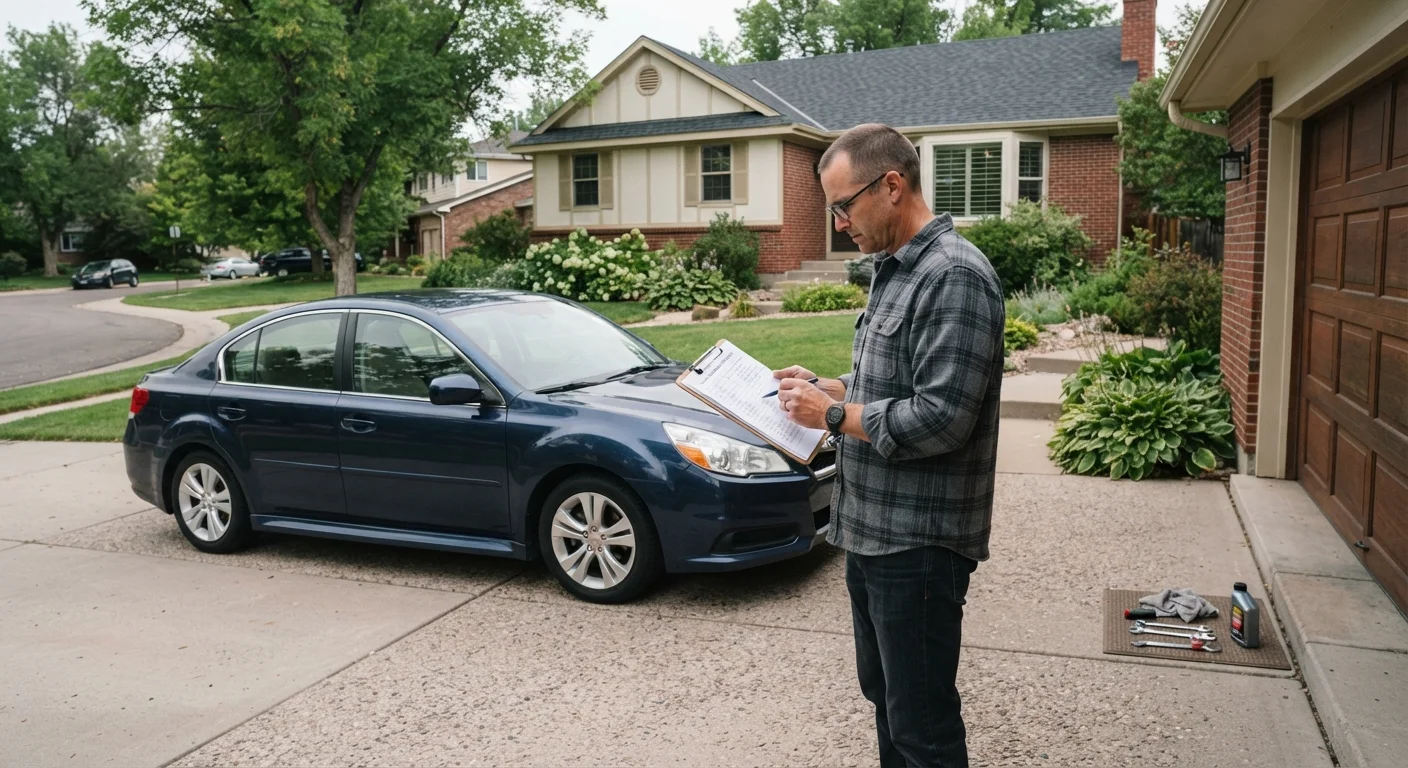
Photo: ArticleHood.com | Precision In Every Word editorial
Key Takeaways
- Following your vehicle's manufacturer maintenance schedule prevents small issues from becoming expensive repairs.
- Tracking all vehicle expenses in one place reveals cost patterns and helps you budget more accurately.
- Driving habits like smooth braking and steady speeds directly reduce wear on tires, brakes, and fuel consumption.
- Setting aside a monthly vehicle fund turns unpredictable repair bills into a manageable, expected cost.
- Addressing minor warning signs early consistently costs less than waiting for a full component failure.
Why Running Costs Tend to Creep Up
Most drivers focus on the sticker price when buying a car, but the ongoing costs of ownership - fuel, insurance, tires, oil changes, and unplanned repairs - frequently add up to more than the purchase itself over time. The problem isn't any single expense; it's the slow accumulation of deferred decisions and overlooked maintenance that gradually inflates what you spend each year.
Understanding the full financial picture from the start is the first step toward managing it. For a broader look at how costs stack up across the entire ownership cycle, see our guide to the complete financial picture of vehicle ownership.
Follow your manufacturer's maintenance schedule - not just when something feels wrong.
Track every vehicle expense, no matter how small, in a single log.
Drive smoothly - accelerate gradually, brake early, and maintain steady highway speeds.
Set aside a dedicated monthly vehicle fund to absorb irregular repair costs.
Address warning lights and unusual sounds promptly rather than waiting.
Evaluate where you get routine service and understand what you're paying for.
Core Practices That Keep Costs in Check
The habits below aren't complicated, but they require consistency. The drivers who spend the least over the long haul tend to be the ones who treat vehicle upkeep as a routine - not a reaction.
~$12,000
Average annual cost to own and operate a vehicle
According to AAA's annual Your Driving Costs study, the average American driver spends roughly this amount per year when accounting for fuel, maintenance, tires, insurance, and depreciation.
Up to 40%
Fuel economy loss from aggressive driving
The U.S. Department of Energy estimates that aggressive driving behaviors such as rapid acceleration and hard braking can reduce fuel economy by as much as 40% in stop-and-go traffic.
2-3x
Cost multiplier when minor repairs become major ones
Automotive service data consistently shows that deferred maintenance on components like belts, brakes, and cooling systems can result in repair costs several times higher than early intervention.
For a deeper look at what happens when small issues go unaddressed, our article on why ignoring small car problems creates expensive ones explains how deferred maintenance compounds into much bigger failures.
Quick Actions You Can Take Today
You don't need to overhaul your entire approach at once. Even one or two changes made consistently now can meaningfully reduce what you spend over the next few years.
If you're weighing whether to handle some maintenance tasks yourself, our breakdown of which maintenance tasks are worth DIYing can help you decide where your time and skills are best applied. And if your car is approaching or past the 100,000-mile mark, the considerations shift somewhat - see what actually matters after 100,000 miles for what to prioritize.
Depreciation Is Also a Running Cost
This article provides general information about vehicle cost management and is not a substitute for advice from a qualified mechanic or financial professional. Individual results will vary depending on vehicle type, driving conditions, and local service costs.
The content on this site is for informational purposes only and is not a substitute for professional advice. Always consult a qualified professional for guidance specific to your situation.