
Why Ignoring Small Car Problems Often Creates Expensive Ones

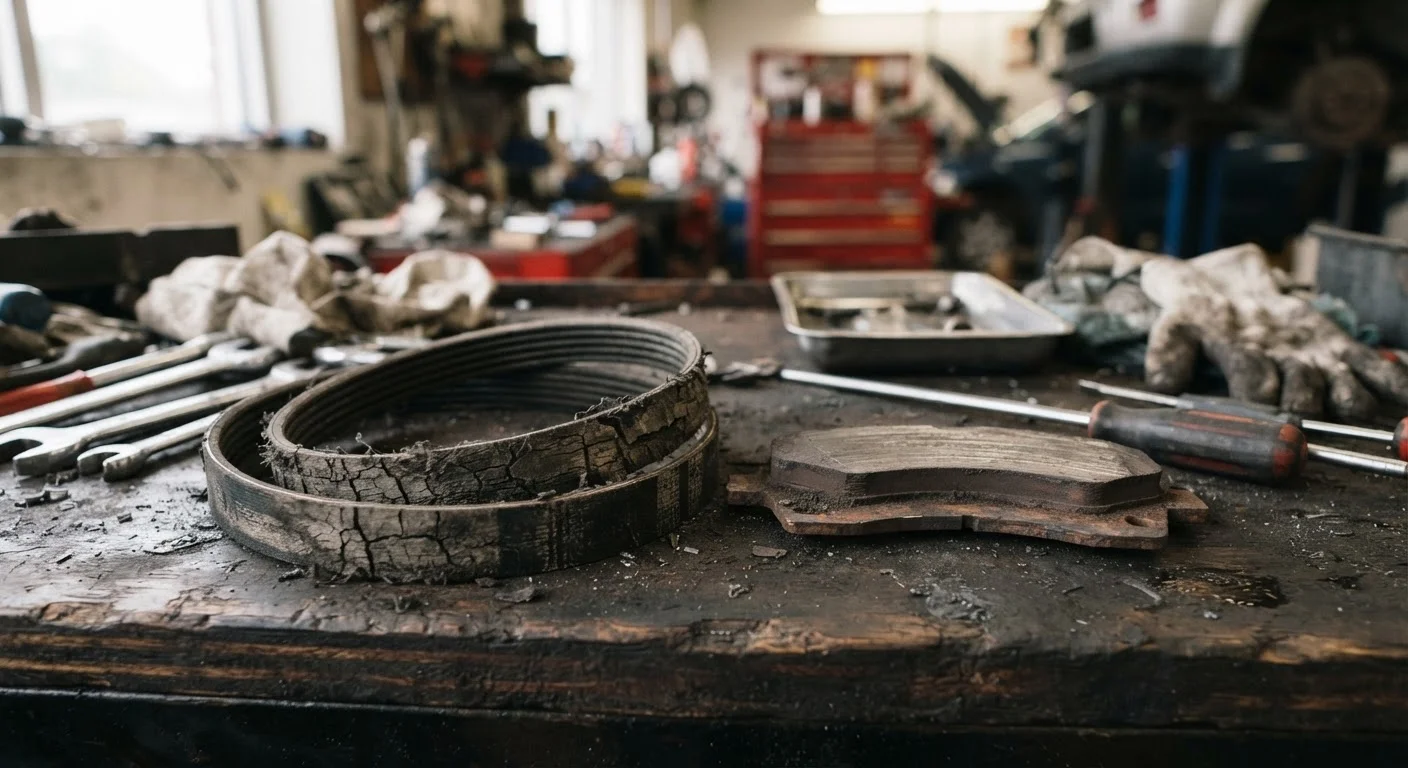
Photo: ArticleHood.com | Precision In Every Word editorial
Key Takeaways
- Minor car problems rarely stay minor - most worsen and pull surrounding components down with them.
- Drivers delay repairs most often because symptoms seem tolerable, not because they lack funds.
- Catching a worn brake pad early can cost a fraction of replacing a rotor damaged by the same neglect.
- A simple fluid leak can destroy an engine or transmission if left unaddressed long enough.
- Routine visual checks between service appointments give you early warning before costs escalate.
Why Small Problems Don't Stay Small
Cars are systems, not just collections of parts. When one component begins to fail, it rarely fails alone - it transfers stress, heat, or contamination to whatever sits next to it. A small coolant leak becomes an overheating engine. A worn pad becomes a scored rotor. A cracked serpentine belt leaves you stranded when the alternator and power steering go with it.
The hard truth is that deferred maintenance almost always costs more than timely maintenance would have. The repair bill is larger, the downtime is longer, and in some cases the vehicle's resale value is permanently affected. Understanding which early signs to act on - and why - is one of the most practical things a car owner can do. For a broader look at how neglect compounds financially, see why skipping routine maintenance costs more in the long run.
Ignoring a slow fluid leak because the puddle looks small.
Waiting until brakes grind before replacing worn pads.
Skipping oil changes beyond the recommended interval.
Dismissing a check engine light that isn't flashing.
Letting tire pressure drift without correcting it.
Building a Habit of Early Catches
The mechanics who see the worst repair bills often say the same thing: the owner knew something was off but hoped it would resolve itself. It almost never does.
Brake Problems Are Never Optional
Building a simple walk-around habit before long trips - checking for fresh fluid spots under the car, listening for new noises, and glancing at tire sidewalls - takes about two minutes and can surface problems while they're still cheap. Your dashboard warning lights are worth treating as information rather than annoyances; most modern vehicles store diagnostic codes that any shop can pull quickly.
If you're unsure which jobs you can handle yourself versus which require a professional's tools and training, this guide to DIY vs. professional maintenance lays out the dividing line clearly. For a wider look at how routine upkeep fits into your overall vehicle budget, keeping vehicle running costs under control over the long haul offers practical scheduling approaches. And because repair bills rank among the most common budget-busting surprises, it's worth reading how to plan ahead for unexpected car expenses before the next one hits.
~$1,200
Average brake job when rotors are also replaced
Industry service data consistently shows rotor-and-pad replacements cost several times more than pad-only service performed at the wear-indicator stage.
5-10%
Fuel economy lost to underinflated tires
The U.S. Department of Energy estimates fuel economy drops roughly 0.2% for every 1 PSI below the recommended level across all four tires.
The goal isn't to make every driver a mechanic. It's to help you recognize when something is off early enough that a professional can fix it affordably, before a small repair becomes a large one.
The content on this site is for informational purposes only and is not a substitute for professional advice. Always consult a qualified professional for guidance specific to your situation.