
The Car Maintenance Tasks Worth DIYing - and the Ones Better Left to a Professional

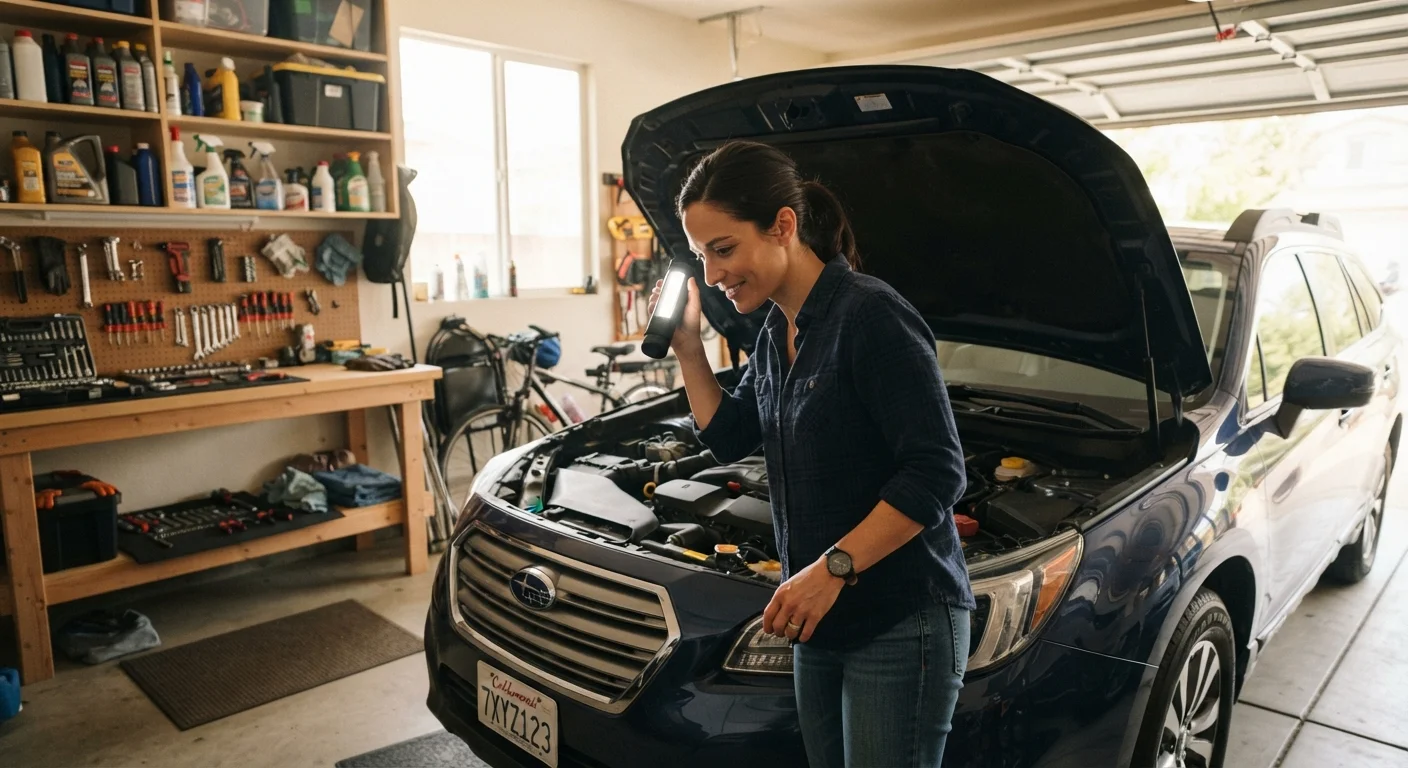
Photo: ArticleHood.com | Precision In Every Word editorial
Key Takeaways
- Several routine maintenance tasks are genuinely safe and practical for confident home mechanics.
- Some jobs carry real safety or mechanical risks that make a qualified mechanic the smarter choice.
- Knowing the difference protects your wallet, your car, and the people sharing the road with you.
- Your owner's manual is the most reliable guide to your specific vehicle's service needs.
Why the DIY vs. Professional Question Actually Matters
Car ownership comes with a steady stream of maintenance decisions. Some people hand everything off to a shop without a second thought; others try to do it all themselves. Neither extreme is necessarily right. The smarter move is understanding which tasks you can handle safely and which ones carry enough complexity or risk to warrant professional attention.
Getting this wrong in either direction has real consequences. Overpaying for services you could easily do yourself adds up over years of ownership. But attempting a job beyond your skill level - or without the right tools - can damage expensive components, void warranties, or create genuine safety hazards on the road. If you're new to vehicle ownership, understanding where the line sits is one of the most useful things you can learn early.
Maintenance Tasks That Are Reasonable to DIY
These jobs share a common set of characteristics: they require basic tools, the steps are straightforward, the consequences of a minor mistake are usually visible and correctable, and clear instructions are widely available - starting with your owner's manual.
Checking and Topping Off Fluids
Engine oil, coolant, brake fluid, power steering fluid, and windshield washer fluid can all be checked and topped off at home. This isn't a repair - it's an inspection habit that catches problems early. See our guide to checking fluids without a mechanic for a safe, step-by-step walkthrough.
Replacing Wiper Blades and Cabin Air Filters
Both are clip-and-swap jobs that typically require no tools. Most auto parts retailers stock the right sizes, and your owner's manual confirms the intervals. Cabin air filters are usually accessible behind the glove box in a few minutes.
Swapping Exterior Bulbs
Many headlight bulbs, turn signals, and taillights can be replaced without removing bodywork, though this varies by vehicle. Check your owner's manual first - some modern vehicles route to a dealer for sealed LED assemblies, but many standard halogen bulbs remain DIY-friendly.
Tire Pressure and Visual Inspections
Checking tire pressure monthly with a reliable gauge takes about two minutes per tire. Inspecting tread depth with a quarter or penny is equally straightforward. Neither requires tools beyond a basic gauge.
Engine Air Filter Replacement
On most conventional gasoline engines, the engine air filter sits in a plastic housing secured by clips or a few screws. Replacing it takes under 10 minutes and requires no mechanical background.
DIY Oil Changes (with Preparation)
An oil change is manageable for someone willing to gather the right materials and follow safe lifting procedures. It does require a floor jack, jack stands, a drain pan, and proper disposal of used oil. Our realistic look at DIY oil changes covers what that actually involves before you commit.
Start with Inspections, Not Repairs
Jobs That Belong in a Professional's Hands
The tasks below are either safety-critical, require specialized diagnostic equipment, involve components where errors aren't immediately obvious, or carry a real risk of injury if something goes wrong.
| Task | DIY-Friendly | Professional Recommended | |
|---|---|---|---|
| Fluid checks and top-offs | Yes - low risk, easy to verify | Unnecessary for routine checks | |
| Wiper blades / cabin air filter | Yes - clip-and-swap, no tools needed | Not required | |
| Engine air filter | Yes - simple access on most engines | Optional if uncomfortable | |
| Brake pads and rotors | Only for experienced home mechanics | Strongly recommended for most drivers | |
| Suspension/steering components | Not advisable without experience | Yes - alignment required after | |
| Timing belt/chain | Not recommended | Yes - precision and specialty tools required | |
| Hybrid/EV electrical systems | No - high-voltage safety hazard | Yes - trained technician only |
Brake System Work
Brake pads wear out on a predictable schedule and might seem like a DIY job - and for experienced home mechanics with the right tools, pad replacement can be done carefully. But brake calipers, rotors, brake lines, and the hydraulic system as a whole are safety-critical. A mistake that compromises braking performance may not become obvious until an emergency stop. Unless you have solid hands-on experience, this is one area where professional work is worth the cost.
Suspension and Steering Components
Ball joints, tie rods, wheel bearings, and struts affect how your vehicle handles and stays stable. Replacing them incorrectly - or failing to get a wheel alignment afterward - can cause unpredictable handling behavior. Alignment itself requires a calibrated machine that no home garage has.
Timing Belt or Chain Service
On engines where the timing belt drives the camshaft, incorrect installation can cause catastrophic engine damage in seconds. This job demands precision, engine-specific knowledge, and often specialty tools. It's not a beginner task by any reasonable measure.
Electrical and Hybrid/EV Systems
Modern vehicle electrical systems - and especially the high-voltage battery packs in hybrids and electric vehicles - require diagnostic software and safety training that go well beyond home repair. Probing the wrong circuit or disturbing a high-voltage connection without proper precautions is a serious physical hazard.
Ignoring problems in any of these categories tends to compound costs over time. Our article on how small car problems become expensive ones explains why deferred maintenance rarely stays cheap.
Never Work Under a Vehicle on a Jack Alone
Making the Call: Factors to Weigh Before You Start
Before attempting any maintenance task, ask a few honest questions:
- Do I have the right tools? Improvising with the wrong tool often damages components or creates a safety risk.
- Can I safely lift and support the vehicle? Working under a car supported only by a jack is extremely dangerous. Proper jack stands are non-negotiable.
- What happens if I get it wrong? If the answer involves braking, steering, or structural safety, the margin for error is too small to accept on a learning curve.
- Does my vehicle have quirks? Some modern vehicles have service requirements that differ significantly from older designs. Your owner's manual and manufacturer service documentation are the authoritative sources - not generic online guides.
For a broader view of keeping maintenance costs manageable without cutting corners, see our guide to keeping vehicle running costs under control. And if you're wondering whether a dealer or independent shop is the right call for your professional service needs, the pros and cons of skipping the dealer is worth a read.
The content on this site is for informational purposes only and is not a substitute for professional advice. Always consult a qualified professional for guidance specific to your situation.