
Small Room, Big Impact: Décor Adjustments That Change How Space Feels

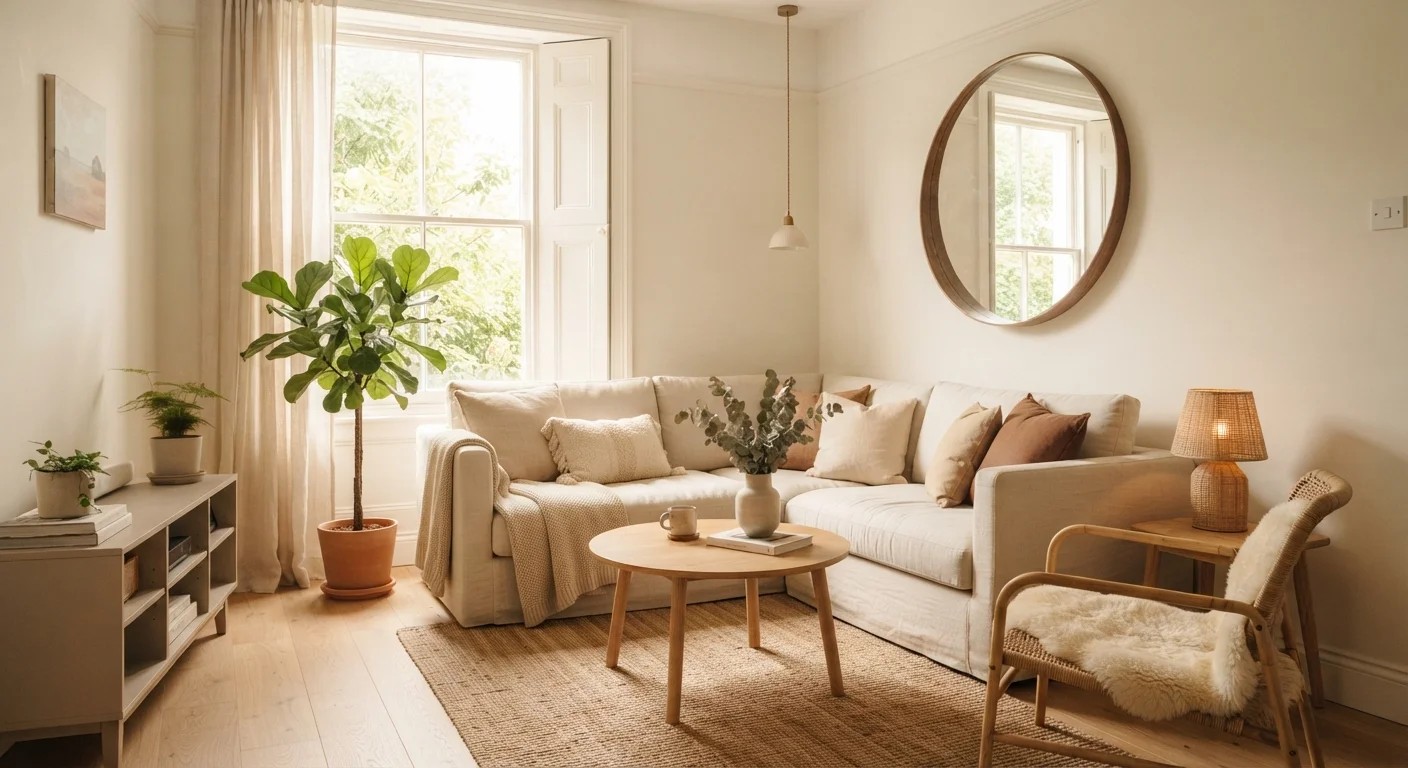
Photo: ArticleHood.com | Precision In Every Word editorial
Key Takeaways
- Strategic mirror placement amplifies light and creates a convincing sense of depth.
- Light, cohesive colour palettes make walls appear farther apart than they are.
- Furniture scaled to the room-and floated off walls-improves both flow and perceived space.
- Vertical lines and tall elements draw the eye upward, making ceilings feel higher.
- Layered lighting eliminates dark corners that make rooms feel cramped.
- Reducing visual clutter is the single fastest way to make a small space feel larger.
Why Small Rooms Feel Cramped (And What Actually Helps)
Compact rooms don't feel small primarily because of their square footage-they feel small because of how they're arranged and lit. Visual clutter, oversized furniture, poor lighting, and a lack of cohesion all compress the perceived space. The good news is that most of these factors are adjustable without structural changes or significant expense.
The adjustments in this guide work by manipulating how your eye and brain interpret the room: reflecting light, creating sightlines, emphasising height, and reducing the visual 'stops' that make a space feel busy. None of them require design expertise-just some measured thinking and a willingness to experiment.
Measuring tape
Accurately measure room dimensions and furniture footprints before rearranging.
Graph paper or room-planning app
Sketch furniture layouts to scale so you can test arrangements without physical effort.
Level
Ensure mirrors, shelves, and wall art are hung straight for a polished finish.
Wall anchors and appropriate hardware
Safely secure mirrors and shelving to walls, especially when studs aren't available.
Painter's tape
Mark out furniture positions on the floor before committing to a new layout.
Before diving into the steps, gather your tools and take a few measurements. Knowing your room's exact dimensions lets you plan on paper rather than by trial and error.
What you will need
Pulling It All Together
Each of the steps above addresses a different dimension of how space is perceived-floor plan, light, height, and visual noise. The most effective results come from combining several of them rather than relying on any single change. Floating furniture, adding a well-placed mirror, and layering lighting together produce a noticeably different room than any one adjustment alone.
Measure Before You Rearrange
Once the room feels right, consider whether the air quality matches the comfort of the space. Small upgrades with a noticeable impact on indoor air quality pairs naturally with a refreshed room layout-because how a space feels involves more than just what you see.
Use a Consistent Colour Family
The content on this site is for informational purposes only and is not a substitute for professional advice. Always consult a qualified professional for guidance specific to your situation.