
Small Upgrades with a Noticeable Impact on Indoor Air Quality

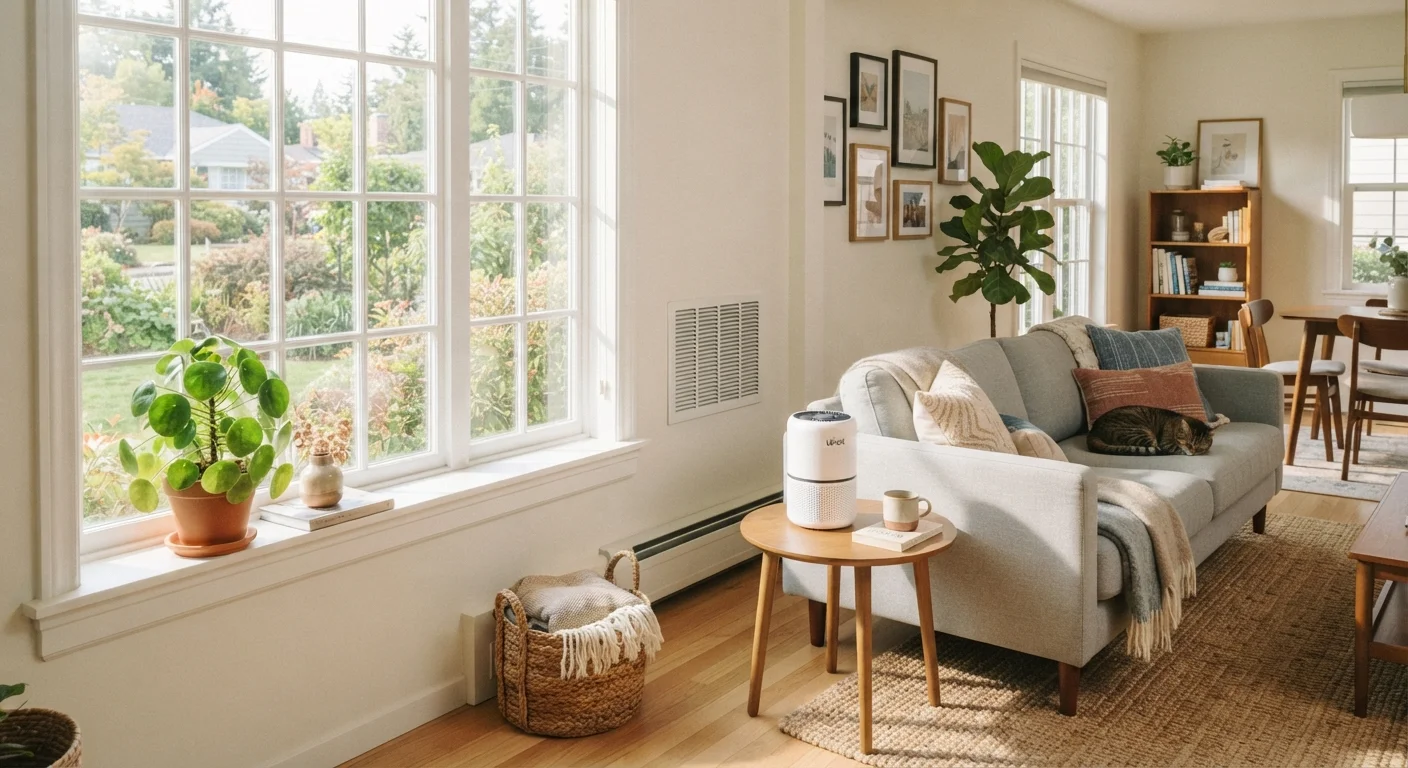
Photo: ArticleHood.com | Precision In Every Word editorial
Key Takeaways
- HVAC filter upgrades are one of the fastest, lowest-cost ways to reduce airborne particles indoors.
- Gaps in caulking and weatherstripping allow outdoor pollutants and humidity to enter undetected.
- Exhaust fans and cross-ventilation habits reduce moisture buildup, a key driver of mold growth.
- Houseplants offer modest air-quality benefits but should not replace mechanical ventilation.
- Switching to low-VOC household products reduces chemical off-gassing at the source.
Why Indoor Air Quality Deserves Attention
Most people think of air pollution as an outdoor problem - something that happens on busy highways or near industrial sites. But according to the U.S. Environmental Protection Agency, Americans spend roughly 90 percent of their time indoors, where concentrations of some pollutants can be two to five times higher than outside. Dust, volatile organic compounds (VOCs - chemicals released by paints, cleaning products, and furnishings), excess humidity, mold spores, and pet dander can all accumulate quietly in a sealed home.
The encouraging news is that improving indoor air quality doesn't require a major renovation. A handful of focused, low-cost changes can reduce the burden noticeably. The upgrades below are practical, non-disruptive, and appropriate for most US homes - whether you rent or own. For a broader schedule of preventive home tasks, see our season-by-season maintenance checklist.
Upgrade or Replace Your HVAC Filter Regularly
Your HVAC system's air filter is the first line of defense against airborne particles. Filters are rated using a MERV scale (Minimum Efficiency Reporting Value): a MERV 8 filter captures most dust, pollen, and mold spores, while a MERV 11-13 filter also captures finer particles like pet dander and some bacteria. Most residential systems can handle up to MERV 13 without straining airflow, but check your system's manual before going higher.
The key discipline is replacement frequency. A clogged filter doesn't just stop filtering - it restricts airflow, forcing your HVAC to work harder and potentially pushing debris back into your living space. Most filters should be replaced every 60-90 days; households with pets or allergy sufferers may need monthly changes.
A clogged filter stops filtering and forces debris back into your living space.
Seal Gaps in Caulking and Weatherstripping
Aged or cracked caulking around windows, door frames, and pipe penetrations is a common entry point for outdoor air - along with the pollen, humidity, and fine particulates it carries. Inspect caulked seams annually, pressing gently along the bead; if it's brittle, peeling, or shows gaps, it's time to reapply.
Weatherstripping on exterior doors serves a similar function. A door that lets light show underneath when closed is letting in far more than a draft. Foam, rubber, or vinyl weatherstrip replacements are widely available and straightforward to install without professional help. This is a small task with outsized impact on both air quality and energy efficiency.
A door that lets light show underneath when closed is letting in far more than a draft.
Run Exhaust Fans Consistently in Kitchens and Bathrooms
Moisture is one of the main drivers of indoor air quality problems. Cooking steam, shower humidity, and even breathing add water vapor to indoor air. Without adequate exhaust, this moisture condenses on walls, ceilings, and inside wall cavities - creating conditions where mold and mildew thrive.
Exhaust fans remove humid air directly outside (when properly ducted - check that yours doesn't terminate in an attic or crawlspace, which is a common installation error). Run bathroom fans during showers and for at least 15-20 minutes afterward. Kitchen range hoods should run during cooking and briefly after. If your fans are older and noticeably loud, quieter, more effective models are available - noise is often a reason people avoid using them.
Run bathroom fans for at least 15-20 minutes after showering to remove residual moisture effectively.
Introduce Targeted Ventilation Through Cross-Airflow
Mechanical ventilation isn't always necessary to move stale air out. On mild days with low outdoor pollen counts, opening windows on opposite sides of the home creates cross-ventilation - a natural airflow that cycles interior air without energy cost. This is particularly effective after painting, cleaning with chemical products, or cooking.
Positioning a box fan to push air out of one window while another is open draws fresh air through the space. Timing matters: early mornings typically have lower outdoor pollen and particulate levels in most US regions. Check your local air quality index (AQI) before ventilating if anyone in the household has respiratory sensitivities.
Cross-ventilation on low-pollen mornings is one of the most cost-free ways to refresh indoor air.
Switch to Low-VOC Paints and Cleaning Products
Volatile organic compounds are chemicals that evaporate at room temperature and enter the air you breathe. Common sources include conventional paints, varnishes, aerosol sprays, and many all-purpose cleaning products. Prolonged exposure to elevated VOC levels indoors has been associated with headaches, respiratory irritation, and other symptoms - though individual sensitivity varies.
Low-VOC and zero-VOC paint formulations are now standard offerings at most paint retailers. When cleaning, choosing concentrated, fragrance-free products - or diluting with water as directed - reduces the chemical load introduced into indoor air. This pairs naturally with a broader look at your household product choices; our article on going fragrance-free at home explores the nuances of that shift.
Low-VOC paints and fragrance-free cleaners reduce chemical off-gassing directly at the source.
Add a Portable Air Purifier to High-Use Rooms
A portable HEPA (High-Efficiency Particulate Air) purifier in frequently used rooms - particularly bedrooms or living areas - can meaningfully reduce concentrations of fine particles, allergens, and some biological contaminants. Look for units with a CADR (Clean Air Delivery Rate) appropriate to the room's square footage; most manufacturers publish sizing guidance.
Placement matters: the unit performs best away from walls and in areas with natural airflow. Run it consistently rather than intermittently for sustained effect. Note that purifiers filter particles but do not remove VOC gases effectively unless they also include an activated carbon filter - check specifications if chemical off-gassing is a concern.
Match a purifier's CADR rating to your room size - an undersized unit won't keep pace with air turnover.
Inspect and Clean HVAC Vents and Return Grilles
Supply and return vents accumulate dust, pet hair, and debris over time. When airflow passes through a clogged grille, it can re-suspend that material back into the room. Removing vent covers and vacuuming both the cover and the visible duct opening every few months is a quick task that most homeowners overlook.
This is also a good opportunity to check that furniture, rugs, or curtains aren't inadvertently blocking vents - a common problem in rearranged rooms that reduces airflow efficiency throughout the system. If you notice persistent odors or visible mold inside ducts beyond the grille, professional duct inspection is worth considering rather than attempting to clean deep ductwork yourself.
Blocked or dirty vents re-suspend debris into the room rather than filtering it out of circulation.
Building Better Air Habits Over Time
None of these upgrades requires specialist tools or significant expense, but their combined effect is real. The pattern that matters most is consistency: a cleaner filter that's never replaced eventually performs worse than a cheaper one changed on schedule. Caulking inspected once and then forgotten won't protect you five years later.
Track Changes One at a Time
If you're evaluating your household products alongside these changes, our article on the trade-offs of going fragrance-free at home offers a balanced look at what switching actually gains - and gives up. And for the broader picture of how cleaning habits affect your home environment, see why your home may never feel truly clean.
This article is for general informational purposes only. For concerns about health conditions related to indoor air quality - including respiratory symptoms or mold exposure - consult a qualified healthcare or environmental health professional.
The content on this site is for informational purposes only and is not a substitute for professional advice. Always consult a qualified professional for guidance specific to your situation.