
The Trade-offs of Going Fragrance-Free at Home

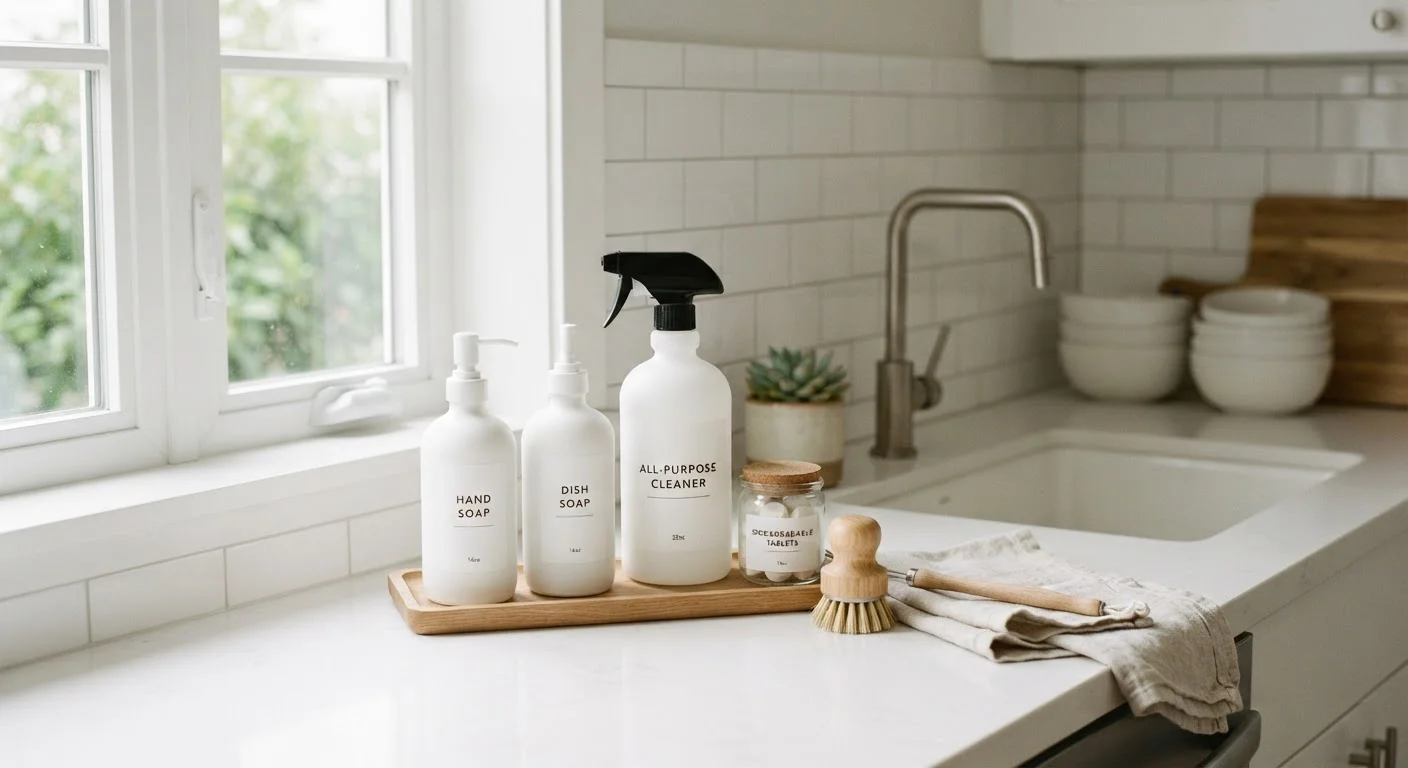
Photo: ArticleHood.com | Precision In Every Word editorial
Key Takeaways
- Fragrance-free and unscented are not the same thing - the labels mean different things.
- Switching can genuinely benefit people with sensitivities, asthma, or skin conditions.
- Some fragrance-free products use masking chemicals that still pose irritant risks.
- Performance, cost, and availability may change when you eliminate scented options.
- A partial switch - targeting high-contact products - is often a practical middle ground.
Reduces risk of fragrance-triggered skin reactions
Fragrance compounds are a leading cause of allergic contact dermatitis. Eliminating them from high-contact products can lower the likelihood of irritation for sensitive individuals.
May ease symptoms for asthma and allergy sufferers
Airborne fragrance molecules from sprays, candles, and scented cleaners can act as irritants for people with respiratory sensitivities, and reducing them may lessen symptom frequency.
Lowers cumulative synthetic chemical exposure at home
Scented products collectively contribute to indoor volatile organic compound (VOC) levels. Using fewer of them can modestly reduce your household's overall chemical load over time.
Better suited to households with infants or young children
Young children's skin and respiratory systems are still developing, making them more reactive to airborne and contact irritants - fragrance-free products reduce one variable.
Fragrance-free doesn't mean chemical-free or gentle
Products can be fragrance-free and still contain preservatives, surfactants, or other compounds that trigger reactions. The label removes one category of ingredient, not all potential irritants.
Smaller product selection and higher cost in many categories
Fragrance-free versions of common household products are less widely stocked and sometimes carry a price premium, which can add up across an entire household switch.
Loss of familiar cleanliness cues
Many people associate clean smells with actual cleanliness. Fragrance-free products can feel subjectively less effective even when they perform identically, which affects household satisfaction.
Masking agents in 'unscented' products create confusion
Products labeled unscented - rather than fragrance-free - may still contain chemicals to neutralize odor, meaning they are not free of fragrance-related compounds despite appearing similar.
What 'Fragrance-Free' Actually Means on a Label
Before weighing the trade-offs, it helps to understand what the term actually signals - because it's more specific than most people realize. A fragrance-free product contains no added fragrance ingredients, whether synthetic or naturally derived. An unscented product, by contrast, may still contain masking agents designed to neutralize the smell of other ingredients. Those masking compounds are themselves chemical additives.
Regulators in the US do not require manufacturers to disclose individual fragrance components, since fragrance formulas are considered trade secrets. This means a product labeled simply as containing "fragrance" could include dozens of individual compounds - some benign, others recognized skin or respiratory irritants.
Fragrance-Free vs. Unscented: A Key Distinction
For households evaluating indoor air quality more broadly, small product changes can be one piece of a larger picture. See our guide to improving indoor air quality for related fixes that complement a fragrance-free approach.
The Case for Going Fragrance-Free
For many households, reducing or eliminating added fragrance delivers tangible benefits - particularly for people with pre-existing sensitivities.
Reduces risk of fragrance-triggered skin reactions
Fragrance compounds are a leading cause of allergic contact dermatitis. Eliminating them from high-contact products can lower the likelihood of irritation for sensitive individuals.
May ease symptoms for asthma and allergy sufferers
Airborne fragrance molecules from sprays, candles, and scented cleaners can act as irritants for people with respiratory sensitivities, and reducing them may lessen symptom frequency.
Lowers cumulative synthetic chemical exposure at home
Scented products collectively contribute to indoor volatile organic compound (VOC) levels. Using fewer of them can modestly reduce your household's overall chemical load over time.
Better suited to households with infants or young children
Young children's skin and respiratory systems are still developing, making them more reactive to airborne and contact irritants - fragrance-free products reduce one variable.
Fragrance is one of the more common causes of contact dermatitis, and people with eczema or reactive skin often find that switching laundry detergents and body products reduces flare-ups noticeably. Similarly, those with asthma or rhinitis may find that airborne fragrance compounds - released from candles, sprays, or heavily scented cleaners - act as triggers. Removing those sources can reduce the frequency of symptoms, though results vary by individual and this is not a substitute for medical management.
There's also a chemical load argument: the fewer synthetic compounds circulating through your home's air, the lower the cumulative exposure over time. This is harder to quantify, but it's a reasonable general principle.
What You May Give Up
The switch isn't without downsides, and it's worth being honest about them.
Fragrance-free doesn't mean chemical-free or gentle
Products can be fragrance-free and still contain preservatives, surfactants, or other compounds that trigger reactions. The label removes one category of ingredient, not all potential irritants.
Smaller product selection and higher cost in many categories
Fragrance-free versions of common household products are less widely stocked and sometimes carry a price premium, which can add up across an entire household switch.
Loss of familiar cleanliness cues
Many people associate clean smells with actual cleanliness. Fragrance-free products can feel subjectively less effective even when they perform identically, which affects household satisfaction.
Masking agents in 'unscented' products create confusion
Products labeled unscented - rather than fragrance-free - may still contain chemicals to neutralize odor, meaning they are not free of fragrance-related compounds despite appearing similar.
Scent serves practical functions beyond aesthetics. Many people use smell as a cleanliness cue - a freshly washed item that smells neutral may feel less clean, even when it is. That psychological dimension is real and can affect household satisfaction. Fragrance-free products also carry a smaller selection in many stores, and they sometimes cost more. You may find fewer options in formats you prefer, such as concentrated pods or specific textures in personal care.
It's also worth noting: fragrance-free doesn't mean hypoallergenic or free from all irritants. Preservatives, surfactants, and other functional ingredients can still provoke reactions in sensitive individuals. Reading the full ingredient list matters more than the front-of-pack claim. For a useful comparison of how product formulations affect cleaning performance, our breakdown of natural versus chemical cleaners covers the trade-offs in practical terms.
~1 in 3
Adults reporting fragrance sensitivity
A population study published in Air Quality, Atmosphere & Health estimated that roughly one-third of adults report some adverse reaction to fragranced products.
Top 5
Fragrance among leading contact allergens
Fragrance mix consistently ranks among the top five causes of allergic contact dermatitis in patch-test studies conducted by dermatology clinics across North America and Europe.
A Practical Approach for Most Households
A full household switch to fragrance-free isn't always necessary or practical. A more targeted strategy often makes more sense: prioritize fragrance-free for products that have prolonged skin contact (laundry detergent, fabric softener, body wash, moisturizers) and for products used in enclosed spaces (bedroom sprays, bathroom cleaners). These categories account for the highest exposure by both contact time and airborne concentration.
Products used briefly and rinsed away - dish soap, for instance - carry lower exposure risk and may be lower priority unless a household member has a specific sensitivity. The goal is to reduce meaningful exposure, not to achieve a label-based standard for its own sake.
If you're reassessing what's actually in your cleaning cabinet, understanding how product ingredients interact is another worthwhile area of awareness for any household.
The content on this site is for informational purposes only and is not a substitute for professional advice. Always consult a qualified professional for guidance specific to your situation.