
Why Mixing Cleaning Products Is More Dangerous Than People Assume

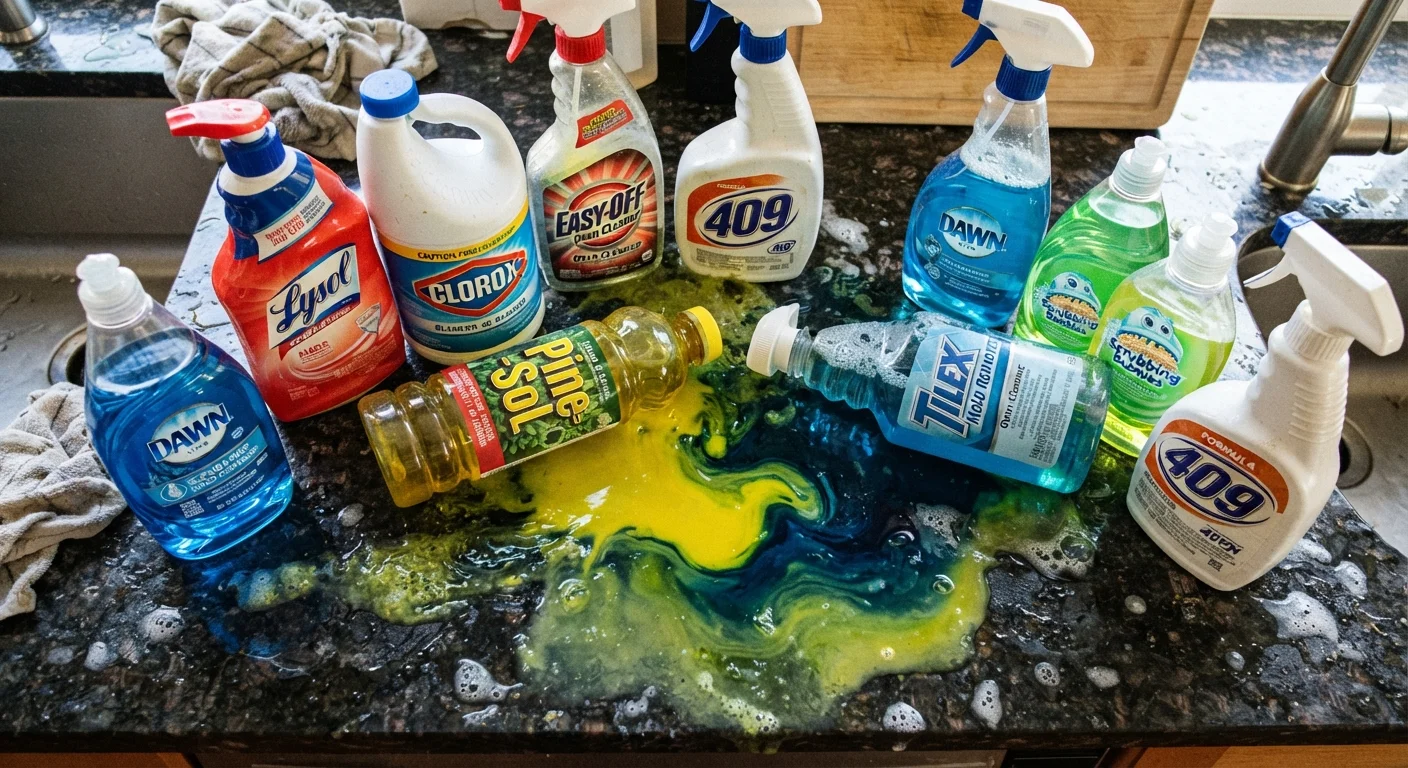
Photo: ArticleHood.com | Precision In Every Word editorial
Key Takeaways
- Bleach combined with ammonia produces chloramine gas, which irritates airways and can be life-threatening.
- Many 'natural' cleaners like vinegar can still create dangerous reactions when mixed with bleach.
- Ventilation and rinsing between products are two of the simplest, most effective safety habits.
- Symptoms of chemical exposure include coughing, burning eyes, and shortness of breath - leave the area immediately.
- Always read product labels; 'do not mix' warnings are safety instructions, not suggestions.
Why the Risk Is Routinely Underestimated
Most people think of household cleaners as mundane, low-stakes products. They sit under the sink, they smell strong, they cut through grease - and that's about as far as the mental model goes. But these products contain active chemical compounds that react with one another, sometimes violently, when combined. The danger isn't theoretical; poison control centers across the U.S. receive thousands of calls each year related to unintentional chemical mixing at home.
The core problem is a gap between familiarity and understanding. Cleaning products are so common that people assume they're inherently safe to combine - especially if both are marketed as "powerful" or "extra strength." In reality, effectiveness has nothing to do with compatibility. Two products can each work beautifully on their own and become a hazard the moment they're combined on the same surface or in the same bucket.
For a broader look at how cleaning product choices affect your home's surfaces and overall hygiene, see our guide to natural vs. chemical cleaners.
Myth
If two cleaners both say they disinfect, they're safe to use together for extra cleaning power.
Fact
Disinfecting ability and chemical compatibility are completely unrelated. Combining disinfectants can neutralize both products or generate toxic byproducts.
"More is more" is a reasonable instinct in many areas of life - but not chemistry. Two disinfectants may use entirely different active ingredients (chlorine-based vs. alcohol-based, for example) that react destructively with each other. In some cases, the combination actually reduces disinfecting effectiveness while also creating new, hazardous compounds. Using one properly-applied product is always safer and more effective than layering two incompatible ones.
Myth
Natural or plant-based cleaners are safe to mix with anything because they're gentle.
Fact
Plant-based and 'natural' cleaners contain active chemical compounds that can still react dangerously with common products like bleach.
Vinegar, for example, is a dilute acid - and acids react with bleach to release chlorine gas. Castile soap, a popular plant-based product, can react with acidic cleaners to break down and leave a residue that's difficult to remove. The word "natural" describes an ingredient's origin, not its chemical behavior. Every cleaning product, regardless of its marketing, contains compounds that follow the same rules of chemistry.
For more on where plant-based cleaners genuinely perform well - and where they fall short - see our natural vs. chemical cleaner comparison.
Myth
A small amount of mixed chemicals in a large space can't really cause harm.
Fact
Even small quantities of certain chemical combinations can produce enough gas to cause symptoms, especially in enclosed or poorly ventilated spaces.
Gas concentration depends on the volume of the space, not just the volume of product. A splash of bleach and a small amount of ammonia-containing cleaner in a closed bathroom can elevate gas levels to irritating or even harmful concentrations within minutes. The density of chloramine or chlorine gas at room temperature means it accumulates near breathing level. Small amounts, small spaces, and poor airflow are a concerning combination - not a reassuring one.
Myth
Once the smell goes away, the chemicals have dissipated and the area is safe.
Fact
Odor is not a reliable safety indicator. Some toxic gases have faint or unrecognizable smells, and residue can remain on surfaces after airborne gas has dispersed.
Chloramine gas has a sharp, irritating smell, but by the time it's detectable, exposure may have already occurred. Conversely, some reaction byproducts dissipate in smell before they're fully gone. If you've accidentally mixed products, ventilate the area thoroughly, wipe down surfaces with water, and continue to ventilate - don't rely on your nose alone to confirm the space is clear. Physical symptoms like eye irritation or a scratchy throat are more reliable warning signals than scent alone.
Myth
Using cleaning products on the same surface at different times is the same as using them separately.
Fact
Product residue can remain on surfaces long after application, and a second product applied later may still react with that residue.
Surfaces aren't chemically neutral after cleaning - residue from the first product may still be present when the second is applied. This is especially true for porous materials, grout, and textured surfaces where liquid lingers. Best practice is to rinse the surface with clean water and allow it to dry before applying a different product. This is particularly important when transitioning from a bleach-based disinfectant to any acid-containing cleaner or vice versa.
The Most Dangerous Combinations and Why They Happen
Understanding why certain combinations are dangerous helps turn a vague warning into a concrete habit. Here's what's actually happening in a few of the most common scenarios:
- Bleach + Ammonia: Many glass cleaners and multi-surface sprays contain ammonia. Sodium hypochlorite (bleach) reacts with ammonia compounds to form chloramine gases. Inhaling these causes respiratory irritation, chest pain, and in severe cases, pulmonary edema - fluid buildup in the lungs.
- Bleach + Acids (including vinegar): Vinegar is acetic acid. Mixing it with bleach releases chlorine gas. Even brief exposure at low concentrations causes eye and throat burning; higher concentrations are acutely toxic.
- Bleach + Rubbing Alcohol: This combination produces chloroform and other chlorinated compounds. Despite both being common disinfectants, combining them creates byproducts with known health hazards.
- Hydrogen Peroxide + Vinegar: Used separately on food-prep surfaces, these are generally considered safe. Combined, they form peracetic acid, which can irritate skin, eyes, and the respiratory tract.
Never Mix These Common Combinations
Poor ventilation dramatically amplifies all of these risks. A bathroom with the door closed, or a utility closet with no airflow, can concentrate gases quickly - even from small amounts of mixed product. Always open windows and doors when cleaning with strong agents, and never apply multiple products to the same surface without rinsing thoroughly and allowing it to dry first.
~34,000
Annual U.S. calls related to cleaning product exposures
The American Association of Poison Control Centers has reported tens of thousands of cleaning product exposure calls annually, with a significant portion involving unintentional chemical combinations.
~50%
Exposures occurring at home
Studies on household chemical incidents consistently show that the majority of unintentional cleaning-related exposures happen in residential settings, particularly kitchens and bathrooms.
Safer Habits That Reduce Risk Without Complicating Your Routine
The goal isn't to make cleaning complicated - it's to build a couple of automatic habits that eliminate the most common risks.
- Read labels before combining anything. If a product says "do not mix with bleach" or "use in well-ventilated areas," those instructions exist because the chemistry demands it.
- Rinse surfaces between products. If you've sprayed a disinfectant and want to apply a second cleaner, rinse the area with water and let it dry. This removes residue and interrupts any potential reaction.
- Store products separately and clearly labeled. Unlabeled bottles or poorly stored products increase the chance of accidental use. Keep products in their original containers.
- Treat symptoms seriously. If you experience burning eyes, coughing, or difficulty breathing while cleaning, leave the area immediately, get fresh air, and contact Poison Control (1-800-222-1222 in the U.S.) if symptoms persist.
Cleaning frequency and technique also matter for home longevity. Our article on cleaning frequency mistakes covers how over-applying harsh products can degrade surfaces over time - a related concern worth understanding alongside chemical safety.
If You Suspect Toxic Fume Exposure
This article is for general informational purposes only. If you or someone in your household has been exposed to toxic fumes or experiences serious symptoms, contact emergency services or Poison Control immediately. Do not substitute this content for professional medical or safety advice.
The content on this site is for informational purposes only and is not a substitute for professional advice. Always consult a qualified professional for guidance specific to your situation.