
Cleaning Frequency Mistakes That Shorten the Life of Your Home

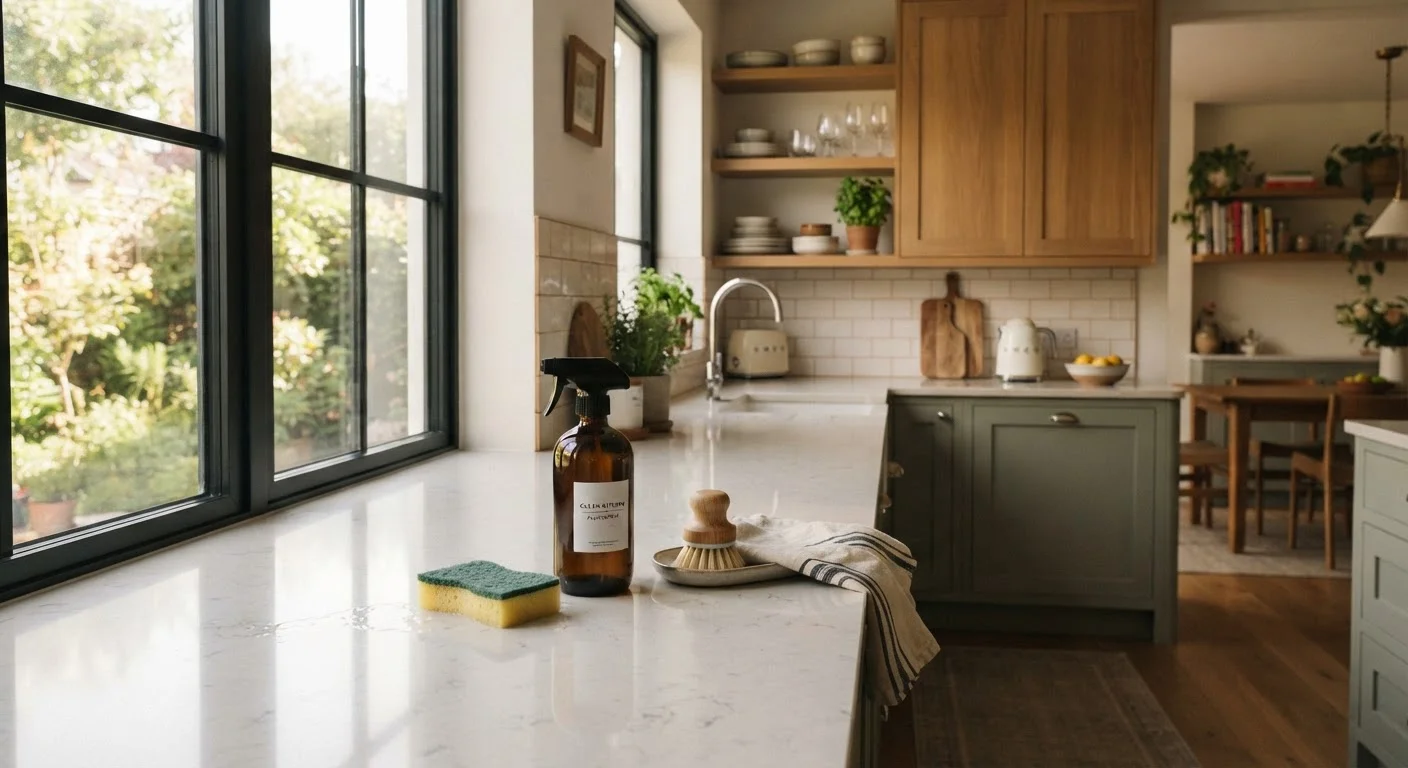
Photo: ArticleHood.com | Precision In Every Word editorial
Key Takeaways
- Cleaning too infrequently allows buildup that permanently damages surfaces and appliances.
- Over-cleaning with harsh products can degrade finishes, fabrics, and seals faster than normal wear.
- Inconsistent frequency - not just neglect - is one of the most common causes of premature home deterioration.
- Matching your cleaning schedule to each surface type protects your home's long-term condition.
- Small habitual adjustments to frequency and method can meaningfully extend the life of household materials.
Why Frequency Matters as Much as Method
Most household cleaning advice focuses on how to clean - which products to use, which tools to reach for. But how often you clean a surface, appliance, or fabric plays an equally important role in whether it holds up over time. Clean too rarely, and buildup becomes damage. Clean too aggressively and too often, and you accelerate wear on finishes and materials.
The result in both cases is the same: surfaces, systems, and furnishings that age faster than they should. For why your home may still feel grimy despite regular effort, frequency is often the overlooked variable.
Understanding the right interval for each task - and what happens when that interval is stretched or ignored - is one of the more practical investments a homeowner can make. The mistakes below are among the most common, and most correctable.
The Most Damaging Cleaning Frequency Mistakes
Each of the errors below follows a familiar pattern: a surface or system gets treated based on appearance rather than actual need, and the consequence builds quietly until repair or replacement becomes unavoidable.
Cleaning the refrigerator interior far less often than it needs.
Scrubbing grout too aggressively or too frequently with acidic cleaners.
Running a dishwasher without ever cleaning the filter or interior.
Over-washing upholstered furniture or using too much water on fabric.
Neglecting HVAC filters for months beyond the recommended interval.
Cleaning hardwood floors with excessive water or steam on a regular basis.
Harsh Products Can Do Lasting Damage
If you're working to build more consistent habits around these tasks, weekly cleaning routines that hold up over time offers a practical structural framework - without relying on checklists you'll abandon.
It's also worth noting that cleaning and disinfecting aren't the same thing. Knowing when each is appropriate helps you calibrate frequency correctly. See what disinfecting actually means and when you need it for a clear breakdown.
Appliances Need Maintenance Cleaning Too
1-3 months
Recommended HVAC filter replacement interval
The U.S. Department of Energy notes that a clogged air filter is one of the most common causes of reduced HVAC efficiency and increased system strain.
Up to 30%
Energy loss from a clogged HVAC filter
According to the U.S. Department of Energy, replacing a dirty, clogged filter can lower an air conditioner's energy consumption by 5-15%, with severely blocked filters causing greater losses.
Household appliances are often the most neglected category when it comes to cleaning frequency - partly because their interiors are hidden, and partly because appliances that perform a cleaning function feel self-maintaining. They are not.
Mixing Cleaning Products Carries Real Risk
Refrigerator door gaskets, dishwasher filters, and washing machine drum seals all accumulate residue that, if left too long, leads to mold, odor, and mechanical strain. Aligning your appliance maintenance to the manufacturer's recommended schedule - rather than waiting for visible signs - is the clearest path to extending useful life. For related guidance on kitchen storage habits that affect food safety, see common refrigerator storage mistakes explained.
For a broader look at how cleaning frequency fits into managing your home's daily systems, the complete guide to household essentials covers everything from schedules to product choices in one place.
The content on this site is for informational purposes only and is not a substitute for professional advice. Always consult a qualified professional for guidance specific to your situation.