
What 'Disinfect' Actually Means - and When You Need It vs. Just Cleaning

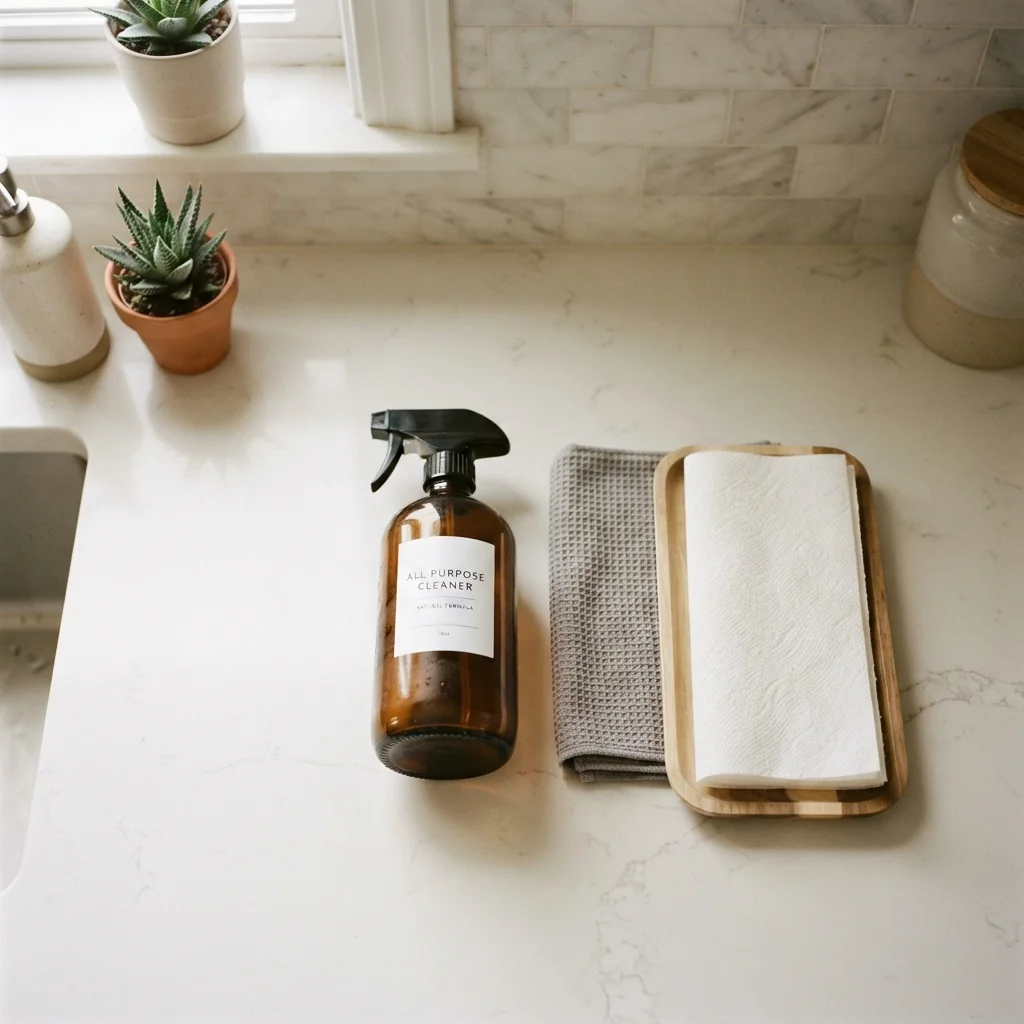
Photo: ArticleHood.com | Precision In Every Word editorial
Key Takeaways
- Cleaning removes visible dirt; disinfecting kills invisible pathogens - they are not interchangeable.
- Most everyday surfaces only need regular cleaning, not disinfecting.
- Disinfectants require adequate contact time (called 'dwell time') to work effectively.
- Cleaning before disinfecting improves the disinfectant's ability to reach and kill germs.
- Overusing disinfectants on low-risk surfaces is unnecessary and may degrade finishes over time.
Two Different Jobs, Two Different Processes
The words "clean" and "disinfect" are used interchangeably in everyday conversation, but they describe fundamentally different actions. Cleaning is a physical process: you use soap, water, and friction to remove dirt, grease, food particles, and some surface-level germs. Disinfecting is a chemical process: you apply an agent specifically formulated to kill or inactivate microorganisms that remain on a surface after cleaning.
Neither step makes the other redundant. In fact, cleaning first is essential - organic matter like grease or food residue can shield bacteria from disinfectants, reducing their effectiveness. Think of cleaning as clearing the path and disinfecting as finishing the job on surfaces where pathogen elimination actually matters.
For a deeper look at why surfaces can still feel or function as grimy even after regular effort, see what's really behind a home that won't feel clean.
Sanitizing vs. Disinfecting: A Useful Distinction
When Disinfecting Is Actually Necessary
Most surfaces in a well-maintained home don't need disinfecting every day - or even every week. Routine cleaning handles the vast majority of household hygiene needs. Disinfecting becomes appropriate in specific circumstances:
- During or after illness: When someone in the household has a contagious infection, high-touch surfaces like doorknobs, faucet handles, light switches, toilet handles, and shared electronics warrant disinfecting.
- After handling raw meat, poultry, or seafood: Countertops and cutting boards that contact raw protein need disinfecting to prevent the spread of bacteria like Salmonella. Cross-contamination in the kitchen is one of the most common - and preventable - food safety issues at home.
- After contact with bodily fluids: Any surface that has come into contact with blood, vomit, or similar substances should be disinfected.
- High-touch zones in shared bathrooms: Toilet seats, flush handles, and faucets in shared spaces benefit from periodic disinfecting even outside of illness episodes.
Always Clean Before You Disinfect
The Role of Dwell Time - and Why Most People Skip It
One of the most overlooked aspects of disinfecting is dwell time - the amount of time a disinfectant must stay wet on a surface to be effective. Many people spray and immediately wipe, which can leave the product too little time to do its job.
Dwell times vary by product and pathogen - some require as little as 30 seconds, others up to 10 minutes. The instructions on the product label will specify the required contact time. This isn't fine print to ignore; it's the difference between a surface that's been disinfected and one that's just been wiped with a chemical.
99.999%
Pathogen reduction required for EPA disinfectant registration
The U.S. Environmental Protection Agency sets this threshold for products to qualify as registered disinfectants under laboratory test conditions.
30 sec - 10 min
Typical dwell time range for household disinfectants
Contact time requirements vary widely by product formulation and target pathogen, underscoring the importance of reading product labels carefully.
To get accurate dwell times for specific products, the EPA maintains a publicly searchable list of registered disinfectants and their approved uses, sometimes called List N for products effective against specific pathogens.
Choosing the Right Approach for Each Surface
A practical home hygiene routine matches the method to the actual risk level of each surface - not a one-size-fits-all schedule. Consider these general guidelines:
- Low-contact surfaces (walls, baseboards, shelving): Dust and wipe clean periodically. Disinfecting is rarely warranted.
- Moderate-contact surfaces (countertops, tables): Clean regularly with an appropriate cleaner. Disinfect after food prep with raw proteins or after illness.
- High-touch surfaces (doorknobs, light switches, remote controls): Clean and disinfect more frequently, particularly during cold and flu season or when someone is sick.
- Food-contact surfaces (cutting boards, prep areas): Clean thoroughly after each use; disinfect or sanitize after contact with raw meat or poultry.
Calibrating your routine this way also helps protect surface finishes. Frequent disinfectant use on surfaces that don't need it can degrade sealants, dull finishes, or damage materials over time. See common cleaning frequency mistakes for more on how over-cleaning can backfire.
If you're evaluating which products to use where - whether plant-based or conventional - natural vs. chemical cleaners offers a practical breakdown of where each performs best.
Frequently Asked Questions
The content on this site is for informational purposes only and is not a substitute for professional advice. Always consult a qualified professional for guidance specific to your situation.