
The Hidden Reason Your Home Never Feels Truly Clean

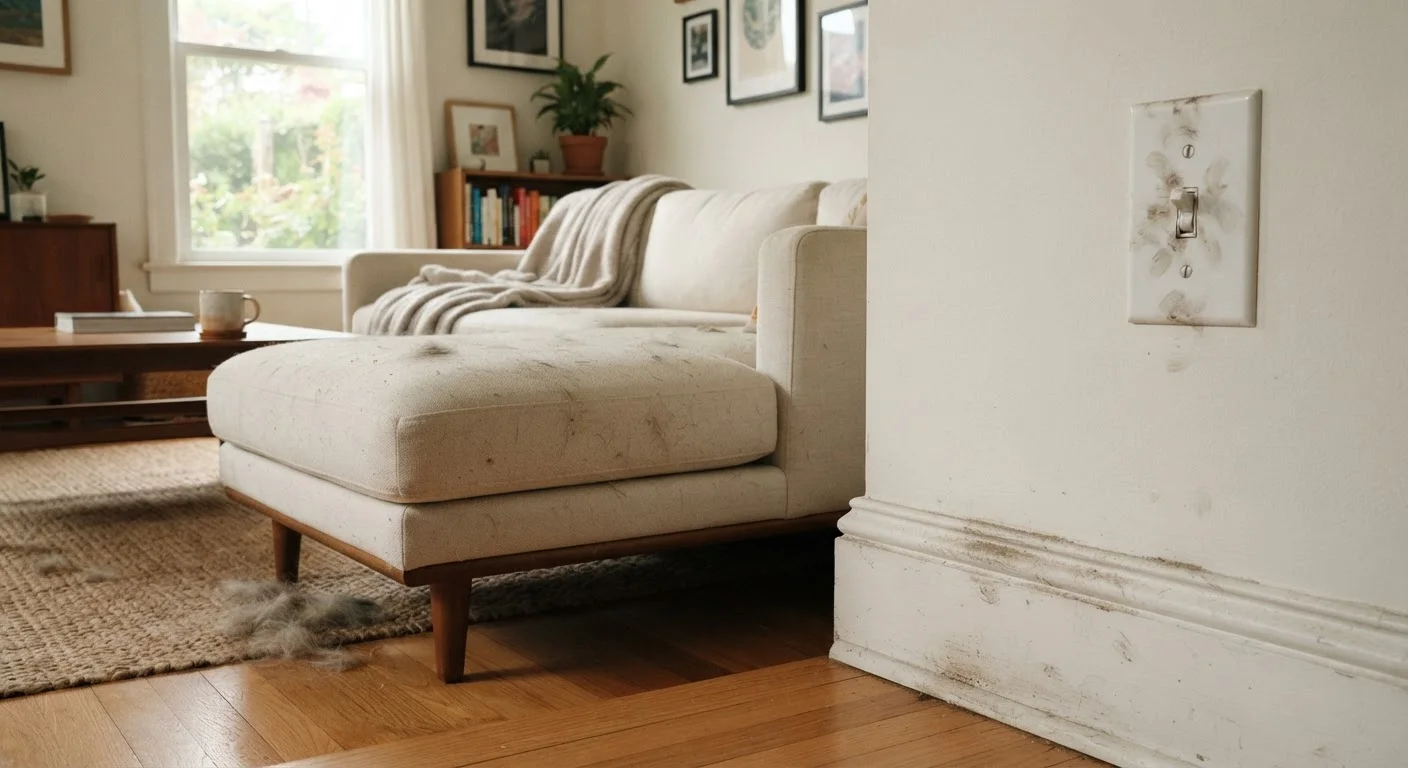
Photo: ArticleHood.com | Precision In Every Word editorial
Key Takeaways
- Visible tidiness and actual cleanliness are not the same thing.
- High-touch surfaces like light switches and remote controls are often cleaned far too rarely.
- Odors, allergens, and grimy residue accumulate in spots most cleaning routines skip entirely.
- Air quality inside the home is part of the cleanliness equation, not just surfaces.
- Adjusting your habits - not just your effort - is what makes a home feel genuinely fresh.
The Gap Between 'Looks Clean' and 'Is Clean'
Most people measure cleanliness by what they can see: clear countertops, a vacuumed floor, a spotless sink. But the feeling that a home is never quite fresh - even right after cleaning - usually points to something else. The real problem is a gap between surface appearance and actual hygiene.
Wiping down the kitchen counter removes crumbs and visible smears. It does not address the grimy residue building up on the cabinet pulls beside it, the light switch hit dozens of times a day, or the buildup inside the microwave vent. These are the spots that make a home feel perpetually unclean, even when it technically looks fine.
Understanding this distinction is the first step toward fixing it. See our guide on what cleaning vs. disinfecting actually means for a clearer breakdown of when each approach is appropriate.
~400
Times per day the average person touches their face
Research from the University of New South Wales found that people touch their face roughly 23 times per hour - meaning high-touch surfaces transfer residue to skin constantly throughout the day.
5×
More polluted than outdoor air, indoors can be
The U.S. Environmental Protection Agency has noted that indoor air can be two to five times more polluted than outdoor air, partly due to dust, mold, and chemical buildup from neglected filters and ventilation.
High-Touch Surfaces: The Forgotten Frontier
Light switches. Door handles. Remote controls. Cabinet knobs. These are among the most frequently touched surfaces in any home - and among the least often cleaned. In a household with multiple people, a single light switch might be touched 30 or more times per day, accumulating skin oils, food residue, and bacteria steadily over weeks.
Unlike a dirty floor - which is visible and prompts action - a grimy light switch doesn't announce itself. It just quietly contributes to the sense that something is off. Regular cleaning sessions that skip these surfaces create a compounding problem: the more rarely they're cleaned, the more buildup occurs, and the more the home's ambient feel suffers.
For a thorough accounting of what falls through the cracks in a typical routine, see which spots most people skip during a standard house clean.
Add High-Touch Zones to Your Weekly Wipe-Down
Odors, Air, and the Invisible Layer of Grime
A home's cleanliness isn't just tactile - it's also sensory in ways that surfaces alone don't explain. Persistent odors are often the clearest signal that something is being missed. Common culprits include the drip tray beneath a refrigerator, the rubber seal around its door, upholstered furniture that absorbs cooking smells and pet dander over time, and HVAC or range hood filters that haven't been swapped in months.
Indoor air quality plays a larger role than many homeowners realize. Dust, mold spores, and allergens circulate through the home continuously. When filters and vents are neglected, that particulate matter settles back onto surfaces shortly after cleaning - which can explain why rooms feel grimy again within days. Small upgrades to indoor air quality can make a tangible difference in how fresh a home feels day to day.
HVAC Filters Affect More Than Temperature
Habits, Not Just Effort, Are the Real Solution
The answer isn't to clean harder or longer - it's to clean differently. Most people clean reactively, addressing visible messes when they become impossible to ignore. A more effective approach is building a rhythm that rotates attention through the overlooked zones, so nothing accumulates long enough to affect the home's overall feel.
This doesn't require an elaborate checklist. It means adding a few high-touch surfaces to your regular wipe-down, checking filters and trays on a monthly basis, and occasionally moving appliances to address what's underneath them. These small adjustments compound meaningfully over time.
For a structural approach that holds up even when life is busy, explore cleaning routines that actually hold up over time. And if certain habits are quietly wearing down your home's surfaces and fixtures, cleaning frequency mistakes worth knowing can help you avoid common missteps.
Frequently Asked Questions
The content on this site is for informational purposes only and is not a substitute for professional advice. Always consult a qualified professional for guidance specific to your situation.