
Spots Most People Skip During a Standard House Clean

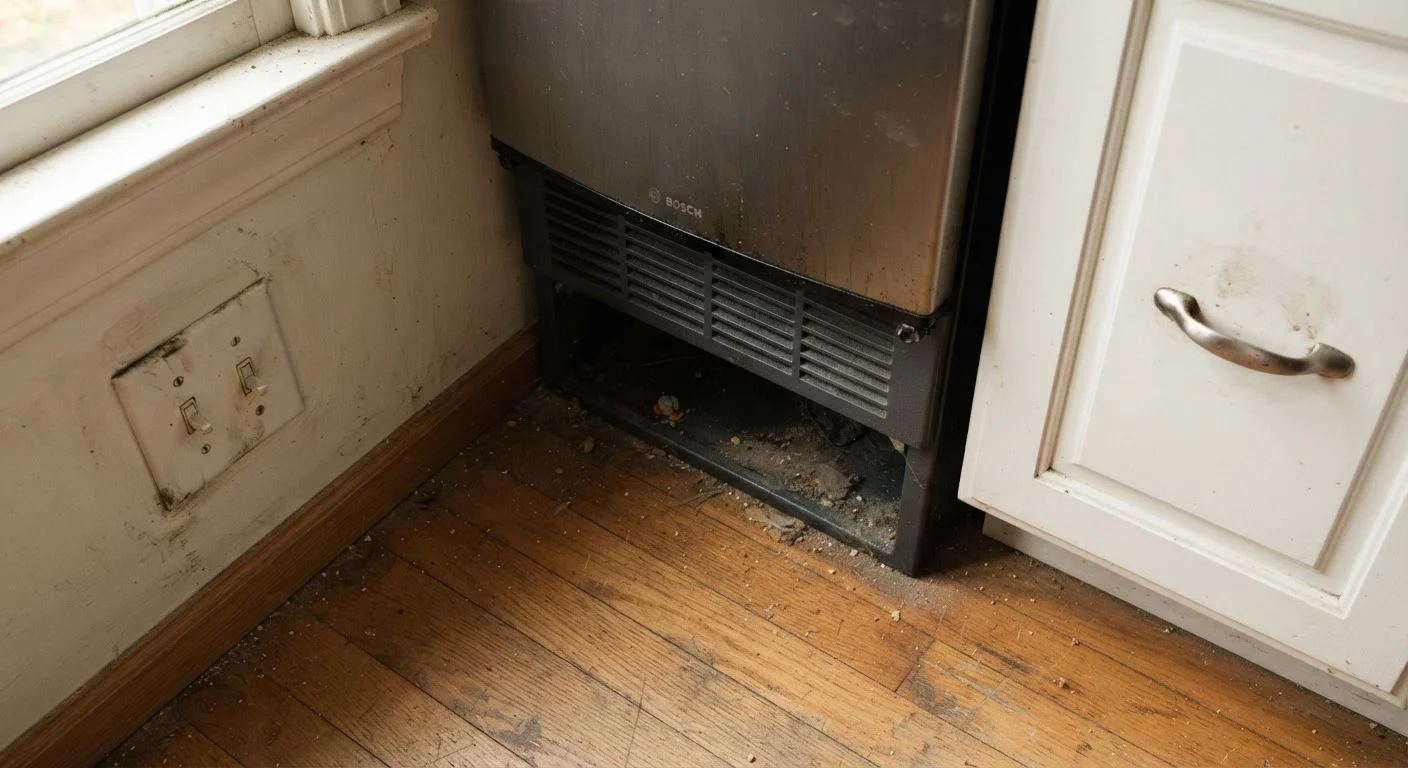
Photo: ArticleHood.com | Precision In Every Word editorial
Key Takeaways
- High-touch surfaces like light switches and door handles harbor far more bacteria than most people realize.
- The areas beneath and behind appliances collect grease, dust, and debris that standard cleaning routines miss entirely.
- Incorporating these overlooked spots into a monthly or seasonal routine can meaningfully improve overall home hygiene.
- Many forgotten zones are quick to address once you know where to look and what to use.
The Blind Spots in Your Cleaning Routine
A tidy home and a truly clean home are not always the same thing. Most standard cleaning sessions focus on visible surfaces - countertops, floors, sinks - and that makes sense. But it also means that an entire category of spots gets bypassed week after week, quietly accumulating grease, dust, bacteria, and grime. If your home never quite feels as clean as the effort you put in should suggest, these overlooked zones are often why. For a deeper look at the habits behind that feeling, see what's really keeping your home from feeling clean.
The good news is that most of these spots don't require special equipment or extra hours - just awareness. The list below covers the places most routines skip and offers practical guidance on how to work each one in.
Light switches and outlet covers
Light switches are touched dozens of times a day by every member of a household, yet they rarely make it onto a cleaning checklist. Over time, the plate and switch itself accumulate a film of oils, lotion residue, and general grime that's invisible at a glance but very real. Outlet covers collect similar buildup, especially in kitchens and bathrooms.
A slightly damp microfiber cloth or a disinfecting wipe works well here. Avoid saturating the area with liquid - just enough to lift the residue is sufficient. Make this a monthly task.
Light switches are touched dozens of times daily but almost never make it onto a cleaning list.
Door handles and knobs throughout the home
Interior door handles - not just the front door - are among the highest-touch surfaces in any home. Bedroom doors, bathroom doors, closet knobs, and cabinet pulls all carry significant contact frequency. Like light switches, they collect oils and can harbor bacteria, particularly in bathrooms and kitchens.
A disinfecting wipe or a damp cloth with a mild all-purpose cleaner handles these quickly. Pay attention to the underside of handles, where fingers tend to grip.
Interior door handles are among the highest-contact surfaces in any home - and among the most ignored.
The area beneath and behind large appliances
Dust bunnies, crumbs, grease, and even small objects accumulate under refrigerators, stoves, dishwashers, and washing machines. Beyond being unpleasant, built-up debris in these areas can affect appliance performance and contribute to odors. Grease beneath a stove, for instance, is also a fire risk if it migrates close to heating elements.
Pulling appliances out two to four times per year for a sweep and wipe-down is a reasonable target for most households. Use a vacuum with a crevice tool first, then follow with a damp mop or cloth.
Grease and debris beneath a stove isn't just unsanitary - in significant quantities, it can become a fire risk.
Tops of door frames, cabinets, and ceiling fan blades
Any horizontal surface above eye level tends to be invisible during routine cleaning - which means it accumulates dust, grease particles, and even mold spores undisturbed. Kitchen cabinet tops, the ledges above door frames, and ceiling fan blades are classic examples. Fan blades, in particular, can spread a large volume of accumulated dust through a room the moment the fan is turned on.
A microfiber duster on an extendable handle makes these surfaces accessible without a ladder. For greasy kitchen surfaces above cabinets, a damp cloth with a degreaser works better than dry dusting alone.
Ceiling fan blades can scatter months of accumulated dust through a room the instant the fan starts.
Baseboards and the junctions where walls meet floors
Baseboards attract dust, pet hair, and scuff marks steadily, but most cleaning passes right over them. The junction between baseboard and floor is especially prone to accumulation and is often missed even during mopping. In humid rooms like bathrooms, this area can also develop mildew if it stays damp.
A damp cloth, a magic eraser (for scuffs), or even a dryer sheet - which can repel future dust - all work effectively here. Wiping baseboards down monthly or quarterly keeps buildup manageable.
The line where baseboards meet the floor is one of the most consistently ignored dust traps in any room.
Refrigerator coils and drip pan
The condenser coils on most refrigerators - typically located at the bottom rear of the unit - collect dust over time, which can reduce efficiency and increase energy use. Many refrigerators also have a drip pan beneath them that can harbor standing water and, eventually, mold or odors that permeate nearby areas.
Coils can be vacuumed using a brush attachment once or twice per year. The drip pan, if accessible on your model, should be removed, emptied, and wiped clean. Check your refrigerator's manual for the specific location on your unit.
Dusty refrigerator coils can quietly reduce efficiency - a simple vacuum once or twice a year helps significantly.
Shower curtain liners and bathroom exhaust fans
Shower curtain liners develop soap scum, mildew, and mold along the lower edge and folds - often faster than people expect. Many fabric liners are machine washable; plastic liners can be scrubbed or replaced periodically. The upper rings and rod also collect moisture and grime worth wiping down.
Bathroom exhaust fans accumulate dust on the grille cover, which reduces their effectiveness at removing humidity - the very function that helps prevent mold. Removing the cover and vacuuming or washing it every few months keeps them working properly. Reduced ventilation connects directly to moisture buildup that can affect surfaces and indoor air quality.
A dusty bathroom exhaust fan can't do its job - and reduced ventilation accelerates moisture and mold problems.
Making These Spots Part of Your Routine
Tackling all of these at once isn't the goal. Instead, consider rotating them through your monthly or seasonal cleaning schedule so they're addressed consistently without adding overwhelming time to a single session. Cleaning routines that hold up over time tend to succeed because they're built around sustainability, not perfection.
Work Forgotten Spots Into a Rotation
If you're cleaning a home before moving in - or doing a thorough reset after years of standard maintenance - a room-by-room deep-clean checklist can help ensure none of these zones get missed. And if indoor air quality is a concern, cleaning behind appliances and clearing dusty return vents connects directly to improving the air inside your home.
The goal isn't to clean harder - it's to clean more completely. Knowing where grime actually hides is the first step toward getting there.
The content on this site is for informational purposes only and is not a substitute for professional advice. Always consult a qualified professional for guidance specific to your situation.