
Before You Move In: A Room-by-Room Deep-Clean Checklist

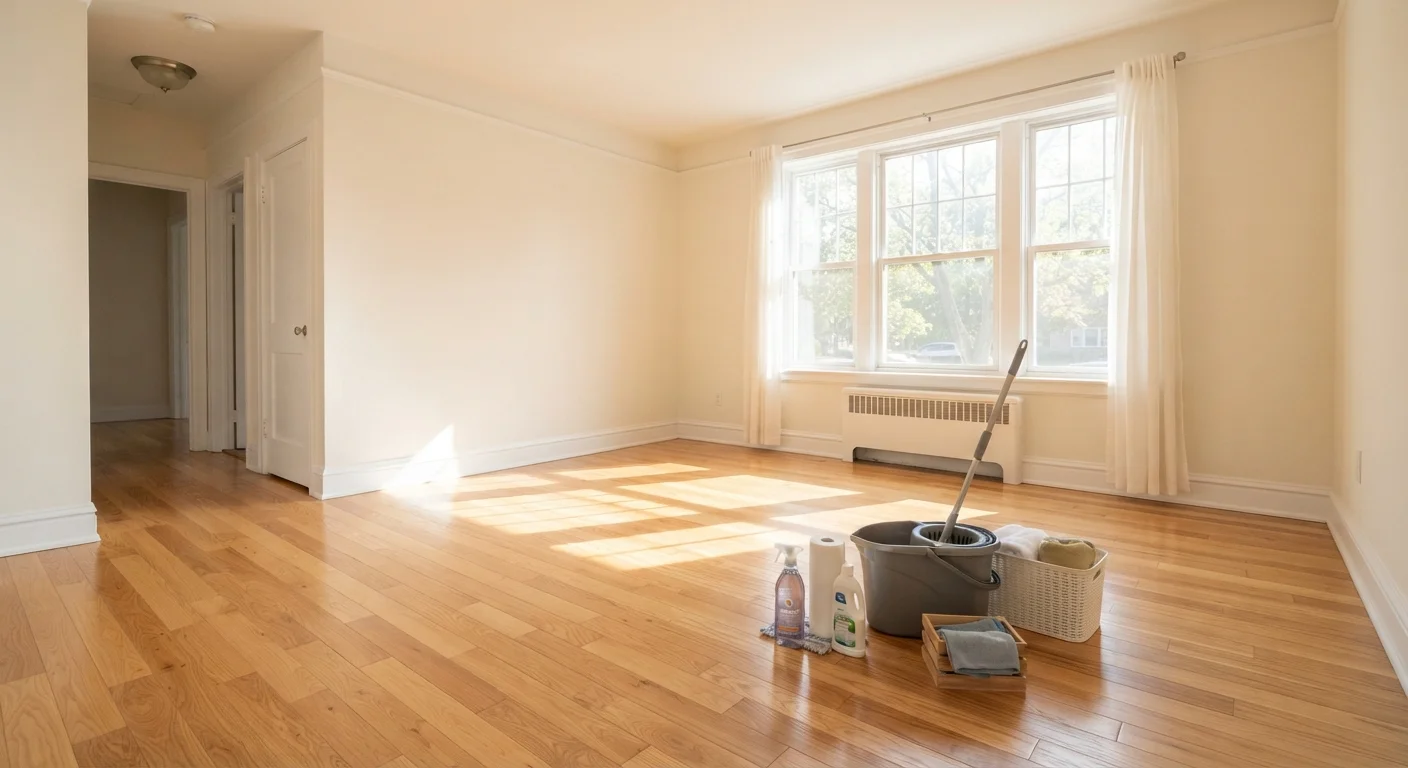
Photo: ArticleHood.com | Precision In Every Word editorial
Key Takeaways
- Cleaning before furniture arrives is far easier - always do it first if possible.
- Kitchens and bathrooms typically need the most attention due to grease, mold, and mineral buildup.
- Overlooked areas like vents, cabinet interiors, and light fixtures harbor dust and allergens.
- A move-in clean is your one opportunity to start fresh - don't skip hidden surfaces.
- Both renters and buyers benefit equally from a thorough pre-occupancy deep clean.
Why a Move-In Deep Clean Is Different
Moving into a new space - whether you're renting or buying - comes with invisible unknowns. Previous occupants had different cleaning habits, pets, cooking routines, and tolerance for grime. Even a freshly painted unit can hide dusty vents, grimy cabinet interiors, and mineral-crusted faucets beneath a coat of fresh paint.
A move-in deep clean differs from routine maintenance because you're starting from zero with no idea what accumulated before you arrived. You also have a rare advantage: the space is empty. Use it. Cleaning bare floors, empty cabinets, and appliance exteriors before boxes arrive saves hours of maneuvering later.
This checklist walks through every major room and surface type so nothing gets missed. For a broader look at what to prioritize once you've moved in, see our guide for new homeowners covering first projects and safety fundamentals. And if you're settling into a rental, personalizing your space without risking your deposit is entirely achievable once the clean is done.
Clean Before Furniture Arrives
What You'll Need
Gather your supplies before you begin. Working room to room without backtracking saves significant time and mental energy.
All-purpose cleaner
Used for wiping down countertops, cabinet interiors, appliances, and general surfaces throughout the home.
Disinfectant spray or wipes
Sanitizes high-touch surfaces such as door handles, light switches, toilet hardware, and faucet knobs.
Oven cleaner
Breaks down baked-on grease inside the oven - use with adequate ventilation and follow label directions carefully.
Grout brush or old toothbrush
Scrubs bathroom grout lines, caulk edges, and tight fixture gaps that a sponge can't reach.
Microfiber cloths
Effective for dust, glass, and surface wiping without leaving lint or scratching finishes.
Mop and bucket
Cleans hard floors in kitchen, bathrooms, hallways, and utility areas.
Vacuum with attachments
Removes dust from vents, baseboards, carpet edges, and hard-to-reach corners.
Rubber gloves
Protects hands when working with cleaning chemicals, especially in kitchens and bathrooms.
Room-by-Room Checklist
Work from the top of each room down - ceiling fans and vents first, counters and fixtures next, floors last. This prevents re-cleaning surfaces you've already addressed. Pay extra attention to commonly skipped spots like light switches, door handles, and underneath appliances where grime accumulates without notice.
Kitchen
Bathrooms
Bedrooms and Living Areas
Whole-Home Tasks
Never Mix Bleach with Other Cleaners
Mold Requires Careful Handling
After the Clean: What Comes Next
Once every room is addressed, do a final walk-through with fresh eyes - preferably with natural light coming in from different angles. Look for streaks on glass, missed buildup around fixtures, and any odors that may indicate a deeper issue worth flagging.
A move-in clean is the foundation, not the finish line. Building a consistent routine afterward is what keeps a home feeling genuinely fresh over time. Our guide to managing daily home systems covers cleaning schedules, storage logic, and product choices that make maintenance manageable long-term. If you've ever wondered why a home can still feel grimy despite regular effort, the hidden reason your home never feels truly clean identifies the overlooked habits and high-touch zones worth addressing. For ongoing home upkeep beyond cleaning, the annual home maintenance checklist helps you stay ahead of seasonal repairs and systems checks.
The content on this site is for informational purposes only and is not a substitute for professional advice. Always consult a qualified professional for guidance specific to your situation.