
Annual Home Maintenance Checklist: Tasks by Season

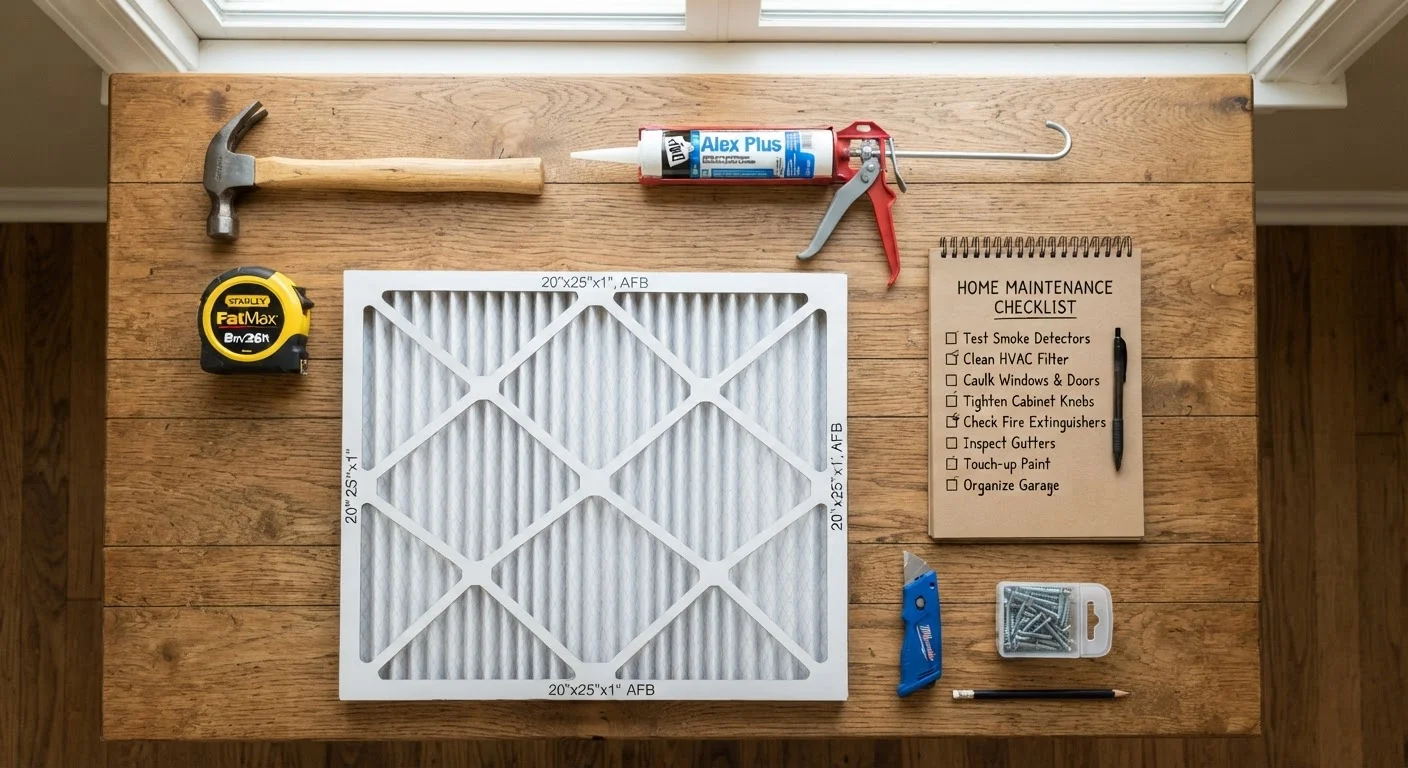
Photo: ArticleHood.com | Precision In Every Word editorial
Key Takeaways
- Seasonal maintenance protects your home's structure, systems, and air quality year-round.
- Most tasks on this checklist require basic tools and no licensed trade work.
- Skipping routine checks can allow small issues - like a clogged gutter - to cause major damage.
- Some tasks, such as electrical panel inspections or gas line checks, should always be done by a licensed professional.
- Keeping a written log of completed maintenance helps track warranties and spot recurring problems.
Why Seasonal Maintenance Matters
Your home is constantly affected by temperature swings, moisture, UV exposure, and everyday wear. A structured, season-by-season approach helps you address vulnerabilities before they escalate - a cracked caulk line in autumn, for example, can let moisture in all winter long.
This checklist is designed for typical US single-family homeowners. Condo or apartment residents may find many exterior tasks are handled by building management, but interior items still apply. If you're new to homeownership, the beginner's guide to home improvement is a useful starting point before diving into seasonal routines.
Work through each group as the relevant season approaches - you don't need to complete everything at once. A simple notebook or notes app to log what you've done and when is all the tracking system most households need.
Know When to Call a Professional
Tools You'll Need
Most seasonal maintenance tasks call for common household tools. Gather these before you start working through the checklist so you're not stopping mid-task.
Caulking gun and exterior-grade caulk
Used to seal gaps around windows, doors, and exterior penetrations to prevent moisture intrusion.
Ladder (6- or 8-foot)
Needed to safely access gutters, roof edges, and high exterior areas during inspection.
Garden hose with spray nozzle
Useful for testing drainage around the foundation and flushing gutters after clearing debris.
Screwdriver set
Used for tightening loose hardware, deck fasteners, and accessing filter compartments.
Replacement HVAC filters
Regular filter swaps are one of the most impactful things you can do for system efficiency and indoor air quality.
Flashlight or headlamp
Essential for inspecting dark spaces like crawlspaces, attics, and under-sink areas.
Weatherstripping tape or door sweep
Replaces worn seals on exterior doors to reduce drafts and improve energy efficiency.
Maintenance log notebook or app
Tracking what's been done and when helps you stay on schedule and document your home's upkeep history.
The Season-by-Season Checklist
The items below are grouped by season. Within each group, priority levels indicate what's non-negotiable (must), strongly advisable (should), or a worthwhile bonus (nice to have). Many of these tasks also directly affect the air you breathe indoors - for a closer look at how maintenance connects to air quality, see small upgrades that improve indoor air quality.
Spring
Summer
Fall
Winter
Don't Skip the Gutter Cleanouts
Keeping a Maintenance Log
After completing each round of seasonal tasks, record what you did, when you did it, and any issues you noticed but didn't resolve. This simple habit pays off in two ways: it helps you stay on schedule, and it gives you documentation that can be useful when selling your home or filing an insurance claim.
Think of your home's upkeep the same way you'd approach routine health or vehicle care - consistent, scheduled attention prevents the kind of deferred problems that become expensive. Speaking of which, if you apply the same mindset to your vehicle, our seasonal car maintenance guide walks through what changing weather means for your vehicle's key systems.
This checklist is for general informational purposes only. Tasks involving gas lines, structural elements, electrical panels, or other regulated systems should always be performed by a licensed, qualified professional. Verify local permit and code requirements before undertaking any significant home project.
The content on this site is for informational purposes only and is not a substitute for professional advice. Always consult a qualified professional for guidance specific to your situation.