
Car Maintenance

Seasonal Car Maintenance: Preparing Your Vehicle for Changing Conditions

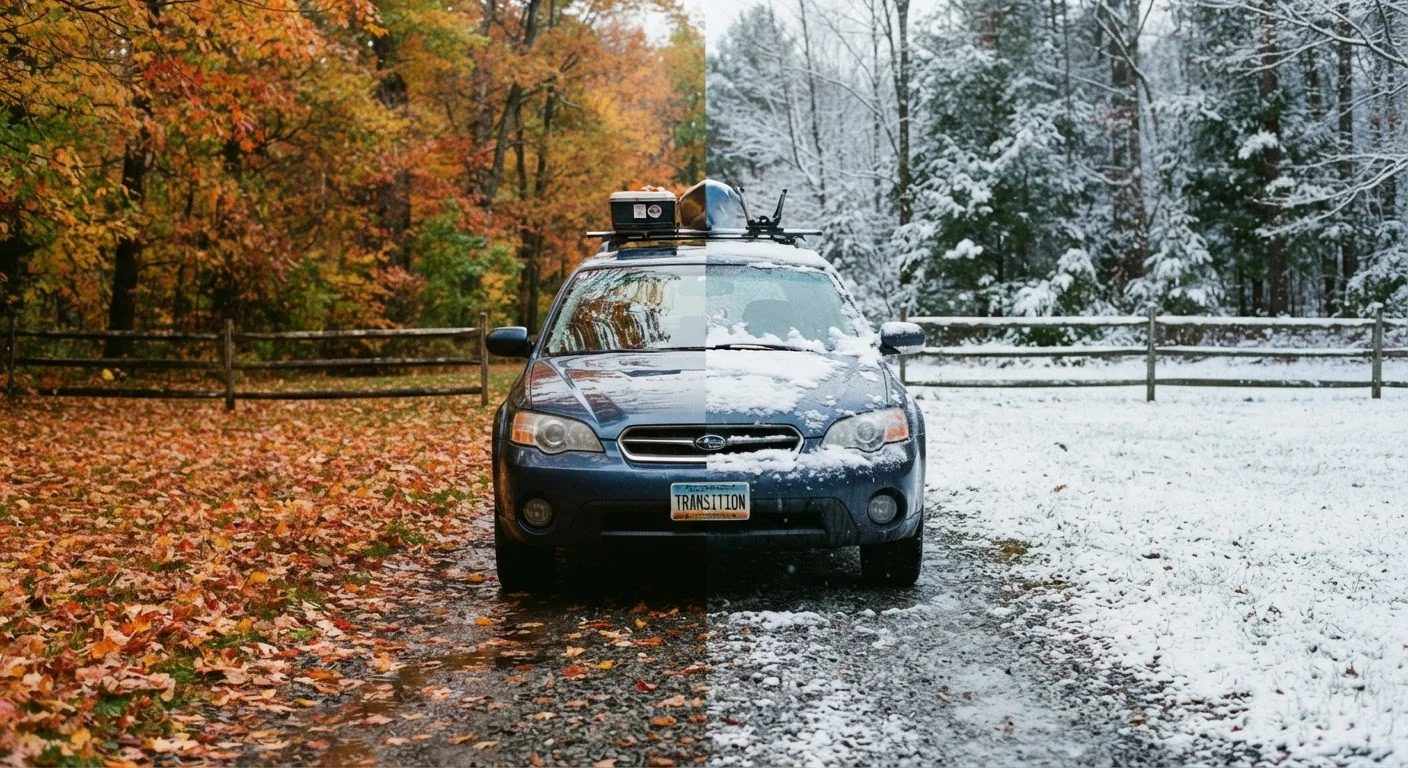
Seasonal Car Maintenance: Preparing Your Vehicle for Changing Conditions

Photo: ArticleHood.com | Precision In Every Word editorial

From summer heat to winter cold, here's what shifts in weather actually do to your vehicle and which checks matter most before each season.

Key Takeaways

  • Temperature swings cause tire pressure to drop or rise roughly 1 PSI for every 10°F change.
  • Battery performance degrades significantly in cold weather, making fall a smart time to test it.
  • Engine coolant and windshield washer fluid need season-appropriate formulations to function correctly.
  • Wiper blades, brakes, and lights all face extra demands during rain, ice, and low-visibility conditions.
  • Most seasonal checks are visual or straightforward enough that drivers can do them at home.

Why Seasons Put Extra Stress on Your Vehicle

Your car is engineered to operate across a range of conditions, but it isn't equally suited to every extreme without some attention from you. Heat accelerates fluid breakdown and can cause tire over-inflation. Cold thickens oil, strains batteries, and drops tire pressure. Rain and ice demand brakes, wipers, and tires that are actually up to the task.

The good news is that preparing for each season doesn't require a mechanic's training. Most of what matters comes down to knowing which systems are most affected by temperature and moisture — and checking them before conditions change, not after something goes wrong.

For a broader look at what your car needs throughout the year, see your vehicle's maintenance schedule explained.

1 PSI

Tire pressure lost per 10°F temperature drop

This relationship between temperature and tire pressure is well established in automotive engineering and explains why tires need seasonal attention.

~50%

Battery capacity reduction in extreme cold

According to battery industry data, a car battery can lose up to half its cranking power at 0°F compared to its rated capacity at 80°F.

Key Seasonal Checks Every Driver Should Make

The following practices cover the systems most reliably affected by seasonal shifts. Work through them as weather transitions approach — ideally a few weeks before conditions change rather than on the first cold morning or sweltering afternoon.

1

Check tire pressure whenever temperatures shift significantly

Tire pressure drops roughly 1 PSI for every 10°F decrease in temperature — meaning a tire properly inflated in September may be noticeably underinflated by November. Under-inflated tires wear unevenly, reduce fuel efficiency, and handle less predictably in wet or slippery conditions.
Example: Before the first cold snap of fall, check all four tires (including the spare) against the pressure listed on your driver's door jamb sticker — not the tire sidewall — and inflate or release air as needed. See why tire pressure changes more than you think for a full explanation.
2

Test your battery before cold weather arrives

Cold temperatures reduce a battery's ability to deliver starting power, and a battery that's borderline in October may fail entirely in January. Most auto parts stores will test your battery for free without an appointment.
Example: If your battery is three or more years old, have it load-tested in early fall. A battery showing reduced capacity is worth replacing before winter rather than after an unexpected no-start.
3

Switch to or verify the correct coolant mix for your climate

Engine coolant (antifreeze) prevents your cooling system from freezing in winter and overheating in summer, but only when mixed at the right concentration. A 50/50 mix of coolant and distilled water handles most U.S. climates, though colder regions may need a higher antifreeze ratio.
Example: Use an inexpensive coolant tester (available at any auto parts store) to check your current mix before winter. If the freeze protection doesn't reach at least -30°F for a cold climate, top up with fresh coolant accordingly.
4

Inspect wiper blades before rainy or winter seasons

Wiper blades degrade from UV exposure and temperature cycling. Streaking, skipping, or squeaking in dry conditions means they won't clear rain or snow reliably when you actually need them.
Example: Lift each blade off the windshield and run your finger along the rubber edge — cracks or stiff sections mean replacement is overdue. Standard blades are typically a straightforward DIY swap that takes a few minutes.
5

Assess brake condition before wet and winter driving

Brakes that are adequate in dry summer conditions may not provide enough stopping force on rain-slicked or icy roads. Worn pads or rotors make an already challenging situation more dangerous.
Example: Listen for squealing or grinding when stopping, and note whether the pedal feels different than usual. Our article on brake wear and warning signs explains what different symptoms mean and when to seek a professional inspection.
6

Use winter-rated windshield washer fluid in freezing climates

Standard washer fluid can freeze in the reservoir or on your windshield in below-freezing temperatures, smearing vision rather than clearing it. Winter-rated fluid remains liquid well below 32°F.
Example: Switch the washer reservoir to a winter-rated fluid formula before your first freeze. If you live in a mild climate, a standard all-season formula is typically fine year-round.

Quick Actions You Can Take Right Now

You don't need to wait for a full seasonal service appointment to address the most important items. Several of these checks take under ten minutes and require nothing more than a flashlight and your owner's manual.

high Check all four tire pressures today using a basic gauge — it takes less than five minutes and costs nothing if you have a gauge already.
high Look at your wiper blades by turning them on during a dry windshield rinse cycle — streaking or skipping means it's time to replace them before rain season.
medium Locate your owner's manual and confirm the recommended oil viscosity for your climate — some vehicles specify different weights for extreme cold.
medium Check that all exterior lights — headlights, taillights, and brake lights — are working, since shorter days and winter conditions mean you'll depend on them far more.

If you're planning a trip during a seasonal transition, pair these checks with our pre-long-journey vehicle checklist to make sure nothing slips through the cracks.

Driving Safely Once Conditions Change

Maintenance prepares your vehicle — but your driving behavior matters just as much once weather shifts. Rain reduces stopping distance. Ice can multiply it dramatically. Fog cuts visibility to a fraction of what you're used to. A well-maintained car still needs a driver who adjusts speed and following distance to match actual road conditions.

Our guide on driving in rain, fog, and ice walks through what each type of bad weather actually demands behind the wheel. And for a quick check before you head out on any given day, see what to inspect before every journey.

Keep a Simple Seasonal Checklist in Your Glovebox

Writing down four or five key checks — tires, battery, wipers, lights, fluids — and revisiting that list each spring and fall takes less time than a single service appointment. It also helps you catch changes before they become failures. A brief note of when you last checked each item is even more useful than memory alone.

Seasonal readiness is part of responsible vehicle ownership. A car that's properly maintained for the conditions it's actually driving in is safer, more efficient, and less likely to leave you stranded.

Cars & Driving Editorial Team

ArticleHood.com | Precision In Every Word

Cars & Driving Editorial Team is the collective byline for our editorial team and contributor network. Articles published under this byline or an editorial pen name are researched, written, and reviewed according to our editorial standards for clarity, consistency, and independence before publication.

Car MaintenanceSafe DrivingVehicle Ownership
View author profile

The content on this site is for informational purposes only and is not a substitute for professional advice. Always consult a qualified professional for guidance specific to your situation.